
七
 | ||||||||
| ||||||||
| ||||||||

Translingual edit
| Stroke order | |||
|---|---|---|---|

| |||
| Stroke order | |||
|---|---|---|---|

| |||
Han character edit
七 (Kangxi radical 1, 一+1, 2 strokes, cangjie input 十山 (JU), four-corner 40710, composition ⿻㇀乚(GHJKV) or ⿻㇀㇄(T))
Derived characters edit
Descendants edit
References edit
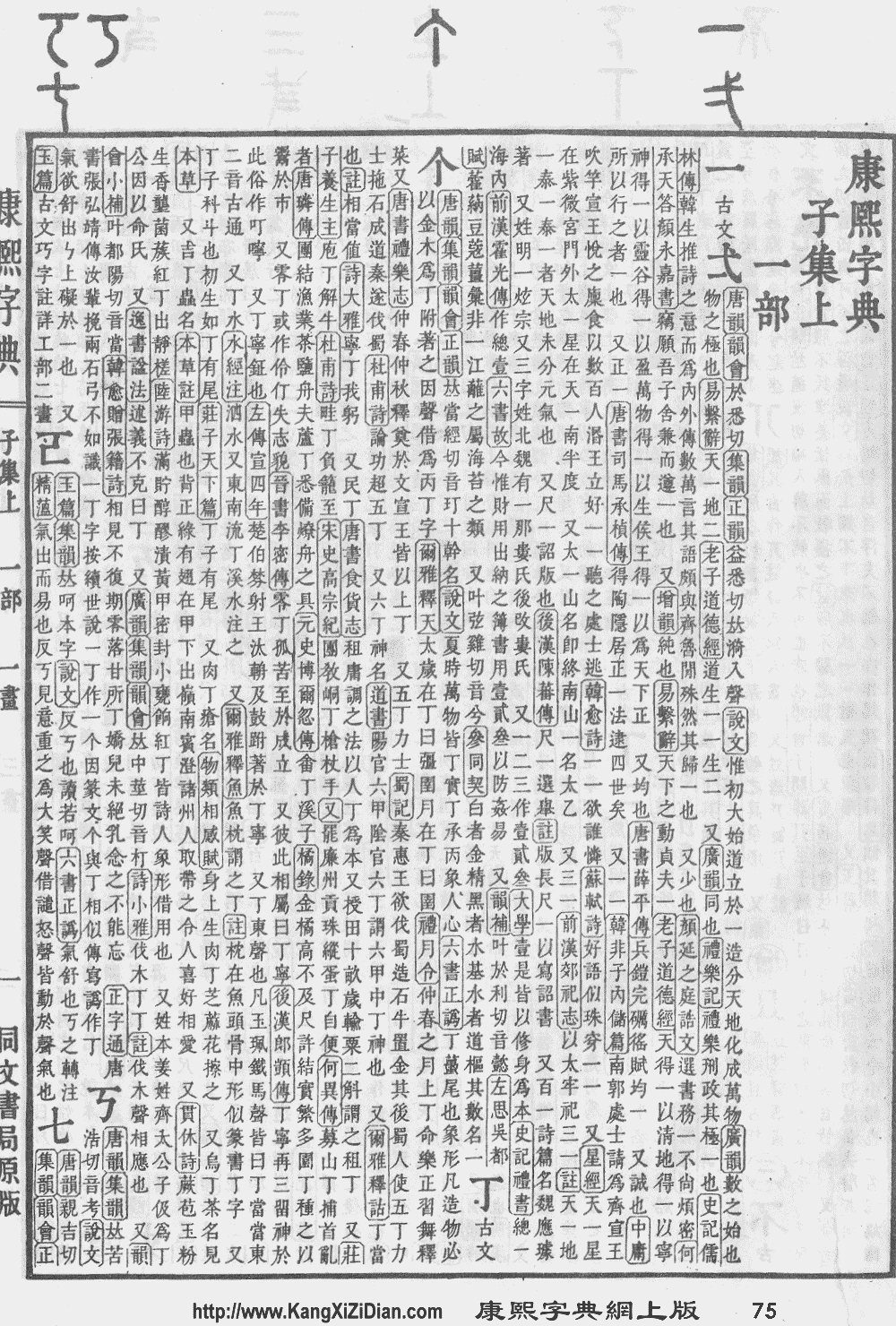
- Kangxi Dictionary: page 75, character 7
- Dai Kanwa Jiten: character 6
- Hanyu Da Zidian (first edition): volume 1, page 3, character 3
- Unihan data for U+4E03
Chinese edit
| trad. | 七 | |
|---|---|---|
| simp. # | 七 | |
| alternative forms | 柒 financial 𠀁 ancient 桼 financial; ancient | |
Glyph origin edit
| Historical forms of the character 七 | |||||||||||||||||||||||||||||||||||||
|---|---|---|---|---|---|---|---|---|---|---|---|---|---|---|---|---|---|---|---|---|---|---|---|---|---|---|---|---|---|---|---|---|---|---|---|---|---|
| Shang | Western Zhou | Spring and Autumn | Warring States | Shuowen Jiezi (compiled in Han) | Liushutong (compiled in Ming) | Libian (compiled in Qing) | Kangxi Dictionary (compiled in Qing) | ||||||||||||||||||||||||||||||
| Oracle bone script | Bronze inscriptions | Bronze inscriptions | Bronze inscriptions | Chu slip and silk script | Qin slip script | Small seal script | Transcribed ancient scripts | Clerical script | Ming typeface | ||||||||||||||||||||||||||||

|

|

|

|

|

|

|

|

|

| ||||||||||||||||||||||||||||
| |||||||||||||||||||||||||||||||||||||
|
References:
Mostly from Richard Sears' Chinese Etymology site (authorisation),
| |||||||||||||||||||||||||||||||||||||


Pictogram (象形) – a vertical stroke and a horizontal stroke bisecting each other – original character of 切 (OC *sn̥ʰiːds, *sn̥ʰiːd, “to cut”).
The top-most horizontal stroke is done from left to right. The vertical stroke and bottom-most horizontal stroke are done as one stroke, from top-left to bottom-right.
Etymology 1 edit
From Proto-Sino-Tibetan *s-ni-s (“seven”).
Pronunciation edit
Definitions edit
七
- seven
- (printing) agate: The size of type between 小六 (xiǎoliù, “little 6”) and 八 (bā, “8”), standardized as 5½ point.
See also edit
- 拐 (guǎi) (in radio communications)
| Chinese numbers | |||||||||||||||||
|---|---|---|---|---|---|---|---|---|---|---|---|---|---|---|---|---|---|
| 0 | 1 | 2 | 3 | 4 | 5 | 6 | 7 | 8 | 9 | 10 | 102 | 103 | 104 | 106 | 108 | 1012 | |
| Normal (小寫/小写) |
〇, 零, 空 | 一, 蜀 | 二, 兩/两 | 三 | 四 | 五 | 六 | 七 | 八 | 九 | 十 | 百 | 千 | 萬/万, 十千 (Malaysia, Singapore) |
百萬/百万, 桶(Philippines), 面桶 (Philippines) |
億/亿 | 兆 (Taiwan) 萬億/万亿 (Mainland China) |
| Financial (大寫/大写) |
零 | 壹 | 貳/贰 | 參/叁 | 肆 | 伍 | 陸/陆 | 柒 | 捌 | 玖 | 拾 | 佰 | 仟 | ||||
Compounds edit
- 一七
- 一七令
- 七一
- 七一二所 (Qīyī'èrsuǒ)
- 七七
- 七七事變/七七事变 (Qīqī Shìbiàn)
- 七七八八 (qīqībābā)
- 七七日
- 七上八下 (qīshàngbāxià)
- 七上八落
- 七不堪
- 七世子孫/七世子孙
- 七九
- 七了八當/七了八当
- 七事 (qīshì)
- 七事件
- 七事兒/七事儿
- 七事子
- 七事家
- 七五三
- 七亡
- 七人
- 七代先靈/七代先灵
- 七仙女
- 七伐
- 七件事
- 七件兒/七件儿
- 七佛
- 七佐
- 七俠五義/七侠五义
- 七個八個/七个八个
- 七停八當/七停八当
- 七傷/七伤
- 七元
- 七八
- 七八下裡/七八下里
- 七八下裏/七八下里
- 七八成
- 七公
- 七兵
- 七典
- 七出
- 七十 (qīshí)
- 七十二 (qīshí'èr)
- 七十二候 (Qīshí'èrhòu)
- 七十二墳/七十二坟
- 七十二子 (qīshí'èr zǐ)
- 七十二帝
- 七十二沽
- 七十二營/七十二营
- 七十二行
- 七十二變/七十二变
- 七十二賢/七十二贤
- 七十二鑽/七十二钻
- 七十子 (qīshízǐ)
- 七十瓦上霜,八十不稀奇 (qīshí wǎ shàng shuāng, bāshí bù xīqí)
- 七十說/七十说
- 七十鑽/七十钻
- 七十鳥/七十鸟
- 七升之布
- 七占
- 七卿
- 七去
- 七友
- 七口八嘴
- 七古
- 七命
- 七味葡萄散 (qīwèi pútáo sǎn)
- 七哀
- 七品琴堂
- 七品茶
- 七品黃堂/七品黄堂
- 七商
- 七單/七单
- 七嘴八張/七嘴八张
- 七嘴八舌 (qīzuǐbāshé)
- 七國/七国 (Qīguó)
- 七國之亂/七国之乱
- 七地
- 七均
- 七垢
- 七堵 (Qīdǔ)
- 七夕 (Qīxī)
- 七夕紅/七夕红
- 七夕錢/七夕钱
- 七夕鍼/七夕针
- 七大
- 七大八
- 七大八小
- 七大夫
- 七大家
- 七大死罪
- 七大洲
- 七奔
- 七套 (Qītào)
- 七女池
- 七始
- 七姊妹
- 七姑子
- 七姑店 (Qīgūdiàn)
- 七娘媽/七娘妈
- 七子
- 七子八婿
- 七子均養/七子均养
- 七子鏡/七子镜
- 七孔 (qīkǒng)
- 七孔流血
- 七孔生煙/七孔生烟
- 七孔針/七孔针
- 七孔鍼/七孔针
- 七字
- 七字法
- 七字譜/七字谱
- 七宗罪 (qī zōng zuì)
- 七宮/七宫
- 七家茶
- 七寶/七宝 (qībǎo)
- 七寶團圞/七宝团𪢮
- 七寶樓臺/七宝楼台
- 七寶池/七宝池 (qībǎochí)
- 七寶粥/七宝粥
- 七寶羹/七宝羹
- 七寶臺/七宝台
- 七寶花/七宝花
- 七寶茶/七宝茶
- 七寶莊嚴/七宝庄严
- 七寶蓮池/七宝莲池
- 七寶車/七宝车
- 七寶輦/七宝辇
- 七寶輿/七宝舆
- 七寶鞭/七宝鞭
- 七寶高車/七宝高车
- 七尺
- 七尺軀/七尺躯
- 七屬/七属
- 七州
- 七巧圖/七巧图
- 七巧板 (qīqiǎobǎn)
- 七市
- 七年之癢/七年之痒 (qīniánzhīyǎng)
- 七廟/七庙
- 七廟略/七庙略
- 七弦
- 七弦琴
- 七張八嘴/七张八嘴
- 七彎八拐/七弯八拐
- 七彩 (qīcǎi)
- 七彩繽紛/七彩缤纷
- 七律 (qīlǜ)
- 七德
- 七德舞
- 七志
- 七思八想
- 七情 (qīqíng)
- 七情六慾/七情六欲
- 七情六欲
- 七慌八亂/七慌八乱
- 七戎
- 七成八脈/七成八脉
- 七手八腳/七手八脚 (qīshǒubājiǎo)
- 七打八
- 七托八轉/七托八转
- 七折八扣
- 七扭八歪
- 七拉八扯
- 七拖八欠
- 七拼八湊/七拼八凑
- 七拱八翹/七拱八翘
- 七排
- 七推八阻
- 七搭八
- 七損八傷/七损八伤
- 七搭八扯
- 七搭八搭
- 七損八益/七损八益
- 七撈八攘/七捞八攘
- 七擒七縱/七擒七纵 (qīqínqīzòng)
- 七擔八挪/七担八挪
- 七支
- 七支八搭
- 七政
- 七教
- 七斷八續/七断八续
- 七方 (Qīfāng)
- 七方十齊/七方十齐
- 七族
- 七日來復/七日来复
- 七旦
- 七星 (Qīxīng)
- 七星冠
- 七星劍/七星剑
- 七星壇/七星坛
- 七星山
- 七星岩 (Qīxīngyán)
- 七星巖/七星岩
- 七星床
- 七星板
- 七星燈/七星灯
- 七星瓢蟲/七星瓢虫 (qīxīng piáochóng)
- 七星臺/七星台 (Qīxīngtái)
- 七星草
- 七星車/七星车
- 七景
- 七曆/七历
- 七曜 (qīyào)
- 七曜曆/七曜历
- 七書/七书
- 七月 (qīyuè)
- 七月七 (Qīyuèqī)
- 七月半 (qīyuèbàn)
- 七月革命
- 七札
- 七板子
- 七松家
- 七林林
- 七校
- 七條/七条
- 七條弦/七条弦
- 七條絲/七条丝
- 七棄/七弃
- 七楞八瓣
- 七槃
- 七横八豎
- 七橫八縱/七横八纵
- 七橫八豎/七横八竖
- 七正
- 七步
- 七步之才
- 七步八叉
- 七步奇才
- 七步成詩/七步成诗
- 七步成章
- 七歪八倒
- 七歪八扭
- 七死
- 七死七生
- 七死八活 (qīsǐbāhuó)
- 七殘八敗/七残八败
- 七殺/七杀
- 七注
- 七泉
- 七海
- 七液
- 七滅諍法/七灭诤法
- 七滿八平/七满八平
- 七澤/七泽
- 七灣八扭/七湾八扭
- 七灣八拐/七湾八拐
- 七煞
- 七燿/七耀
- 七爺八爺/七爷八爷 (Qīyé Bāyé)
- 七牢
- 七獻/七献
- 七王
- 七珍
- 七生七死
- 七男八婿
- 七留七力
- 七留七林
- 七略
- 七病八倒
- 七病八痛
- 七瘡八孔/七疮八孔
- 七發/七发 (Qīfā)
- 七百
- 七盤/七盘
- 七相五公
- 七真
- 七真堂
- 七眾/七众
- 七短八長/七短八长
- 七破八補/七破八补
- 七碗
- 七碗茶
- 七祀
- 七祖
- 七禽
- 七科
- 七科謫/七科谪
- 七科適/七科适
- 七穆
- 七穿八洞
- 七穿八爛/七穿八烂
- 七窩八代/七窝八代
- 七竅/七窍 (qīqiào)
- 七竅冒火/七窍冒火
- 七竅玲瓏/七窍玲珑
- 七竅生煙/七窍生烟
- 七端八正
- 七符六詔/七符六诏
- 七等
- 七策五成
- 七筴/七策
- 七節鞭/七节鞭
- 七篇
- 七精
- 七級浮圖/七级浮图
- 七級浮屠/七级浮屠
- 七級芙蓉/七级芙蓉
- 七絃/七弦
- 七絃琴/七弦琴
- 七絕/七绝 (qījué)
- 七絲/七丝
- 七絲琴/七丝琴
- 七經/七经
- 七緯/七纬
- 七縱/七纵
- 七縱七擒/七纵七擒
- 七縱七禽/七纵七禽
- 七縱八橫/七纵八横
- 七縱八跳/七纵八跳
- 七缺
- 七美 (Qīměi)
- 七美德
- 七羽
- 七耀
- 七老八倒
- 七老八十 (qīlǎobāshí)
- 七老八老
- 七老會/七老会
- 七聖/七圣
- 七聖刀/七圣刀
- 七聲/七声 (qīshēng)
- 七股 (Qīgǔ)
- 七肥八瘦
- 七腳八手/七脚八手
- 七臣
- 七舉時節/七举时节
- 七舌八嘴
- 七舍
- 七色 (qīsè)
- 七色板
- 七萃
- 七菹
- 七菱八落
- 七葉/七叶
- 七葷八素/七荤八素
- 七葉樹/七叶树
- 七葉貂/七叶貂
- 七號公園/七号公园
- 七行俱下
- 七術/七术
- 七衝門/七冲门
- 七襄
- 七覆
- 七覺/七觉
- 七覺分/七觉分
- 七觀/七观
- 七觀帖/七观帖
- 七角
- 七角八角
- 七言 (qīyán)
- 七言八語/七言八语
- 七言律
- 七言律詩/七言律诗 (qīyán lǜshī)
- 七言詩/七言诗 (qīyánshī)
- 七言體/七言体
- 七誥/七诰
- 七調/七调 (qīdiào)
- 七識/七识
- 七貞九烈/七贞九烈
- 七貧七富/七贫七富
- 七貧八富/七贫八富
- 七貴/七贵
- 七貴三公/七贵三公
- 七貴五侯/七贵五侯
- 七賢/七贤
- 七賦/七赋
- 七起
- 七起八落
- 七趣
- 七足八手
- 七跌八撞
- 七軍/七军
- 七輔/七辅
- 七輦/七辇
- 七輪扇/七轮扇
- 七輪風/七轮风
- 七輿/七舆
- 七輿大夫/七舆大夫
- 七辭/七辞
- 七辯/七辩
- 七辰
- 七返丹
- 七返九還/七返九还
- 七返還丹/七返还丹
- 七返靈砂/七返灵砂
- 七通八達/七通八达
- 七遷/七迁
- 七郊
- 七都 (Qīdū)
- 七醢
- 七采
- 七里 (Qīlǐ)
- 七里坪 (Qīlǐpíng)
- 七里塘 (Qīlǐtáng)
- 七里塔 (Qīlǐtǎ)
- 七里岩 (Qīlǐyán)
- 七里瀨
- 七里香 (qīlǐxiāng)
- 七重圍子/七重围子
- 七錄/七录
- 七長八短/七长八短
- 七開八得/七开八得
- 七閩/七闽 (Qīmǐn)
- 七阻八擋/七阻八挡
- 七除八扣 (qīchú-bākòu)
- 七陵
- 七隩
- 七雄
- 七雜八色/七杂八色
- 七零九 (Qīlíngjiǔ)
- 七零九所 (Qīlíngjiǔsuǒ)
- 七零八散
- 七零八碎
- 七零八落 (qīlíngbāluò)
- 七青八黃/七青八黄
- 七青八黄
- 七面體/七面体
- 七音 (qīyīn)
- 七項運動/七项运动
- 七顛八倒/七颠八倒
- 七首八腳/七首八脚
- 七香
- 七香寶輦/七香宝辇
- 七香湯/七香汤
- 七香牋/七香笺
- 七香車/七香车
- 七香輪/七香轮
- 七騶/七驺
- 七體/七体
- 七高八低
- 七魄
- 七魄三魂
- 七魄悠悠
- 三七 (sānqī)
- 三七仔 (sānqīzǐ)
- 三七兒/三七儿
- 三七分
- 三七分開/三七分开
- 三七開/三七开 (sānqīkāi)
- 三七開定論/三七开定论 (sānqīkāi dìnglùn)
- 三七齋/三七斋
- 三師七僧/三师七僧
- 三師七證/三师七证
- 三徵七辟
- 三毛七孔
- 三江七澤/三江七泽
- 三魂七魄 (sānhúnqīpò)
- 不堪七
- 九七大限
- 九七期限
- 九宗七祖
- 亂七八糟/乱七八糟 (luànqībāzāo)
- 亂七八遭/乱七八遭
- 二七 (Èrqī)
- 二七齋/二七斋
- 五七
- 五侯七貴/五侯七贵
- 五六六七
- 五勞七傷/五劳七伤 (wǔláoqīshāng)
- 五家七宗
- 五旦七調/五旦七调
- 五祖七真
- 亨利七世
- 佛七
- 伯倫七輩/伯伦七辈
- 做七 (zuòqī)
- 元七
- 兩七/两七
- 八子七婿
- 八怪七喇
- 六家七宗
- 初七
- 前七子
- 北七真
- 北斗七星 (Běidǒu Qīxīng)
- 十七 (shíqī)
- 十七八
- 十七史
- 十七字詩/十七字诗
- 十七帖
- 十七弟子
- 參宿七/参宿七 (Shēnxiùqī)
- 問七問八/问七问八
- 喊七叫八
- 嘎七馬八/嘎七马八
- 嘉靖七子
- 四七
- 土衛七/土卫七 (Tǔwèiqī)
- 壘七修齋/垒七修斋
- 壘七追齋/垒七追斋
- 夾七夾八/夹七夹八
- 建安七子
- 後七子/后七子
- 懺七/忏七
- 戰國七雄/战国七雄 (Zhànguó Qīxióng)
- 才高七步
- 打七
- 打禪七/打禅七
- 搞七捻三
- 搭七搭八
- 攪七念三/搅七念三
- 斷七/断七
- 昂藏七尺
- 柳七
- 橫七豎八/横七竖八 (héngqīshùbā)
- 歪七扭八
- 歪七竪八/歪七竖八 (wāiqīshùbā)
- 歪七豎八/歪七竖八 (wāiqīshùbā)
- 殷七七
- 汙七八糟/污七八糟
- 江南七子
- 滑七擦
- 炒炒七七
- 烏七八糟/乌七八糟 (wūqībāzāo)
- 爛七八糟/烂七八糟
- 玍七馬八/玍七马八
- 理七
- 田七 (tiánqī)
- 白賊七/白贼七
- 瞎七搭八
- 瞎七瞎八
- 祭七
- 禪七/禅七
- 禪宗七祖/禅宗七祖
- 秦七
- 竹林七子
- 竹林七賢/竹林七贤 (Zhúlín Qīxián)
- 第七 (dì-qī)
- 第七艦隊/第七舰队
- 管他三七二十一 (guǎn tā sān qī èrshíyī)
- 累七
- 累七齋/累七斋
- 緊七慢八/紧七慢八
- 胡七亂八/胡七乱八
- 胡七雜八/胡七杂八
- 西京七族
- 連七/连七
- 逢七
- 連七紙/连七纸
- 過七/过七
- 鄴中七子/邺中七子
- 鋼七郎當/钢七郎当
- 長七短八/长七短八
- 開七/开七
- 閒聒七/闲聒七
- 開門七件事/开门七件事 (kāimén qī jiàn shì)
- 雙七/双七
- 雜七夾八/杂七夹八
- 雜七雜八/杂七杂八
- 雜七麻八/杂七麻八
- 雲笈七籤/云笈七签
- 零七八碎
- 零七碎八
- 零零七
- 露七露八
- 非七真
- 頭七/头七 (tóuqī)
- 首七
- 馬七馬八/马七马八
- 鳩七吒/鸠七吒
- 齋七/斋七
Descendants edit
Others:
References edit
- “七”, in 漢語多功能字庫 (Multi-function Chinese Character Database)[1], 香港中文大學 (the Chinese University of Hong Kong), 2014–
- Dictionary of Chinese Character Variants (教育部異體字字典), A00003
- “Entry #47”, in 臺灣閩南語常用詞辭典 (overall work in Mandarin and Hokkien), Ministry of Education, R.O.C., 2023.
Etymology 2 edit
| For pronunciation and definitions of 七 – see 𨳍 (“penis; etc.”). (This character is a variant form of 𨳍). |
Japanese edit
| < 6 | 7 | 8 > |
|---|---|---|
| Cardinal : 七 | ||
Kanji edit
Readings edit
- Go-on: しち (shichi, Jōyō)
- Kan-on: しつ (shitsu)
- Kun: なな (nana, 七, Jōyō); ななつ (nanatsu, 七つ, Jōyō); なの (nano, 七, Jōyō †)
- Nanori: さとる (satoru); し (shi); しっ (shi'); な (na); ひち (hichi)
Compounds edit
- 七回忌 (shichikaiki)
- 七角形 (shichikakkei, “heptagon”)
- 七賢 (Shichiken)
- 七弦琴 (shichigenkin), 七絃琴 (shichigenkin)
- 七言 (shichigon)
- 七生 (shichishō)
- 七星 (Shichisei, “Ursa Major, the Plough”)
- 七夕 (shichiseki)
- 七難 (shichinan)
- 七福神 (Shichi Fukujin)
- 七宝 (shippō, “the seven treasures (in Buddhism)”)
- 七面体 (shichimentai)
- 七曜 (shichiyō)
- 七輪 (shichirin), 七厘 (shichirin)
- 七夕 (Tanabata)
- 七月 (fuzuki), 七月 (fumizuki)
Alternative forms edit
Etymology 1 edit
| Kanji in this term |
|---|
| 七 |
| なな Grade: 1 |
| kun’yomi |
From Old Japanese 七 (nana), ultimately from Proto-Japonic *nana.
Pronunciation edit
Usage notes edit
- In modern Japanese, Japonic なな (nana) is more common than Sinitic しち (shichi) (see Etymology 2) outside fixed compounds, which is similar to 四 (yo) but different from other numerals. The reason may be a superstitious connection to 死 (shi, “death”), or simply avoiding confusion with the similar sounding 一 (ichi) and 四 (shi).
Numeral edit
Derived terms edit
- 七色 (nanairo, “seven prismatic colors”)
- 七重 (nanae)
- 七日 (nanoka)
- 七竈 (nanakamado)
- 七草 (nanakusa)
- 七子 (nanako)
- 七転び八起き (nana korobi ya oki)
- 七光 (nanahikari)
- 七不思議 (nanafushigi)
- 七夜 (nanayo)
Noun edit
Derived terms edit
Proper noun edit
- a surname
Etymology 2 edit
| Kanji in this term |
|---|
| 七 |
| しち Grade: 1 |
| goon |
From Middle Chinese 七 (MC tshit).
Pronunciation edit
Numeral edit
Derived terms edit
- 七七 (shichishichi)
- 七月 (shichigatsu, “July”)
- 七五三 (Shichi-Go-San)
- 七五調 (shichigochō)
- 七三 (shichisan)
- 七子 (shichishi)
- 七七日 (shichishichinichi)
- 七珍 (shitchin)
- 七転八起 (shichiten hakki), 七顛八起 (shichiten hakki)
- 七転八倒 (shichitenbattō), 七顛八倒 (shichitenbattō)
- 七道 (Shichidō)
- 七堂伽藍 (shichidō garan)
- 七並べ (shichinarabe, “sevens”)
- 七味 (shichimi)
- 七面鳥 (shichimenchō, “turkey”, literally “seven-faced bird”)
- 七曜 (shichiyō)
- 五七 (go-shichi, “five-seven”)
Etymology 3 edit
| Kanji in this term |
|---|
| 七 |
| な Grade: 1 |
| irregular |
Shortening from nana above.
Pronunciation edit
Numeral edit
- (colloquial) seven, 7
Etymology 4 edit
| Kanji in this term |
|---|
| 七 |
| ちー Grade: 1 |
| irregular |
Borrowed from Mandarin 七 (qī).
Pronunciation edit
Numeral edit
Derived terms edit
Coordinate terms edit
| Japanese numbers | |||||||||||
|---|---|---|---|---|---|---|---|---|---|---|---|
| 0 | 1 | 2 | 3 | 4 | 5 | 6 | 7 | 8 | 9 | 10 | |
| Regular | 零 (rei) 零 (zero) |
一 (ichi) | 二 (ni) | 三 (san) | 四 (yon) 四 (shi) |
五 (go) | 六 (roku) | 七 (nana) 七 (shichi) |
八 (hachi) | 九 (kyū) 九 (ku) |
十 (jū) |
| Formal | 壱 (ichi) | 弐 (ni) | 参 (san) | 拾 (jū) | |||||||
| 90 | 100 | 300 | 600 | 800 | 1,000 | 3,000 | 8,000 | 10,000 | 100,000,000 | ||
| Regular | 九十 (kyūjū) | 百 (hyaku) 一百 (ippyaku) |
三百 (sanbyaku) | 六百 (roppyaku) | 八百 (happyaku) | 千 (sen) 一千 (issen) |
三千 (sanzen) | 八千 (hassen) | 一万 (ichiman) | 一億 (ichioku) | |
| Formal | 一萬 (ichiman) | ||||||||||
| 1012 | 8×10¹² | 1013 | 1016 | 6×10¹⁶ | 8×10¹⁶ | 1017 | 1018 | ||||
| 一兆 (itchō) | 八兆 (hatchō) | 十兆 (jutchō) | 一京 (ikkei) | 六京 (rokkei) | 八京 (hakkei) | 十京 (jukkei) | 百京 (hyakkei) | ||||
References edit
- ↑ 1.0 1.1 1.2 1.3 Matsumura, Akira, editor (2006), 大辞林 (in Japanese), Third edition, Tōkyō: Sanseidō, →ISBN
- ^ NHK Broadcasting Culture Research Institute, editor (1998), NHK日本語発音アクセント辞典 [NHK Japanese Pronunciation Accent Dictionary] (in Japanese), Tōkyō: NHK Publishing, →ISBN
Korean edit
Etymology edit
From Middle Chinese 七 (MC tshit).
| Historical readings |
|---|
|
| 70 | ||
| ← 6 | 7 | 8 → |
|---|---|---|
| Native isol.: 일곱 (ilgop) Native attr.: 일곱 (ilgop) Sino-Korean: 칠 (chil) Hanja: 七 Ordinal: 일곱째 (ilgopjjae) | ||
Pronunciation edit
- (SK Standard/Seoul) IPA(key): [t͡ɕʰiɭ]
- Phonetic hangul: [칠]
Hanja edit

Compounds edit
References edit
- 국제퇴계학회 대구경북지부 (國際退溪學會 大邱慶北支部) (2007). Digital Hanja Dictionary, 전자사전/電子字典. [2]
Old Japanese edit
| < 6 | 7 | 8 > |
|---|---|---|
| Cardinal : 七 Ordinal : 七つ | ||
Etymology edit
From Proto-Japonic *nana.
Numeral edit
七 (nana) (kana なな)
- seven, 7
- 711–712, Kojiki, (poem 15):
- 夜麻登能多加佐士怒袁那那由久袁登賣杼母多禮袁志摩加牟 [Man'yōgana]
- 大和の高佐士野をなな行くをとめども誰をし枕かむ [Modern spelling]
- Yamato no Takasajino o nana yuku otome-domo tare o shi makamu
- (please add an English translation of this example)
Derived terms edit
- 七の賢しき人 (nana no sakasiki pito)
Descendants edit
- Japanese: 七 (nana)
References edit
- 古事記歌謡 (Kojiki kayō)
Vietnamese edit
Han character edit
七: Hán Việt readings: thất (
七: Nôm readings: thất[2], sất[1]
- This term needs a translation to English. Please help out and add a translation, then remove the text
{{rfdef}}.