
何
| ||||||||
Translingual edit
| Stroke order | |||
|---|---|---|---|

| |||
| Stroke order | |||
|---|---|---|---|

| |||
Han character edit
何 (Kangxi radical 9, 人+5, 7 strokes, cangjie input 人一弓口 (OMNR), four-corner 21220, composition ⿰亻可)
Derived characters edit
References edit
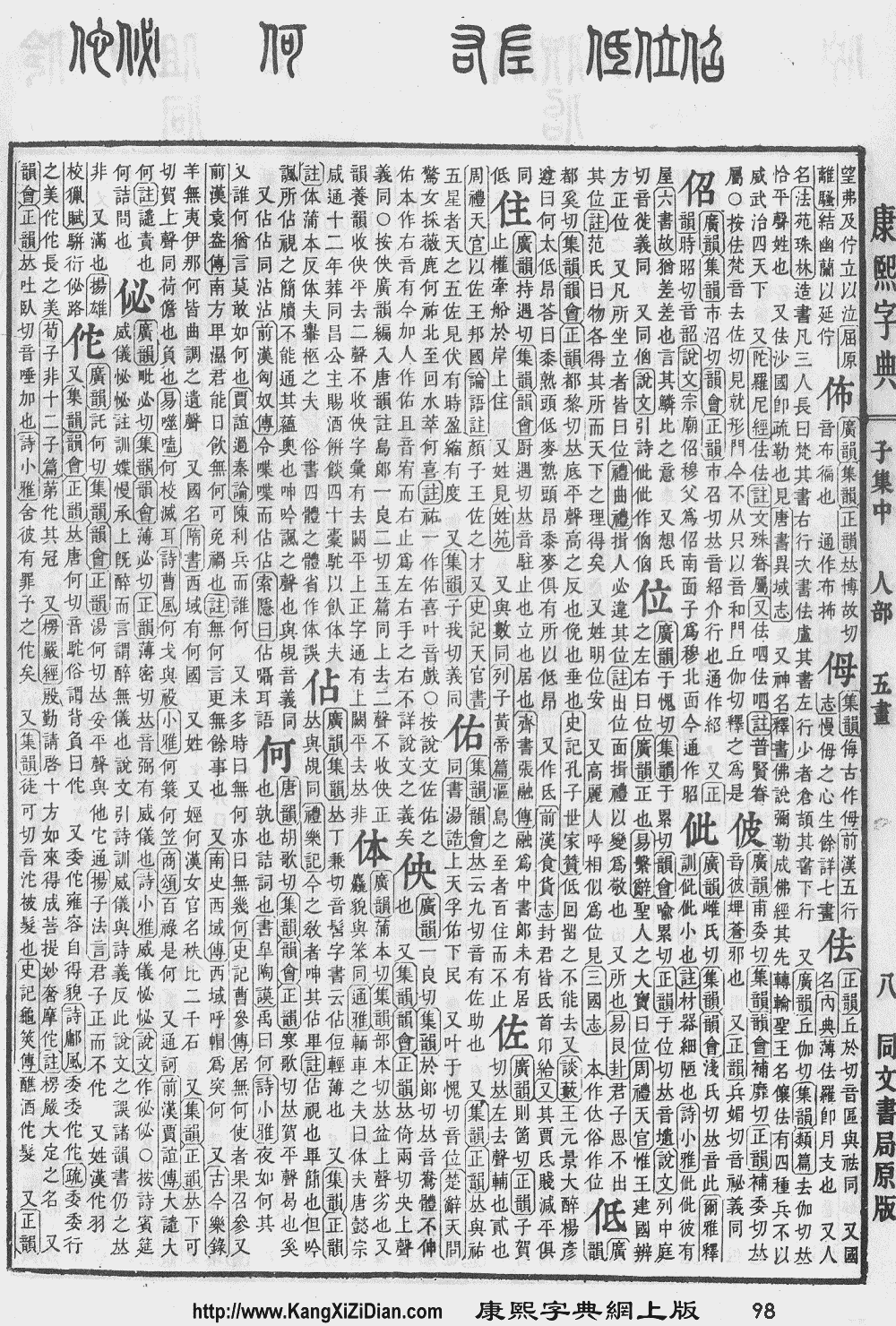
- Kangxi Dictionary: page 98, character 15
- Dai Kanwa Jiten: character 511
- Dae Jaweon: page 208, character 5
- Hanyu Da Zidian (first edition): volume 1, page 130, character 4
- Unihan data for U+4F55
Chinese edit
| simp. and trad. |
何 | |
|---|---|---|
| alternative forms | ⿰彳可 | |
Glyph origin edit
| Historical forms of the character 何 | |||||||||||||||||||||||||||||||||||||||||||||||||||||||||||||||||||||
|---|---|---|---|---|---|---|---|---|---|---|---|---|---|---|---|---|---|---|---|---|---|---|---|---|---|---|---|---|---|---|---|---|---|---|---|---|---|---|---|---|---|---|---|---|---|---|---|---|---|---|---|---|---|---|---|---|---|---|---|---|---|---|---|---|---|---|---|---|---|
| Shang | Western Zhou | Shuowen Jiezi (compiled in Han) | Liushutong (compiled in Ming) | ||||||||||||||||||||||||||||||||||||||||||||||||||||||||||||||||||
| Oracle bone script | Bronze inscriptions | Small seal script | Transcribed ancient scripts | ||||||||||||||||||||||||||||||||||||||||||||||||||||||||||||||||||

|

|

|

| ||||||||||||||||||||||||||||||||||||||||||||||||||||||||||||||||||
| |||||||||||||||||||||||||||||||||||||||||||||||||||||||||||||||||||||
|
References:
Mostly from Richard Sears' Chinese Etymology site (authorisation),
| |||||||||||||||||||||||||||||||||||||||||||||||||||||||||||||||||||||


| Old Chinese | |
|---|---|
| 砢 | *ɡ·raːlʔ |
| 柯 | *kaːl |
| 菏 | *kaːl, *ɡaːl |
| 牁 | *kaːl |
| 滒 | *kaːl |
| 哥 | *kaːl |
| 歌 | *kaːl |
| 謌 | *kaːl |
| 鴚 | *kaːl |
| 哿 | *kaːlʔ |
| 舸 | *kaːlʔ |
| 笴 | *kaːlʔ, *kaːnʔ |
| 軻 | *kʰaːl, *kʰaːlʔ, *kʰaːls |
| 珂 | *kʰaːl |
| 可 | *kʰaːlʔ |
| 岢 | *kʰaːlʔ |
| 坷 | *kʰaːlʔ, *kʰaːls |
| 蚵 | *kʰaːls, *ɡaːl |
| 呵 | *qʰaːl, *qʰaːls |
| 訶 | *qʰaːl |
| 抲 | *qʰaːl |
| 荷 | *qʰaːls, *ɡaːl, *ɡaːlʔ |
| 何 | *ɡaːl, *ɡaːlʔ |
| 河 | *ɡaːl |
| 苛 | *ɡaːl |
| 魺 | *ɡaːl |
| 袔 | *ɡaːls |
| 阿 | *qaːl |
| 妸 | *qaːl, *qaːlʔ |
| 疴 | *qaːl, *kʰraːls |
| 鈳 | *qaːl |
| 娿 | *qaːl, *qaːlʔ |
| 痾 | *qaːl |
| 跒 | *kʰraːlʔ |
| 閜 | *qʰraːlʔ |
In the oracle bone script, a pictogram (象形) : a man carrying something on their shoulder – the original form of 荷 (OC *ɡaːlʔ, “to carry”).
The object being carried may have been 戈 (gē), in which case the character is also an ideogrammic compound (會意/会意) and phono-semantic compound (形聲/形声, OC *ɡaːl, *ɡaːlʔ) : semantic 人 (“person”) + phonetic 戈 (OC *koːl, “dagger-axe”).
In the bronze inscriptions, some forms of the character were phono-semantic compound (形聲/形声, OC *ɡaːl, *ɡaːlʔ) : semantic 人 (“person”) + phonetic 可 (OC *kʰaːlʔ), from which the modern form derives.
Etymology edit
Cognate with the following interrogative pronouns:
- 胡 (OC *ɡaː, “what; why”)
- 奚 (OC *ɡeː, “what; why; where”)
- 曷 (OC *ɡaːd, “why”)
- 盍 (OC *ɡaːb, “why not”): from the fusion of 何不 (OC *ɡaːl pɯ, “why not”)
In Sino-Tibetan, cognate with Tibetan ག་ན (ga na, “where; how”), Tibetan ག་རུ (ga ru, “to where”) (Schuessler, 2007).
STEDT, on the other hand, compares 何 (OC *ɡaːlʔ) to Proto-Sino-Tibetan *ka (“which; like; deictic; interrogative”), to which 幾 (OC *kɯlʔ, “how many”) and 豈 (OC *ŋ̊ʰɯlʔ, “how”) are also compared.
Pronunciation 1 edit
Definitions edit
何
- (literary, interrogative pronoun asking for the specification of an identity, quantity, quality, etc. of something) what; which
- 大王來何操? [Classical Chinese, trad.]
- From: The Records of the Grand Historian, by Sima Qian, c. 91 BCE
- Dàwáng lái hé cāo? [Pinyin]
- Your Majesty, what did you bring along?
大王来何操? [Classical Chinese, simp.]
- (literary) where; what place
- (literary, interrogative pronoun asking for reason, manner, etc. of an action) why; how
- 亦何憂令名不彰邪? [Classical Chinese, trad.]
- From: Liu Yiqing (editor), A New Account of the Tales of the World, 5th century CE
- Yì hé yōu lìngmíng bù zhāng xié? [Pinyin]
- Why do you worry about being not famous?
亦何忧令名不彰邪? [Classical Chinese, simp.]
- (literary) (forming emphatic sentences) so; such; what; how
- a surname
Quotations edit
- For quotations using this term, see Citations:何.
Synonyms edit
Compounds edit
- 不奈何
- 不知何故
- 今夕何夕
- 任何 (rènhé)
- 何不 (hébù)
- 何之
- 何事 (héshì)
- 何人 (hérén)
- 何人斯
- 何以 (héyǐ)
- 何以克當/何以克当
- 何仙姑
- 何以見得/何以见得 (héyǐjiàndé)
- 何休
- 何似
- 何但
- 何傷/何伤
- 何其 (héqí)
- 何則/何则
- 何功之有
- 何去何從/何去何从 (héqùhécóng)
- 何哉
- 何啻
- 何嘗/何尝 (hécháng)
- 何在 (hézài)
- 何堪
- 何如 (hérú)
- 何如帖
- 何妨
- 何居
- 何常
- 何干 (hégān)
- 何年何月
- 何店 (Hédiàn)
- 何彼襛矣/何彼𰳺矣
- 何從/何从
- 何得 (hédé)
- 何德何能 (hédéhénéng)
- 何必 (hébì)
- 何意 (héyì)
- 何所
- 何所不為/何所不为
- 何承天
- 何故 (hégù)
- 何敢 (hégǎn)
- 何方 (héfāng)
- 何時/何时 (héshí)
- 何晏
- 何景明
- 何曾
- 何有
- 何期
- 何極/何极
- 何樂不為/何乐不为 (hélèbùwéi)
- 何止 (hézhǐ)
- 何氏語林/何氏语林
- 何況/何况 (hékuàng)
- 何消
- 何消說/何消说
- 何滿子/何满子
- 何為/何为
- 何焯
- 何物
- 何用
- 何由 (héyóu)
- 何當/何当
- 何種/何种
- 何等 (héděng)
- 何紹基/何绍基
- 何罪之有 (hézuìzhīyǒu)
- 何者 (hézhě)
- 何聊賴/何聊赖
- 何與/何与
- 何若
- 何苦 (hékǔ)
- 何苦來/何苦来 (hékǔlái)
- 何草不黃/何草不黄
- 何處/何处 (héchù)
- 何見之晚/何见之晚
- 何許/何许 (héxǔ)
- 何許人/何许人 (héxǔrén)
- 何謂/何谓 (héwèi)
- 何賈/何贾
- 何足 (hézú)
- 何足掛齒/何足挂齿 (hézú guàchǐ)
- 何足為奇/何足为奇
- 何足算
- 何足道哉
- 何進/何进
- 何遜/何逊
- 何關/何关
- 何陽店/何阳店 (Héyángdiàn)
- 何電/何电 (Hédiàn)
- 何須/何须 (héxū)
- 何預/何预
- 何首烏/何首乌 (héshǒuwū)
- 何鼓
- 傅粉何郎
- 噬臍何及/噬脐何及
- 因何 (yīnhé)
- 奈何 (nàihé)
- 奈何橋/奈何桥 (nàihéqiáo)
- 如之何 (rúzhīhé)
- 如之奈何 (rú zhī nàihé)
- 如何 (rúhé)
- 如何是好
- 干卿何事 (gān...héshì)
- 幾何/几何 (jǐhé)
- 幾何圖形/几何图形 (jǐhé túxíng)
- 幾何圖案/几何图案
- 幾何學/几何学 (jǐhéxué)
- 幾何級數/几何级数 (jǐhé jíshù)
- 弋人何篡
- 弋者何慕
- 弋者何篡
- 後悔何及/后悔何及
- 從何說起/从何说起
- 悔之何及
- 情何以堪 (qínghéyǐkān)
- 成何體統/成何体统 (chénghétǐtǒng)
- 方何礙/方何碍
- 於何/于何
- 於心何忍/于心何忍 (yúxīnhérěn)
- 日飲亡何/日饮亡何
- 春秋幾何/春秋几何
- 更待何時/更待何时 (gèng dài héshí)
- 曾幾何時/曾几何时 (céngjǐhéshí)
- 有何不可 (yǒu hé bùkě)
- 末奈何
- 末如之何
- 末耐何
- 柰何 (nàihé)
- 沒及奈何/没及奈何
- 沒奈何/没奈何 (mònàihé)
- 沒極奈何/没极奈何
- 沒計奈何/没计奈何
- 為何/为何
- 無何/无何 (wúhé)
- 無可奈何/无可奈何 (wúkěnàihé)
- 無可如何/无可如何
- 無奈我何/无奈我何
- 無如之何/无如之何
- 無如奈何/无如奈何
- 無計奈何/无计奈何
- 無論如何/无论如何 (wúlùnrúhé)
- 百身何贖/百身何赎
- 相煎何急
- 立體幾何/立体几何 (lìtǐ jǐhé)
- 緣何/缘何 (yuánhé)
- 而何 (érhé)
- 若何 (ruòhé)
- 莫可奈何
- 莫敢誰何/莫敢谁何 (mògǎn-shuíhé)
- 蕭何/萧何
- 解析幾何/解析几何 (jiěxī jǐhé)
- 該當何罪/该当何罪
- 誰何/谁何
- 談何容易/谈何容易 (tánhéróngyì)
- 譴何/谴何
- 追悔何及
Descendants edit
Pronunciation 2 edit
Definitions edit
何
- † Original form of 荷 (“to carry”).
Pronunciation 3 edit
Definitions edit
何
- † Original form of 呵 (“to scold; to criticise; to denounce”).
References edit
- “何”, in 漢語多功能字庫 (Multi-function Chinese Character Database)[1], 香港中文大學 (the Chinese University of Hong Kong), 2014–
- Dictionary of Chinese Character Variants (教育部異體字字典), A00111
- “Entry #2874”, in 臺灣閩南語常用詞辭典 (overall work in Mandarin and Hokkien), Ministry of Education, R.O.C., 2023.
Japanese edit
Kanji edit
Readings edit
- Go-on: が (ga)←が (ga, historical)
- Kan-on: か (ka, Jōyō)←か (ka, historical)
- Kun: なに (nani, 何, Jōyō)←なに (nani, 何, historical); なん (nan, 何, Jōyō †)←なん (nan, 何, historical); いず (izu, 何)←いづ (idu, 何, historical); いずれ (izure, 何れ)←いづれ (idure, 何れ, historical); いずく (izuku, 何く)←いづく (iduku, 何く, historical)
- Nanori: あが (aga)
Etymology edit
| Kanji in this term |
|---|
| 何 |
| なに Grade: 2 |
| kun’yomi |
From Old Japanese, from Proto-Japonic *n-anu-.
Pronunciation edit
Compounds edit
Interjection edit
- What?, Huh?
Pronoun edit
何 • (nani) (alternative reading hiragana なん, rōmaji nan)
- what
- 794, Shin'yaku Kegonkyō Ongi Shiki, page 92:
- 汝何所爲 奈尓世牟止曽
- What you should do. Nani se mu tö sö.
- that thing (used in place of words you can't remember at the moment.)
Adverb edit
- (in the negative) any, whatsoever, at all
- 何不自由なく ― nani fujiyū naku ― without any inconvenience
Usage notes edit
- 何 is usually read as なに, but before だ, で, の, it is read as なん. When followed by で, both readings are possible, albeit with different meanings.
Derived terms edit
- 何か (nanika)
- 何かしら (nanikashira)
- 何が何でも (naniganandemo)
- 何気ない (nanigenai)
- 何気に (nanigeni)
- 何事 (nanigoto)
- 何卒 (nanitozo)
- 何様 (nanisama)
- 何しろ (nanishiro)
- 何人 (nanijin)
- 何々 (naninani)
- 何一つ (nanihitotsu)
- 何も (nanimo)
- 何もかも (nanimokamo)
- 何者 (nanimono)
- 何せ (nanse)
- 何だか (nandaka)
- 何たる (nantaru)
- 何で (nande)
- 何でも (nandemo)
- 何でもかんでも (nandemokandemo)
- 何とか (nantoka)
- 何とかかんとか (nantokakantoka)
- 何とかして (nantokashite)
- 何なり (nannari)
- 何人 (nanpito)
- 何等 (nanra)
- 何らか (nanraka)
Related terms edit
- 何れ (dore) which one?
- 何の (dono) (of) what?
- 何処 (doko) where?
- 何方 (dochira) which way?
- 如何 (dō) in what manner?
Descendants edit
See also edit
| ko- “this” (close to speaker) |
so- “that” (close to listener) |
a- “that over there” (far from both) |
do- “which” (indeterminate, question) | |
|---|---|---|---|---|
| Object | これ (kore) | それ (sore) | あれ (are) | どれ (dore) |
| これら (korera) | それら (sorera) | あれら (arera) | — | |
| Determiner | この (kono) | その (sono) | あの (ano) | どの (dono) |
| これらの (korera no) | それらの (sorera no) | あれらの (arera no) | — | |
| Kind | こんな (konna) | そんな (sonna) | あんな (anna) | どんな (donna) |
| こういう (kō iu) | そういう (sō iu) | ああいう (ā iu) | どういう (dō iu) | |
| Place | ここ (koko) | そこ (soko) | あそこ (asoko)* | どこ (doko) |
| こっから (kokkara) | そっから (sokkara) | — | どっから (dokkara) | |
| Direction / Human | こちら (kochira) | そちら (sochira) | あちら (achira) | どちら (dochira) |
| こなた (konata) | そなた (sonata) | あなた (anata) | どなた (donata) | |
| Direction | こっち (kotchi) | そっち (sotchi) | あっち (atchi) | どっち (dotchi) |
| Human | こいつ (koitsu) | そいつ (soitsu) | あいつ (aitsu) | どいつ (doitsu) |
| Manner | こう (kō) | そう (sō) | ああ (ā)** | どう (dō) |
| Degree | これくらい (kore kurai) | それくらい (sore kurai) | あれくらい (are kurai) | どれくらい (dore kurai) |
| これだけ (kore dake) | それだけ (sore dake) | あれだけ (are dake) | どれだけ (dore dake) | |
| これほど (kore hodo) | それほど (sore hodo) | あれほど (are hodo) | どれほど (dore hodo) | |
| * irregular ** regular (long vowel) | ||||
| a-/wa- “I, we” (first person) |
na-/-ma- “you, ye, thou” (second person) |
k- “this” (close to speaker) |
s- “that” (close to listener) |
a-/ka- “that over there” (far from both) |
i-/ta-/nani- “who, what, where, how, when” (interrogative) |
ono- “oneself” (reflexive) | |
|---|---|---|---|---|---|---|---|
| Person | あ (a) あれ (are) わ (wa) われ (ware) まろ (maro) |
な (na) なれ (nare) なんぢ (nanji) まし (mashi) いまし (imashi) みまし (mimashi) きみ (kimi) |
こ (ko) これ (kore) |
そ (so) それ (sore) |
あ (a) あれ (are) か (ka) かれ (kare) |
た (ta) たれ (tare) なにがし (nanigashi) |
おの (ono) おのれ (onore) |
| Thing | こ (ko) これ (kore) |
そ (so) それ (sore) |
あ (a) あれ (are) か (ka) かれ (kare) |
いづれ (izure) なに (nani) |
|||
| Location | ここ (koko) | そこ (soko) | あしこ (ashiko) かしこ (kashiko) |
いづく (izuku) いづこ (izuko) いどこ (idoko) どこ (doko) |
|||
| Direction | こち (kochi) こなた (konata) |
そち (sochi) そなた (sonata) |
あち (achi) あなた (anata) かなた (kanata) |
いづち (izuchi) いづら (izura) いづかた (izukata) |
|||
| Manner | か (ka) かく (kaku) かくて (kakute) かう (kō) |
さ (sa) さて (sate) しか (shika) |
いか (ika) | ||||
| Time | いつ (itsu) |
Prefix edit
Derived terms edit
References edit
- Unknown (794) Yoshinori Kobayashi, editor, Shin'yaku Kegonkyō Ongi Shiki (Kojisho Ongi Shūsei) (in Japanese), volume 1, Kyūko Shoin, published 1978, →ISBN.
Korean edit
Etymology edit
From Middle Chinese 何 (MC ha).
Hanja edit

Compounds edit
References edit
- 국제퇴계학회 대구경북지부 (國際退溪學會 大邱慶北支部) (2007). Digital Hanja Dictionary, 전자사전/電子字典. [2]
Kunigami edit
Kanji edit
Readings edit
Pronunciation edit
Pronoun edit
何 (nū)
Miyako edit
Kanji edit
Readings edit
Pronunciation edit
Pronoun edit
何 (nō)
Okinawan edit
Kanji edit
Readings edit
Pronunciation edit
Pronoun edit
何 (nū)
Vietnamese edit
Han character edit
何: Hán Nôm readings: hà, gã, há
- This term needs a translation to English. Please help out and add a translation, then remove the text
{{rfdef}}.
References edit
Yaeyama edit
Kanji edit
Readings edit
Pronunciation edit
Pronoun edit
何 (nō)
Yonaguni edit
Kanji edit
Readings edit
Pronunciation edit
Pronoun edit
何 (nū)