
眼
See also: 眠
| ||||||||
Translingual edit
| Stroke order | |||
|---|---|---|---|

| |||
Han character edit
眼 (Kangxi radical 109, 目+6, 11 strokes, cangjie input 月山日女 (BUAV), four-corner 67032, composition ⿰目艮)
Derived characters edit
References edit
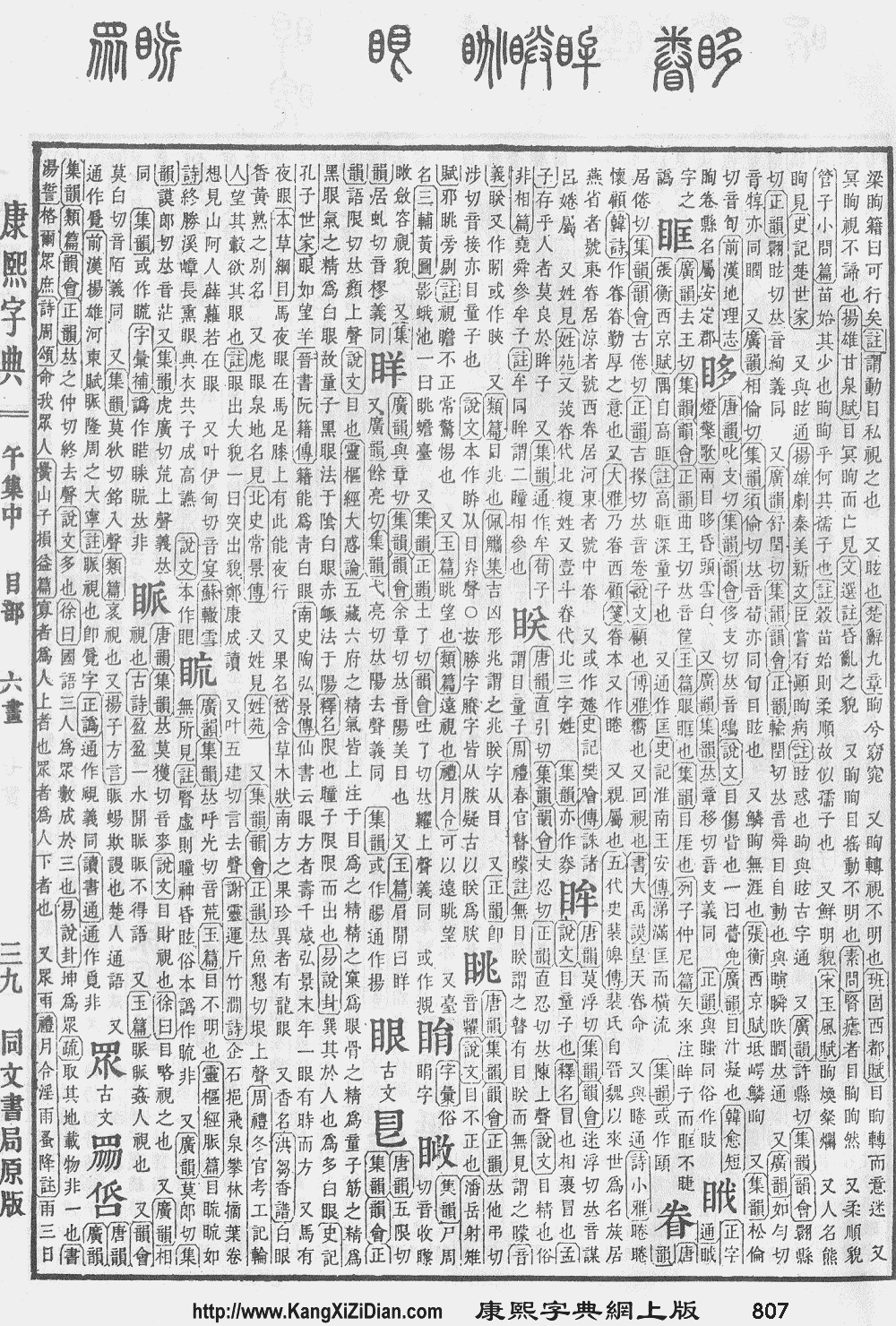
- Kangxi Dictionary: page 807, character 11
- Dai Kanwa Jiten: character 23318
- Dae Jaweon: page 1222, character 26
- Hanyu Da Zidian (first edition): volume 4, page 2488, character 4
- Unihan data for U+773C
Chinese edit
| simp. and trad. |
眼 | |
|---|---|---|
Glyph origin edit
| Old Chinese | |
|---|---|
| 艱 | *krɯːn |
| 齦 | *kʰrɯːnʔ, *kʰɯːnʔ, *ŋɯn |
| 眼 | *ŋrɯːnʔ |
| 蛝 | *ɡrɯːn |
| 限 | *ɡrɯːnʔ |
| 硍 | *ɡrɯːnʔ |
| 豤 | *kʰɯːnʔ, *kʰɯːnʔ, *kʰuːn |
| 詪 | *ɡlɯːnʔ, *kɯːnʔ, *kɯːns |
| 根 | *kɯːn |
| 跟 | *kɯːn |
| 珢 | *kɯːn, *kɯːns, *ŋrɯn |
| 艮 | *kɯːns |
| 茛 | *kɯːns |
| 墾 | *kʰɯːnʔ |
| 懇 | *kʰɯːnʔ |
| 垠 | *ŋɯːn, *ŋrɯn, *ŋɯn |
| 泿 | *ŋɯːn, *ŋrɯn |
| 痕 | *ɡɯːn |
| 拫 | *ɡɯːn |
| 鞎 | *ɡɯːn |
| 很 | *ɡɯːnʔ |
| 恨 | *ɡɯːns |
| 銀 | *ŋrɯn |
| 檭 | *ŋrɯn |
Phono-semantic compound (形聲/形声, OC *ŋrɯːnʔ) : semantic 目 (“eye”) + phonetic 艮 (OC *kɯːns).
Etymology 1 edit
Derived from Etymology 2 (Sagart, 1999). Displaced common Sino-Tibetan 目 (OC *muɡ, “eye”) in many dialects.
Pronunciation edit
Definitions edit
眼
- (anatomy) eye (Classifier: 隻/只 m c; 雙/双 m c; 對/对 c)
- See also: 目
- † to see; to view; to see ... in person
- † to keep sight of; to monitor; to watch
- sight; vision
- Classifier for actions of the eye: glance; glimpse
- † to testify; to witness
- eyelet; aperture; hole; opening
- tempo in the opera
- 一板三眼 ― yībǎnsānyǎn ― one strong beat and three weak beats in the four-beat rhythm
- territory in game Go (board game).
- † loophole; shortcoming
- † bubbles of boiling water
- mesh
- key point; critical moment
- (go) trap
- Classifier for springs, wells and ponds.
- (Northern Wu) some; a bit
- (Cantonese, mahjong) two identical tiles which are an essential part of a legal winning hand
- (Cantonese) Classifier for lamps.
- (Cantonese) Classifier for needles.
Synonyms edit
| Variety | Location | Words |
|---|---|---|
| Formal (Written Standard Chinese) | 些 | |
| Mandarin | Taiwan | 些 |
| Singapore | 些 | |
| Cantonese | Guangzhou | 啲 |
| Hong Kong | 啲 | |
| Taishan | 尼 | |
| Singapore (Guangfu) | 啲 | |
| Hakka | Meixian | 兜 |
| Miaoli (N. Sixian) | 兜 | |
| Pingtung (Neipu; S. Sixian) | 兜 | |
| Hsinchu County (Zhudong; Hailu) | 兜 | |
| Taichung (Dongshi; Dabu) | 兜 | |
| Hsinchu County (Qionglin; Raoping) | 兜 | |
| Yunlin (Lunbei; Zhao'an) | 兜 | |
| Southern Min | Xiamen | 寡 |
| Zhangzhou | 寡 | |
| Tainan | 寡 | |
| Singapore (Hokkien) | 寡 | |
| Manila (Hokkien) | 寡 | |
| Shantou | 撮 | |
| Jieyang | 撮 | |
| Singapore (Teochew) | 撮 | |
| Wu | Shanghai | 眼, 點, 些 formal or Mandarin-influenced |
| Wenzhou | 厘兒 | |
| Variety | Location | Words |
|---|---|---|
| Formal (Written Standard Chinese) | 盞 | |
| Mandarin | Taiwan | 盞 |
| Yantai (Muping) | 盞 | |
| Luoyang | 盞 | |
| Xi'an | 盞 | |
| Yinchuan | 盞 | |
| Xining | 盞 | |
| Ürümqi | 盞 | |
| Wuhan | 盞 | |
| Chengdu | 盞 | |
| Guiyang | 盞 | |
| Liuzhou | 盞 | |
| Xuzhou | 盞 | |
| Nanjing | 盞 | |
| Cantonese | Guangzhou | 眼 |
| Hong Kong | 盞, 眼 | |
| Taishan | 盞 | |
| Dongguan | 盞 | |
| Gan | Nanchang | 盞 |
| Pingxiang | 盞 | |
| Hakka | Meixian | 盞 |
| Yudu | 盞 | |
| Jin | Taiyuan | 盞 |
| Xinzhou | 盞 | |
| Eastern Min | Fuzhou | 盞 |
| Southern Min | Xiamen | 葩, 盞 |
| Quanzhou | 葩 | |
| Zhangzhou | 葩 | |
| Tainan | 葩 | |
| Longyan | 葩 | |
| Datian | 葩 | |
| Leizhou | 盞 | |
| Southern Pinghua | Nanning (Tingzi) | 盞 |
| Wu | Shanghai | 盞 |
| Shanghai (Chongming) | 盞 | |
| Suzhou | 盞 | |
| Danyang | 盞 | |
| Hangzhou | 盞 | |
| Ningbo | 盞 | |
| Wenzhou | 盞 | |
| Jinhua | 盞 | |
| Xiang | Changsha | 盞 |
| Loudi | 盞 | |
Compounds edit
- 一晃眼
- 一板一眼 (yībǎnyīyǎn)
- 一眨眼
- 一眼 (yīyǎn)
- 一轉眼/一转眼
- 下死眼
- 上眼 (shàngyǎn)
- 三眼井 (Sānyǎnjǐng)
- 三角眼 (sānjiǎoyǎn)
- 不上眼
- 不住眼
- 不入眼
- 不對眼/不对眼
- 不挂眼
- 不眨眼
- 不落眼
- 不起眼 (bùqǐyǎn)
- 不錯眼/不错眼
- 不開眼/不开眼 (bùkāiyǎn)
- 不離眼/不离眼
- 不順眼/不顺眼
- 丟眼色/丢眼色
- 丹鳳眼/丹凤眼 (dānfèngyǎn)
- 乖眼
- 乜斜眼
- 乾眼症/干眼症 (gānyǎnzhèng)
- 乾瞪眼/干瞪眼
- 二五眼 (èrwǔyǎn)
- 五眼泉 (Wǔyǎnquán)
- 五眼雞/五眼鸡
- 亮眼人
- 佛眼
- 佛眼兒/佛眼儿
- 估著眼/估着眼
- 使眼色 (shǐ yǎnsè)
- 俗眼
- 做眉眼
- 偷眼 (tōuyǎn)
- 側眼/侧眼
- 做眼
- 做眼色 (zuò yǎnsè)
- 傻眼 (shǎyǎn)
- 光著眼/光着眼
- 入眼 (rùyǎn)
- 入眼貨/入眼货
- 兩眼/两眼
- 兩瞪眼/两瞪眼
- 具眼
- 冷眼 (lěngyǎn)
- 冷眼人
- 凌眼
- 凡眼
- 刺眼 (cìyǎn)
- 到眼
- 勢利眼/势利眼
- 千手千眼觀音/千手千眼观音 (Qiān Shǒu Qiān Yǎn Guānyīn)
- 千里眼 (qiānlǐyǎn)
- 半開眼/半开眼
- 卯眼 (mǎoyǎn)
- 反眼猴
- 另眼
- 合板眼
- 合眼 (héyǎn)
- 唼眼
- 喂眼
- 單眼皮/单眼皮 (dānyǎnpí)
- 圓眼/圆眼 (yuányǎn)
- 夜眼
- 大眼賊/大眼贼
- 天眼 (tiānyǎn)
- 天眼通
- 天睜眼/天睁眼
- 天開眼/天开眼
- 好眼力
- 媚眼 (mèiyǎn)
- 字眼 (zìyǎn)
- 字眼兒/字眼儿 (zìyǎnr)
- 害眼
- 實心眼/实心眼
- 對眼/对眼 (duìyǎn)
- 小心眼 (xiǎoxīnyǎn)
- 少心眼
- 屁眼 (pìyǎn)
- 屁股眼 (pìguyǎn)
- 展眼
- 岔眼
- 巨眼
- 差眼
- 帶眼/带眼
- 心眼 (xīnyǎn)
- 心眼兒/心眼儿 (xīnyǎnr)
- 惹眼
- 慧眼 (huìyǎn)
- 懂眼
- 戲眼/戏眼 (xìyǎn)
- 手眼 (shǒuyǎn)
- 扎眼 (zhāyǎn)
- 打眼 (dǎyǎn)
- 打眼的
- 打眼目
- 打眼色
- 打眼號/打眼号
- 招眼
- 拙眼
- 抬眼
- 挑眼
- 捉冷眼
- 掛眼/挂眼
- 掉眼
- 揜眼
- 搶眼/抢眼 (qiǎngyǎn)
- 擠眼/挤眼 (jǐyǎn)
- 放眼 (fàngyǎn)
- 散光眼
- 斜眼 (xiéyǎn)
- 斬眼/斩眼
- 明眼
- 明眼人 (míngyǎnrén)
- 星眼
- 暖眼
- 有眼光
- 有眼力
- 有眼色
- 杏眼
- 板眼 (bǎnyǎn)
- 柳眼
- 格子眼
- 格眼
- 桃花眼
- 楞子眼
- 槅子眼
- 榫眼 (sǔnyǎn)
- 榜眼 (bǎngyǎn)
- 橫死眼/横死眼
- 正眼 (zhèngyǎn)
- 氣眼/气眼
- 沒心眼/没心眼
- 沒眼力/没眼力
- 沒眼斤/没眼斤
- 沒眼的/没眼的
- 沒眼色/没眼色
- 沒長眼/没长眼
- 泉眼 (quányǎn)
- 法眼 (fǎyǎn)
- 法眼宗
- 洗眼 (xǐyǎn)
- 海底眼
- 淚眼/泪眼 (lèiyǎn)
- 清眼鬼
- 溝眼/沟眼 (gōuyǎn)
- 溜眼睛
- 漏了眼
- 滿眼/满眼 (mǎnyǎn)
- 火眼
- 炮眼 (pàoyǎn)
- 烘眼
- 烏眼雞/乌眼鸡
- 照眼
- 牛眼 (niúyǎn)
- 牢眼
- 獨眼龍/独眼龙 (dúyǎnlóng)
- 現眼/现眼 (xiànyǎn)
- 生眼
- 當眼/当眼
- 當眼處/当眼处
- 疤瘌眼
- 白眼 (báiyǎn)
- 白眼珠 (báiyǎnzhū)
- 白瞪眼
- 眉眼 (méiyǎn)
- 看走眼 (kànzǒuyǎn)
- 眕眼
- 眨眼 (zhǎyǎn)
- 眼下 (yǎnxià)
- 眼中丁
- 眼中人
- 眼中刺
- 眼中疔
- 眼中釘/眼中钉 (yǎnzhōngdīng)
- 眼光 (yǎnguāng)
- 眼兒/眼儿
- 眼前 (yǎnqián)
- 眼前歡/眼前欢
- 眼前花
- 眼力 (yǎnlì)
- 眼同
- 眼圈 (yǎnquān)
- 眼壓/眼压 (yǎnyā)
- 眼大
- 眼子
- 眼子菜
- 眼孔 (yǎnkǒng)
- 眼尖 (yǎnjiān)
- 眼屎 (yǎnshǐ)
- 眼岔 (yǎnchà)
- 眼巴巴 (yǎnbābā)
- 眼底 (yǎndǐ)
- 眼底下 (yǎndǐxià)
- 眼庫/眼库
- 眼影 (yǎnyǐng)
- 眼愕愕
- 眼慢
- 眼懸懸/眼悬悬
- 眼扎毛
- 眼拙 (yǎnzhuō)
- 眼挫
- 眼暈/眼晕
- 眼格
- 眼梢
- 眼毒
- 眼波 (yǎnbō)
- 眼泡
- 眼淚/眼泪 (yǎnlèi)
- 眼熱/眼热 (yǎnrè)
- 眼熟 (yǎnshú)
- 眼珠 (yǎnzhū)
- 眼珠兒/眼珠儿
- 眼珠子 (yǎnzhūzi)
- 眼球 (yǎnqiú)
- 眼球肌
- 眼生 (yǎnshēng)
- 眼界 (yǎnjiè)
- 眼白 (yǎnbái)
- 眼皮 (yǎnpí)
- 眼皮子 (yǎnpízi)
- 眼目 (yǎnmù)
- 眼看 (yǎnkàn)
- 眼眉 (yǎnméi)
- 眼看著/眼看着
- 眼眶 (yǎnkuàng)
- 眼眸 (yǎnmóu)
- 眼眵 (yǎnchī)
- 眼睛
- 眼睫毛 (yǎnjiémáo)
- 眼睜睜/眼睁睁 (yǎnzhēngzhēng)
- 眼瞪瞪
- 眼瞼/眼睑 (yǎnjiǎn)
- 眼神 (yǎnshén)
- 眼福 (yǎnfú)
- 眼禿刷/眼秃刷
- 眼科 (yǎnkē)
- 眼穿
- 眼窩/眼窝 (yǎnwō)
- 眼簾/眼帘 (yǎnlián)
- 眼紅/眼红 (yǎnhóng)
- 眼線/眼线 (yǎnxiàn)
- 眼罩 (yǎnzhào)
- 眼翳
- 眼腦/眼脑
- 眼色 (yǎnsè)
- 眼花 (yǎnhuā)
- 眼蟲/眼虫
- 眼袋 (yǎndài)
- 眼裡/眼里 (yǎnlǐ)
- 眼見得/眼见得 (yǎnjiànde)
- 眼角 (yǎnjiǎo)
- 眼角膜 (yǎnjiǎomó)
- 眼語/眼语
- 眼跳
- 眼辨
- 眼鏡/眼镜 (yǎnjìng)
- 眼鏡猴/眼镜猴 (yǎnjìnghóu)
- 眼鏡蛇/眼镜蛇 (yǎnjìngshé)
- 眼離/眼离
- 眼餳/眼饧
- 眼饞/眼馋 (yǎnchán)
- 眼高
- 眼點/眼点 (yǎndiǎn)
- 睃眼
- 睜眼/睁眼 (zhēngyǎn)
- 睡眼
- 瞎了眼
- 瞇眼/眯眼
- 瞎眼 (xiāyǎn)
- 瞞眼畫/瞒眼画
- 瞥眼
- 瞪眼 (dèngyǎn)
- 瞪著眼/瞪着眼
- 砂眼 (shāyǎn)
- 破眼
- 碧眼兒/碧眼儿
- 碧眼胡 (Bìyǎnhú)
- 礙眼/碍眼 (àiyǎn)
- 突眼
- 窗眼
- 窩瞘眼/窝眍眼
- 第一眼
- 筍眼/笋眼
- 節骨眼/节骨眼
- 紅眼/红眼 (hóngyǎn)
- 紅眼病/红眼病 (hóngyǎnbìng)
- 網眼/网眼 (wǎngyǎn)
- 繡眼/绣眼
- 翻白眼 (fānbáiyǎn)
- 耀眼 (yàoyǎn)
- 老視眼/老视眼
- 老花眼 (lǎohuāyǎn)
- 耍心眼
- 耳朵眼
- 肉眼 (ròuyǎn)
- 肚臍眼/肚脐眼 (dùqíyǎn)
- 腰眼 (yāoyǎn)
- 舉眼/举眼
- 芽眼
- 著眼/着眼 (zhuóyǎn)
- 著眼點/着眼点 (zhuóyǎndiǎn)
- 菉豆眼
- 虎眼石 (hǔyǎnshí)
- 蟲眼/虫眼 (chóngyǎn)
- 裂眼
- 複眼/复眼 (fùyǎn)
- 親眼/亲眼 (qīnyǎn)
- 覷眼/觑眼
- 觸眼/触眼 (chùyǎn)
- 詞眼/词眼
- 詐眼兒/诈眼儿
- 話眼/话眼
- 詩眼/诗眼
- 調眼色/调眼色
- 豎眼/竖眼
- 貓兒眼/猫儿眼 (māoryǎn)
- 貓眼石/猫眼石
- 費眼/费眼
- 賊眼/贼眼
- 賣眼/卖眼
- 走板眼
- 走眼 (zǒuyǎn)
- 起眼 (qǐyǎn)
- 趕眼錯/赶眼错
- 蹲風眼/蹲风眼
- 轉眼/转眼 (zhuǎnyǎn)
- 近視眼/近视眼 (jìnshìyǎn)
- 迷眼
- 過眼/过眼
- 遞眼色/递眼色
- 遠視眼/远视眼
- 遮眼法
- 邪眼
- 醉眼 (zuìyǎn)
- 醒眼 (xǐngyǎn)
- 針眼/针眼
- 鋪眼兒/铺眼儿
- 錯眼/错眼
- 鎗眼/枪眼
- 鑽錢眼/钻钱眼 (zuān qiányǎn)
- 閉眼/闭眼 (bìyǎn)
- 開眼/开眼 (kāiyǎn)
- 開眼界/开眼界
- 開過眼/开过眼
- 閤眼/合眼
- 闔眼/阖眼
- 關眼兒/关眼儿
- 阿兜眼
- 障眼法
- 雞眼/鸡眼 (jīyǎn)
- 雙眼皮/双眼皮 (shuāngyǎnpí)
- 雞瞀眼/鸡瞀眼
- 電眼/电眼 (diànyǎn)
- 露眼
- 青光眼 (qīngguāngyǎn)
- 青白眼
- 青眼 (qīngyǎn)
- 順眼/顺眼 (shùnyǎn)
- 頭眼/头眼
- 顯眼/显眼 (xiǎnyǎn)
- 颱風眼/台风眼
- 飛眼/飞眼 (fēiyǎn)
- 飛眼風/飞眼风
- 養眼/养眼 (yǎngyǎn)
- 餳眼/饧眼
- 馬眼/马眼 (mǎyǎn)
- 馬虎眼/马虎眼
- 高眼
- 鬥心眼/斗心眼
- 鬥眼/斗眼 (dòuyǎn)
- 鬥雞眼/斗鸡眼 (dòujīyǎn)
- 魚眼/鱼眼 (yúyǎn)
- 鳳眼/凤眼
- 鳳眼果/凤眼果
- 鴝鵒眼/鸲鹆眼
- 鵝眼錢/鹅眼钱
- 鶻鴒眼/鹘鸰眼
- 麂眼
- 黑眼圈 (hēiyǎnquān)
- 點眼/点眼 (diǎnyǎn)
- 龍眼/龙眼 (lóngyǎn)
- 龍眼乾/龙眼干
Etymology 2 edit
Unknown.
Pronunciation edit
Definitions edit
眼
- † protruding; bulging (like bulging eyes)
References edit
- “眼”, in 漢語多功能字庫 (Multi-function Chinese Character Database)[1], 香港中文大學 (the Chinese University of Hong Kong), 2014–
Japanese edit
Kanji edit
眼
Readings edit
Etymology 1 edit
| Kanji in this term |
|---|
| 眼 |
| まなこ Grade: 5 |
| kun’yomi |
| For pronunciation and definitions of 眼 – see the following entry. | ||
| ||
| (This term, 眼, is an alternative spelling of the above term.) |
Etymology 2 edit
| Kanji in this term |
|---|
| 眼 |
| め Grade: 5 |
| kun’yomi |
| For pronunciation and definitions of 眼 – see the following entry. | ||
| ||
| (This term, 眼, is an alternative spelling of the above term.) |
References edit
- Tsukishima, Hiroshi (1978) Kojisho Ongi Shūsei 3: Daihannya-kyō Ongi, Daihannya-kyō Jishō (in Japanese), Tōkyō: Kyūko Shoin, →ISBN
Korean edit
Etymology edit
From Middle Chinese 眼 (MC ngeanX).
| Historical Readings | ||
|---|---|---|
| Dongguk Jeongun Reading | ||
| Dongguk Jeongun, 1448 | ᅌᅡᆫ〯 (Yale: ngǎn) | |
| Middle Korean | ||
| Text | Eumhun | |
| Gloss (hun) | Reading | |
| Hunmong Jahoe, 1527[2] | 눈〮 (Yale: nwún) | 안〯 (Yale: ǎn) |
Pronunciation edit
- (SK Standard/Seoul) IPA(key): [a̠(ː)n]
- Phonetic hangul: [안(ː)]
- Though still prescribed in Standard Korean, most speakers in both Koreas no longer distinguish vowel length.
Hanja edit

Compounds edit
Compounds
References edit
- 국제퇴계학회 대구경북지부 (國際退溪學會 大邱慶北支部) (2007). Digital Hanja Dictionary, 전자사전/電子字典. [3]
Vietnamese edit
Han character edit
Readings edit
眼: Hán Việt readings: nhẫn, nhãn
眼: Nôm readings: nhởn, nhản, nhan, nhẫn, nhãn