
animal
English

Pronunciation
- (UK, US) enPR: ăn'ĭməl, IPA(key): /ˈæn.ɪ.məl/
Audio (US) (file) - (weak vowel merger) IPA(key): /ˈæn.ə.məl/
| Picture dictionary | |||||||
|---|---|---|---|---|---|---|---|
| |||||||
|


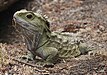


Etymology 1
From Middle English animal, from Old French animal, from Latin animal, a nominal use of an adjective from animale, neuter of animālis, from anima (“breath, spirit”). Displaced native Middle English deor, der (“animal”) (from Old English dēor (“animal”)), Middle English reother (“animal, neat”) (from Old English hrīþer, hrȳþer (“neat, ox”)).
Noun
animal (plural animals)
- (sciences) Any eukaryote of the clade Animalia; a multicellular organism that is usually mobile, whose cells are not encased in a rigid cell wall (distinguishing it from plants and fungi) and which derives energy solely from the consumption of other organisms (distinguishing it from plants).
- Synonym: creature
- Hyponyms: human, person
- Humans, like other animals, need air to breathe and food to eat.
- 1650, Thomas Browne, “Of the Cameleon”, in Pseudodoxia Epidemica: […], 2nd edition, London: […] A[braham] Miller, for Edw[ard] Dod and Nath[aniel] Ekins, […], →OCLC, 3rd book, page 133:
- It cannot be denied it [the chameleon] is (if not the moſt of any) a very abſtemious animall, and ſuch as by reaſon of its frigidity, paucity of bloud, and latitancy in the winter (about which time the obſervations are often made) will long ſubſist without a viſible ſuſtentation.
- (loosely) Any member of the kingdom Animalia other than a human.
- (loosely) A higher animal; an animal related to humans.
- When he's hungry my toddler opens his mouth like an animal instead of asking us to feed him.
- (colloquial) A tetrapod; a land-dwelling nonhuman vertebrate.
- 2013 July-August, Henry Petroski, “Geothermal Energy”, in American Scientist, volume 101, number 4:
- Ancient nomads, wishing to ward off the evening chill and enjoy a meal around a campfire, had to collect wood and then spend time and effort coaxing the heat of friction out from between sticks to kindle a flame. With more settled people, animals were harnessed to capstans or caged in treadmills to turn grist into meal.
- A warm-blooded animal; a mammal or bird.
- A non-human mammal.
- I spent my summer studying the animals and birds of the two islands.
- (figuratively) A person who behaves wildly; a bestial, brutal, brutish, cruel, or inhuman person.
- 2019, “Bad Guy”, Finneas O'Connell, Billie Eilish O'Connell (lyrics), performed by Billie Eilish:
- Own me, I'll let you play the role
I'll be your animal
- (informal) A person of a particular type specified by an adjective.
- He's a political animal.
- Matter, thing.
- a whole different animal
- no such animal
Hyponyms
- See also Thesaurus:animal
Derived terms
- advice animal
- animal activist
- animal black
- animal charcoal
- animal control officer
- animal cracker
- animal dentistry
- animal dye
- animalesque
- animal experimentation
- animal fat
- animal feed
- animal flower
- animal food
- animal fries
- animal heat
- animalhood
- animal husbandry
- animalian
- animalicide
- animalish
- animalism
- animalist
- animalistic
- animalivore
- animalivorous
- animalkind
- animal kingdom
- animal liberation
- animal-like
- animally
- animal magnetism
- animaloid
- animal product
- animal protein factor
- animal registry
- animal reminder disgust
- animal rights
- animal science
- animal shelter
- animal tester
- animal testing
- animal welfare
- animal welfarist
- anipal
- antianimal
- assistance animal
- balloon animal
- companimal
- companion animal
- compound animal
- draft animal
- draught animal
- eat like an animal
- emotional support animal
- farm animal
- funny animal
- go the entire animal
- intensive animal farming
- interanimal
- intraanimal
- koranimal
- manimal
- microanimal
- moss animal
- multianimal
- nonanimal
- pack animal
- party animal
- planimal
- plant-animal
- plush animal
- political animal
- power animal
- rare animal
- scape-animal
- service animal
- Set animal
- spirit animal
- stuffed animal
- therapy animal
- Typhonian animal
- Typhonic animal
- wereanimal
- wheel animal
- wild animal
- working animal
Related terms
Descendants
Translations
Etymology 2
From Middle English animal, from Latin animālis, from either anima (“breath, spirit”) or animus. Originally distinct from the noun, it became associated with attributive use of the noun and is now indistinguishable from it.
Adjective
animal (not comparable)
- (Should we delete(+) this sense?) Of or relating to animals.
- 1783 June 3, William Cowper, “To the Rev. William Bull”, in Private Correspondence of William Cowper, Esq. with Several of His Most Intimate Friends. […], volume I, London: […] Henry Colburn, […], and Simpkin and Marshall, […], published 1824, page 266:
- The season has been most unfavourable to animal life; and I, who am merely animal, have suffered much by it.
- 1809, William Martin, Outlines of an Attempt to Establish a Knowledge of Extraneous Fossils, on Scientific Principles. […], Macclesfield, Cheshire: […] J. Wilson. Sold by the Author, […]; J. White, […], and Longman, Hurst, Rees, and Orme, […], page 141:
- […]—according to Sanssure, Abbé Fortis, Bruckenman, Jameson, Dr. Richardson, &c. &c. both animal and vegetal remains have been detected in Basalt and Wacke.
- 1890, [Lena,] Lady Login, “Lucknow”, in Sir John Login and Duleep Singh, London: W. H. Allen & Co., […], page 78:
- The body was covered with soft hair, and though undoubtedly human, it was very animal in its instincts and ways.
- 1918, W[ilhelm] Max Müller, “[Egyptian Mythology] Worship of Animals and Men”, in Louis Herbert Gray, George Foot Moore, editors, The Mythology of All Races […], volume XII (Egyptian; Indo-Chinese), Boston, Mass.: Marshall Jones Company, page 167:
- The unsatisfactory material at our command, however, renders it difficult to determine why we cannot prove a worship of a living incarnation for every deity who is represented on the monuments in a form either wholly or partially animal. We must wonder why, for example, the sacred hawk or hawks of Horus at Edfu (who never has human form) are scarcely mentioned.
- 1913–1921, D[avid] H[erbert] Lawrence, “The Horse Dealer’s Daughter”, in England My England and Other Stories, New York, N.Y.: Thomas Seltzer, published 24 October 1922, →OCLC, page 243:
- He looked down at the tangled wet hair, the wild, bare, animal shoulders.
- 2012, Jeet Thayil, Narcopolis, New York, N.Y.: The Penguin Press, →ISBN, page 216:
- I thought: if pain is the thing shared by all living creatures, then I’m no longer human or animal or vegetal; I am unplugged from the tick of metabolism; I am mineral.
- 2015 August, Joseph M. Luguya, “Part 1: The Demented Scholar”, in Humans: The Untold Story of Adam and Eve and their Descendants, volume one (The Thesis), Silver Spring, Md.: Original Books, →ISBN, page 46:
- In any case, the argument the inhabitants of these parts would have advanced as their strongest one against the so-called chastity belt would, of course, have been that living species, whether animal or vegetative, were made the way they were for an obvious reason.
- Raw, base, unhindered by social codes.
- Synonyms: animalistic, beastly, bestial, untamed, wild
- animal passions
- Pertaining to the spirit or soul; relating to sensation or innervation.
- 2003, Roy Porter, Flesh in the Age of Reason, Penguin, published 2004, page 47:
- To explain what activated the flesh, ‘animal spirits’ were posited, superfine fluids which shuttled between the mind and the vitals, conveying messages and motion.
- (slang, Ireland) Excellent.
Derived terms
Translations
|
|
|
See also
Further reading
- “animal”, in OneLook Dictionary Search.
- animal in Keywords for Today: A 21st Century Vocabulary, edited by The Keywords Project, Colin MacCabe, Holly Yanacek, 2018.
- “animal”, in The Century Dictionary […], New York, N.Y.: The Century Co., 1911, →OCLC.
- animal in Britannica Dictionary
- animal in Ozdic collocation dictionary
- animal in WordReference English Collocations
Anagrams
Asturian
Etymology
Pronunciation
Adjective
animal (epicene, plural animales)
Noun
animal m (plural animales)
Catalan
Etymology
Pronunciation
- IPA(key): (Central, Balearic) [ə.niˈmal]
- IPA(key): (Valencian) [a.niˈmal]
Audio (Valencian) (file) - Rhymes: -al
- Hyphenation: a‧ni‧mal
Adjective
animal m or f (masculine and feminine plural animals)
Noun
animal m (plural animals)
Derived terms
- animalada
- animalitzar (“to animalize”)
Further reading
- “animal” in Diccionari de la llengua catalana, segona edició, Institut d’Estudis Catalans.
- “animal”, in Gran Diccionari de la Llengua Catalana, Grup Enciclopèdia Catalana, 2024
- “animal” in Diccionari normatiu valencià, Acadèmia Valenciana de la Llengua.
- “animal” in Diccionari català-valencià-balear, Antoni Maria Alcover and Francesc de Borja Moll, 1962.
Cebuano
Etymology
Borrowed from Spanish animal, from Latin animal, a nominal use of an adjective from animale, neuter of animālis, from anima (“breath, spirit”).
Pronunciation
Noun
animál
- animal
- (derogatory) rascal
- Synonym: banyaga
- (sometimes humurous) a crazy person
Adjective
animál
- (sometimes humorous) crazy
- contemptible, deserving contempt
- ruthless; without pity or compassion; cruel, pitiless
Interjection
animál
French
Etymology
Borrowed from Latin animal. Compare the archaic inherited doublet aumaille and its variant armaille, both from the Latin neuter plural animālia.
Pronunciation
Noun
animal m (plural animaux)
Derived terms
Adjective
animal (feminine animale, masculine plural animaux, feminine plural animales)
Further reading
- “animal”, in Trésor de la langue française informatisé [Digitized Treasury of the French Language], 2012.
Anagrams
Galician
Etymology
Pronunciation
Adjective
animal m or f (plural animais)
Noun
animal m (plural animais)
Haitian Creole
Etymology
From French animal, from Latin animal.
Pronunciation
Noun
animal
Ilocano
Etymology
Pronunciation
Noun
animál
Interlingua
Pronunciation
Noun
animal (plural animales)
Kabuverdianu
Etymology
From Portuguese animal.
Noun
animal
Kapampangan
Etymology
Pronunciation
Noun
animal
Latin
Etymology
From animāle, nominative neuter singular of animālis.
Pronunciation
- (Classical) IPA(key): /ˈa.ni.mal/, [ˈänɪmäɫ̪]
- (modern Italianate Ecclesiastical) IPA(key): /ˈa.ni.mal/, [ˈäːnimäl]
Noun
animal n (genitive animālis); third declension
Declension
Third-declension noun (neuter, “pure” i-stem).
| Case | Singular | Plural |
|---|---|---|
| Nominative | animal | animālia |
| Genitive | animālis | animālium |
| Dative | animālī | animālibus |
| Accusative | animal | animālia |
| Ablative | animālī | animālibus |
| Vocative | animal | animālia |
Synonyms
Related terms
Descendants
- Aromanian: nãmalj, nãmaljiu
- Corsican: animale
- Dalmatian: animuol, animul
- Franco-Provençal: armalye
- Old French: almaille
- Friulian: nemâl
- Italian: animale
- → Maltese: annimal
- Old Galician-Portuguese: almallo
- Romagnol: animêl
- Romanian: nămaie
- Sicilian: armali, armalu
- Spanish: alimaña, almaje
- Tarantino: anemale
- Venetian: animal, anemal
Borrowings:
- → Aragonese: animal
- → Asturian: animal
- → Basque: animalia
- → Breton: aneval
- → Catalan: animal
- → Franco-Provençal: animal
- → Friulian: animâl
- → Galician: animal
- → Ido: animalo (also from various others)
- → Interlingua: animal
- → Novial: animale
- → Occitan: animal
- → Old French: animal
- → Portuguese: animal
- → Romansch: animal
- → Spanish: animal
- → Welsh: anifail
References
- “animal”, in Charlton T. Lewis and Charles Short (1879) A Latin Dictionary, Oxford: Clarendon Press
- “animal”, in Charlton T. Lewis (1891) An Elementary Latin Dictionary, New York: Harper & Brothers
- animal in Charles du Fresne du Cange’s Glossarium Mediæ et Infimæ Latinitatis (augmented edition with additions by D. P. Carpenterius, Adelungius and others, edited by Léopold Favre, 1883–1887)
- animal in Gaffiot, Félix (1934) Dictionnaire illustré latin-français, Hachette.
- Carl Meißner, Henry William Auden (1894) Latin Phrase-Book[1], London: Macmillan and Co.
- animate and inanimate nature: animata (animalia) inanimaque (not inanimata)
- domestic animals: animalia quae nobiscum degunt (Plin. 8. 40)
- animate and inanimate nature: animata (animalia) inanimaque (not inanimata)
Middle English
Pronunciation
Etymology 1
Borrowed from Old French animal, from Latin animal.
Alternative forms
Noun
animal (plural animales)
- An animal (considered to include humans)
Descendants
References
- “animāl, n.”, in MED Online, Ann Arbor, Mich.: University of Michigan, 2007, retrieved 2019-01-16.
Etymology 2
Alternative forms
Adjective
animal
Descendants
- English: animal
References
- “animāl, adj.”, in MED Online, Ann Arbor, Mich.: University of Michigan, 2007, retrieved 2019-01-16.
Middle French
Noun
Papiamentu
Etymology
From Portuguese animal and Spanish animal.
Noun
animal
Portuguese
| Picture dictionary | |||||||
|---|---|---|---|---|---|---|---|
| |||||||
|
Etymology
Learned borrowing from Latin animal. Doublet of alimária.
Pronunciation
Adjective
animal m or f (plural animais, comparable, comparative mais animal, superlative o mais animal or animalíssimo)
- (biology) animal (relating to animals)
- 2000, Julio S. Inglez de Sousa et al., Enciclopédia agrícola brasileira: E-H, Editora da Universidade de São Paulo, page 225:
- Em anatomia animal o termo é de uso muito comum, […]
- The term is very commonly used in animal anatomy, […]
- (derogatory, of a person) brute (senseless, unreasoning)
- For quotations using this term, see Citations:animal.
- (Brazil, colloquial) cool; awesome
- 2015, Juliana Rosenthal K., Save the Day, Buqui, page 52:
- É, tava animal mesmo — Bia mal consegue falar.
- Yeah, it really was wild — Bia can barely speak.
Noun
animal m (plural animais)
- (biology) animal (any member of the kingdom Animalia)
- 2020, Petrônio Braz, Léxico dos Gerais, Chiado Books, page 481:
- Primatas — Animais mamíferos, da ordem Primata, que compreende os macacos, antropóides e o homem.
- Primates — Mammalian animals, of the order Primata, which comprises monkeys/apes, anthropoids and man.
- (non-scientific usage) animal (an animal other than a human, especially a vertebrate)
- 2007, Daniela Ikawa, Valor humano intrínseco e redistribuição social in 2007, Flávia Piovesan, Daniela Ikawa, Direitos Humanos: Fundamento, Proteção e Implementação, volume 2, Juruá Editora, page 44:
- Separar os dois grupos — humanos e animais requereria, dentro dos limites da teoria relativa à dor e ao sofrimento, […]
- Separating the two groups — humans and animals would require, within the limits of the theory relating to pain and suffering, […]
- 2007, Daniela Ikawa, Valor humano intrínseco e redistribuição social in 2007, Flávia Piovesan, Daniela Ikawa, Direitos Humanos: Fundamento, Proteção e Implementação, volume 2, Juruá Editora, page 44:
- (colloquial) twat; idiot; moron
- 1979, Wilson Bacelar de Oliveira, Os meus fantasmas, Editora Comunicação, page 490:
- Escute aqui, seu animal, então você brigou com o companheiro?
- Listen up, you dumbass, so you fought with [your] mate?
- (colloquial) beast (a cruel person)
- 2007, Creso Balduíno, O verso do ser, Editora Revan, page 170:
- Josuel é um animal repulsivo, uma besta humana.
- Josuel is a repulsive beast, a human beast.
- Synonym: monstro
Derived terms
Romanian
Alternative forms
- анимал (animal) — post-1930s Cyrillic spelling
Etymology
Borrowed from French animal, from Latin animal. Doublet of nămaie.
Pronunciation
Adjective
animal m or n (feminine singular animală, masculine plural animali, feminine and neuter plural animale)
Declension
| singular | plural | ||||||
|---|---|---|---|---|---|---|---|
| masculine | neuter | feminine | masculine | neuter | feminine | ||
| nominative/ accusative |
indefinite | animal | animală | animali | animale | ||
| definite | animalul | animala | animalii | animalele | |||
| genitive/ dative |
indefinite | animal | animale | animali | animale | ||
| definite | animalului | animalei | animalelor | animalilor | |||
Adverb
animal
Noun
animal n (plural animale)
Declension
| singular | plural | |||
|---|---|---|---|---|
| indefinite articulation | definite articulation | indefinite articulation | definite articulation | |
| nominative/accusative | (un) animal | animalul | (niște) animale | animalele |
| genitive/dative | (unui) animal | animalului | (unor) animale | animalelor |
| vocative | animalule | animalelor | ||
Romansch
Etymology
Noun
animal m (plural animals)
Synonyms
Spanish
Etymology
Borrowed from Latin animal. See also alimaña, an inherited doublet.
Pronunciation
Adjective
animal m or f (masculine and feminine plural animales)
Noun
animal m (plural animales)
Derived terms
Related terms
Further reading
- “animal”, in Diccionario de la lengua española, Vigésima tercera edición, Real Academia Española, 2014
Anagrams
Tagalog
Etymology
Borrowed from Spanish animal, from Latin animal.
Pronunciation
- (Standard Tagalog) IPA(key): /ʔaniˈmal/, [ʔɐ.nɪˈmal]
- Rhymes: -al
- Syllabification: a‧ni‧mal
Noun
animál (Baybayin spelling ᜀᜈᜒᜋᜎ᜔)
Derived terms
Tok Pisin
Etymology
Noun
animal