福
See also: 🉠
| ||||||||
 | ||||||||
 | ||||||||
Translingual edit
| Stroke order | |||
|---|---|---|---|

| |||
Han character edit
福 (Kangxi radical 113, 示+9, 13 strokes, cangjie input 戈火一口田 (IFMRW), four-corner 31266, composition ⿰礻畐(GHTJV) or ⿰⺬畐(K))

References edit
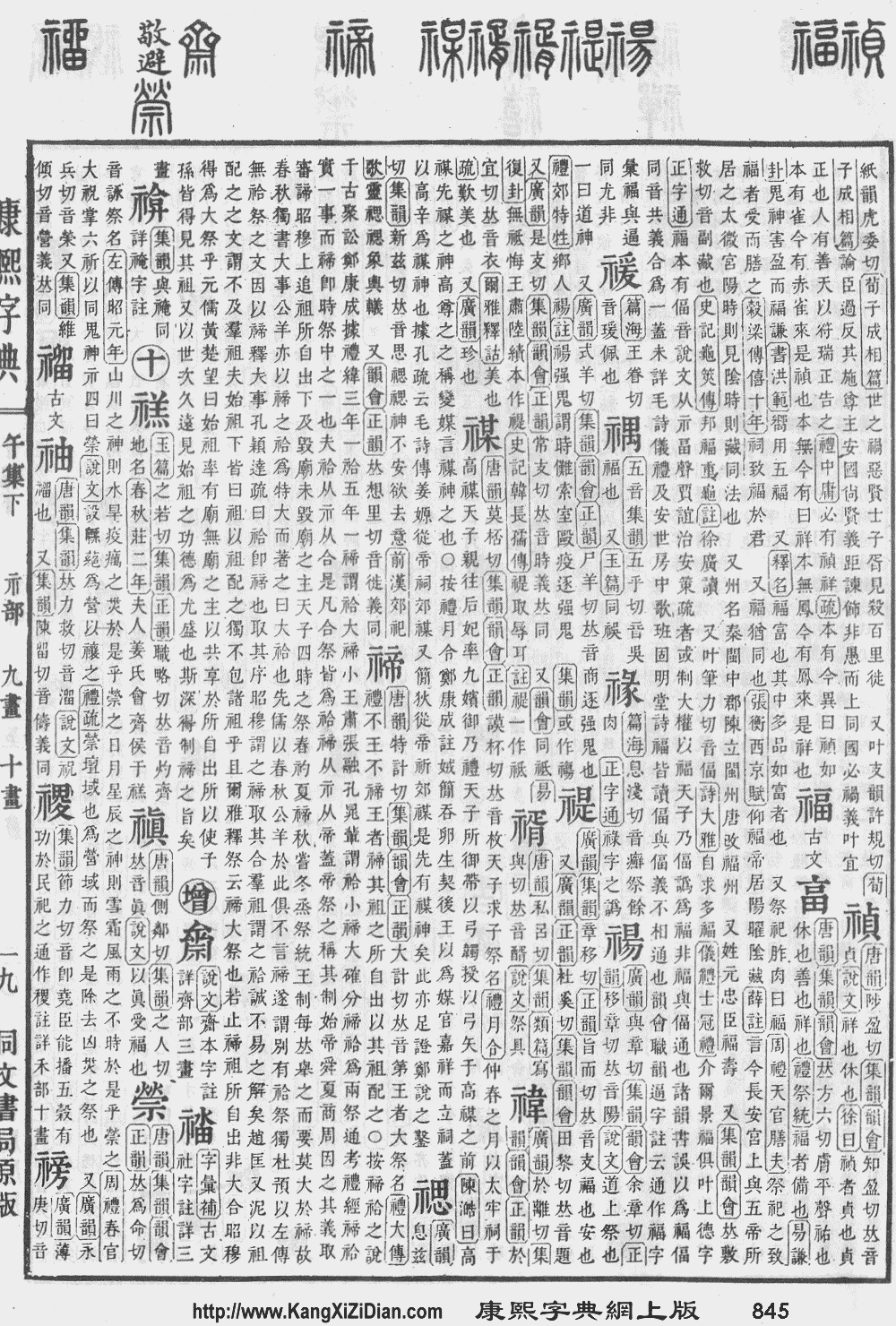
- Kangxi Dictionary: page 845, character 2
- Dai Kanwa Jiten: character 24768
- Dae Jaweon: page 1265, character 23
- Hanyu Da Zidian (first edition): volume 4, page 2404, character 3
- Unihan data for U+798F
Chinese edit
| simp. and trad. |
福 | |
|---|---|---|
| alternative forms | 畗 ancient 茀 | |

Glyph origin edit
| Historical forms of the character 福 | |||
|---|---|---|---|
| Western Zhou | Warring States | Shuowen Jiezi (compiled in Han) | Liushutong (compiled in Ming) |
| Bronze inscriptions | Chu slip and silk script | Small seal script | Transcribed ancient scripts |

|

|

|

|
Phono-semantic compound (形聲/形声, OC *pɯɡ) : semantic 示 + phonetic 畐 (OC *pʰrɯɡ, *bɯɡ).
Etymology edit
Proto-Sino-Tibetan [Term?]. Cognate with 富 (OC *pɯɡs, “rich”), Tibetan ཕྱུགས (phyugs, “livestock”).
Pronunciation 1 edit
Definitions edit
福
- blessing; happiness; prosperity; good fortune
- 口福 ― kǒufú ― gourmet's luck
- 享福 ― xiǎngfú ― to enjoy a happy life
- 托你的福 ― tuō nǐ de fú ― thanks to you
- 禍福相依/祸福相依 ― huòfúxiàngyī ― fortune and misfortune are interdependent
- 福如東海/福如东海 ― fúrúdōnghǎi ― to have boundless happiness
- 彌月不遲,是生后稷,降之百福。 [Pre-Classical Chinese, trad.]
- From: The Classic of Poetry, c. 11th – 7th centuries BCE, translated based on James Legge's version
- Míyuè bù chí, shì shēng Hòujì, jiàng zhī bǎi fú. [Pinyin]
- Immediately, when her months were fulfilled,
She gave birth to Hou-ji.
On him were conferred all blessings.
弥月不迟,是生后稷,降之百福。 [Pre-Classical Chinese, simp.]
- (obsolete) to bless
- Short for 福建 (Fújiàn, “Fujian”).
- a surname. Fu
Synonyms edit
- (blessing): 幸福 (xìngfú)
- (good fortune):
Antonyms edit
Compounds edit
- 一路福星
- 一飽眼福/一饱眼福 (yībǎoyǎnfú)
- 下福 (Xiàfú)
- 三福田
- 五福 (wǔfú)
- 五福紙/五福纸
- 五福臨門/五福临门 (wǔfúlínmén)
- 享福 (xiǎngfú)
- 仁福 (Rénfú)
- 介福
- 作威作福 (zuòwēizuòfú)
- 作福作威
- 來福槍/来福枪 (láifúqiāng)
- 來福線/来福线
- 俾爾遐福/俾尔遐福
- 全家福 (quánjiāfú)
- 全福
- 冥福
- 分神福
- 利國福民/利国福民
- 厚德載福/厚德载福
- 口福 (kǒufú)
- 同福 (Tóngfú)
- 命小福薄
- 因禍得福/因祸得福 (yīnhuòdéfú)
- 因禍為福/因祸为福
- 增福財神/增福财神
- 壽山福海/寿山福海
- 多福多壽/多福多寿
- 大福 (dàfú)
- 大福不再
- 大福大量
- 大飽口福/大饱口福
- 大飽眼福/大饱眼福 (dàbǎoyǎnfú)
- 天官賜福/天官赐福
- 天福
- 奇龐福艾/奇庞福艾
- 威福 (wēifú)
- 威福由己
- 威福自己
- 嫏嬛福地
- 安福寺 (Ānfúsì)
- 幸福 (xìngfú)
- 後福/后福 (hòufú)
- 得福不知
- 徼福
- 心靈福至/心灵福至
- 惜福 (xīfú)
- 成福 (Chéngfú)
- 托福 (tuōfú)
- 折福 (zhéfú)
- 接福
- 擅作威福
- 擇福宜重/择福宜重
- 散福
- 新福 (Xīnfú)
- 旦夕禍福/旦夕祸福
- 時來福湊/时来福凑
- 景福
- 有福同享
- 歸福/归福
- 毋望之福
- 民福 (Mínfú)
- 求福禳災/求福禳灾
- 沒福/没福
- 沒福消受/没福消受
- 法蘭克福/法兰克福 (Fǎlánkèfú)
- 洞天福地
- 洪福 (hóngfú)
- 洪福齊天/洪福齐天
- 清福 (qīngfú)
- 無妄之福/无妄之福
- 無福消受/无福消受
- 營福/营福
- 番番是福
- 痴人痴福
- 痴福
- 發福/发福 (fāfú)
- 百福 (Bǎifú)
- 百福具臻
- 百福司 (Bǎifúsī)
- 眼福 (yǎnfú)
- 祈福 (qífú)
- 祈福酬神
- 神天福佑
- 祝福 (zhùfú)
- 神福 (shénfú)
- 福不徒來/福不徒来
- 福不盈眥/福不盈眦
- 禍中有福/祸中有福
- 福人
- 福份 (fúfèn)
- 禍作福階/祸作福阶
- 福傳語言/福传语言
- 福分 (fúfèn)
- 福利 (fúlì)
- 福吉
- 福善禍淫/福善祸淫 (fúshànhuòyín)
- 福地 (fúdì)
- 福地洞天
- 福壽/福寿 (fúshòu)
- 福壽全歸/福寿全归
- 福壽天成/福寿天成
- 福壽天齊/福寿天齐
- 福壽年高/福寿年高
- 福壽康寧/福寿康宁
- 福壽無疆/福寿无疆 (fúshòuwújiāng)
- 福壽粥/福寿粥
- 福壽綿綿/福寿绵绵
- 福壽綿長/福寿绵长
- 福壽膏/福寿膏
- 福壽雙全/福寿双全 (fúshòushuāngquán)
- 福壽餅/福寿饼
- 福壽齊天/福寿齐天
- 福如山岳
- 福如東海/福如东海 (fúrúdōnghǎi)
- 福如海淵/福如海渊
- 福安 (Fú'ān)
- 福將/福将
- 福履
- 福履增綏/福履增绥
- 福山 (Fúshān)
- 福州 (Fúzhōu)
- 福州戲/福州戏 (fúzhōuxì)
- 福州評話/福州评话
- 福庇
- 福廕/福荫
- 福德 (fúdé)
- 福德正神 (Fúdé Zhèngshén)
- 福德粥
- 福惠雙修/福惠双修
- 福慧
- 福成 (Fúchéng)
- 福星 (fúxīng)
- 福星高照 (fúxīnggāozhào)
- 福晉/福晋 (fújìn)
- 福杯
- 福業相牽/福业相牵
- 福樂/福乐 (fúlè)
- 福橘
- 福氣/福气
- 福水
- 福流
- 福澤/福泽 (fúzé)
- 福為禍先/福为祸先
- 禍為福先/祸为福先
- 福為禍始/福为祸始
- 福無十全/福无十全
- 福無雙至/福无双至
- 福爾摩斯/福尔摩斯 (Fú'ěrmósī)
- 福爾摩沙/福尔摩沙 (Fú'ěrmóshā)
- 福物
- 福生于微
- 福田 (fútián)
- 福田寺 (Fútiánsì)
- 福田河 (Fútiánhé)
- 福田衣
- 福盡災生/福尽灾生
- 福相 (fúxiàng)
- 福祉 (fúzhǐ)
- 福祥
- 福祿/福禄 (fúlù)
- 福祿壽/福禄寿 (Fú-Lù-Shòu)
- 福祿雙全/福禄双全
- 禍福/祸福 (huòfú)
- 禍福倚伏/祸福倚伏
- 禍福同門/祸福同门
- 禍福惟人/祸福惟人
- 禍福有命/祸福有命
- 禍福無偏/祸福无偏
- 禍福無常/祸福无常
- 禍福無門/祸福无门
- 禍福由人/祸福由人
- 禍福相倚/祸福相倚
- 禍福相生/祸福相生
- 禍福與共/祸福与共
- 禍福靡常/祸福靡常
- 禍絕福連/祸绝福连
- 福緣/福缘
- 福至心靈/福至心灵
- 福與天齊/福与天齐
- 禍與福鄰/祸与福邻
- 福舍
- 福蔭/福荫
- 福薄
- 福證/福证
- 福躬
- 福過災生/福过灾生
- 福酒
- 福音 (fúyīn)
- 福頭/福头
- 福食 (fúshí)
- 福馬林/福马林
- 福齊南山/福齐南山
- 萬福/万福 (wànfú)
- 萬福店/万福店 (Wànfúdiàn)
- 納福/纳福
- 羅斯福/罗斯福 (Luósīfú)
- 老人福利
- 耳福 (ěrfú)
- 自求多福 (zìqiúduōfú)
- 蒲福風級/蒲福风级
- 薄福
- 薩福主義/萨福主义
- 行福
- 西福 (Xīfú)
- 託福/托福 (tuōfú)
- 豔福/艳福 (yànfú)
- 賜福/赐福 (cìfú)
- 載福/载福
- 轉災為福/转灾为福
- 轉禍為福/转祸为福
- 造福 (zàofú)
- 遐福
- 過福/过福
- 避禍就福/避祸就福
- 阿福
- 降福
- 頂福/顶福 (Dǐngfú)
- 飲福/饮福
- 鴻福/鸿福 (Hóngfú)
- 齊人之福/齐人之福
- 齊天洪福/齐天洪福
Descendants edit
Pronunciation 2 edit
Definitions edit
福
Pronunciation 3 edit
Definitions edit
福
References edit
- “福”, in 漢語多功能字庫 (Multi-function Chinese Character Database)[2], 香港中文大學 (the Chinese University of Hong Kong), 2014–
Japanese edit
| Shinjitai | 福 | |
| Kyūjitai [1] |
福 福or 福+ ︀?
|
|
| 福󠄁 福+ 󠄁?(Adobe-Japan1) | ||
| 福󠄃 福+ 󠄃?(Hanyo-Denshi) (Moji_Joho) | ||
| The displayed kanji may be different from the image due to your environment. See here for details. | ||
Kanji edit
福
(grade 3 “Kyōiku” kanji, shinjitai kanji, kyūjitai form 福)
Readings edit
- Go-on: ふく (fuku, Jōyō)
- Kan-on: ふく (fuku, Jōyō)
- Kun: さいわい (saiwai, 福い)←さいはひ (saifafi, 福ひ, historical)
- Nanori: さき (saki); さち (sachi); たる (taru); とし (toshi); とみ (tomi); ね (ne); ふ (fu); ふき (fuki); ぼく (boku); むら (mura); もと (moto); よ (yo); よし (yoshi)
Compounds edit
Compounds
- 福祉 (fukushi)
- 福相 (fukusō)
- 福徳 (fukutoku)
- 福利 (fukuri)
- 福禄 (fukuroku)
- 福禄寿 (Fukurokuju): Fukurokuju; one of the seven gods of good fortune
- 禍福 (kafuku)
- 幸福 (kōfuku, “happiness”)
- 至福 (shifuku)
- 祝福 (shukufuku)
- 浄福 (jōfuku)
- 清福 (seifuku)
- 多福 (tafuku)
- 追福 (tsuifuku)
- 万福 (banpuku), 万福 (manpuku)
- 冥福 (myōfuku), 冥福 (meifuku)
- 裕福 (yūfuku)
Etymology edit
| Kanji in this term |
|---|
| 福 |
| ふく Grade: 3 |
| on’yomi |
| Alternative spelling |
|---|
| 福 (kyūjitai) |
From Middle Chinese 福 (MC pjuwk).
Pronunciation edit
Noun edit
Derived terms edit
Adjective edit
福 • (fuku) -na (adnominal 福な (fuku na), adverbial 福に (fuku ni))
Inflection edit
Inflection of 福
| Stem forms | |||
|---|---|---|---|
| Imperfective (未然形) | 福だろ | ふくだろ | fuku daro |
| Continuative (連用形) | 福で | ふくで | fuku de |
| Terminal (終止形) | 福だ | ふくだ | fuku da |
| Attributive (連体形) | 福な | ふくな | fuku na |
| Hypothetical (仮定形) | 福なら | ふくなら | fuku nara |
| Imperative (命令形) | 福であれ | ふくであれ | fuku de are |
| Key constructions | |||
| Informal negative | 福ではない 福じゃない |
ふくではない ふくじゃない |
fuku de wa nai fuku ja nai |
| Informal past | 福だった | ふくだった | fuku datta |
| Informal negative past | 福ではなかった 福じゃなかった |
ふくではなかった ふくじゃなかった |
fuku de wa nakatta fuku ja nakatta |
| Formal | 福です | ふくです | fuku desu |
| Formal negative | 福ではありません 福じゃありません |
ふくではありません ふくじゃありません |
fuku de wa arimasen fuku ja arimasen |
| Formal past | 福でした | ふくでした | fuku deshita |
| Formal negative past | 福ではありませんでした 福じゃありませんでした |
ふくではありませんでした ふくじゃありませんでした |
fuku de wa arimasen deshita fuku ja arimasen deshita |
| Conjunctive | 福で | ふくで | fuku de |
| Conditional | 福なら(ば) | ふくなら(ば) | fuku nara (ba) |
| Provisional | 福だったら | ふくだったら | fuku dattara |
| Volitional | 福だろう | ふくだろう | fuku darō |
| Adverbial | 福に | ふくに | fuku ni |
| Degree | 福さ | ふくさ | fukusa |
Proper noun edit
- a placename
- a surname
- a female given name
Affix edit
References edit
- ^ “福”, in 漢字ぺディア (Kanjipedia)[1] (in Japanese), 日本漢字能力検定協会, 2015–2024
- ^ Matsumura, Akira, editor (2006), 大辞林 (in Japanese), Third edition, Tōkyō: Sanseidō, →ISBN
Korean edit
Etymology edit
(This etymology is missing or incomplete. Please add to it, or discuss it at the Etymology scriptorium. Particularly: “Middle Korean readings, if any”)
Pronunciation edit
- (SK Standard/Seoul) IPA(key): [po̞k̚]
- Phonetic hangul: [복]