
之
| ||||||||
Translingual edit
| Stroke order | |||
|---|---|---|---|

| |||
| Stroke order | |||
|---|---|---|---|

| |||
Han character edit
之 (Kangxi radical 4, 丿+3 in traditional Chinese and Korean, 丿+2 in mainland China and Japanese, 4 strokes in traditional Chinese and Korean, 3 strokes in mainland China and Japanese, cangjie input 戈弓人 (INO), four-corner 30307, composition ⿳丶㇇乀)
Derived characters edit
Descendants edit
- し (Hiragana character derived from Man'yōgana)
- シ (Katakana character derived from Man'yōgana)
- 𛁄 (Hentaigana character derived from Man'yōgana)
References edit
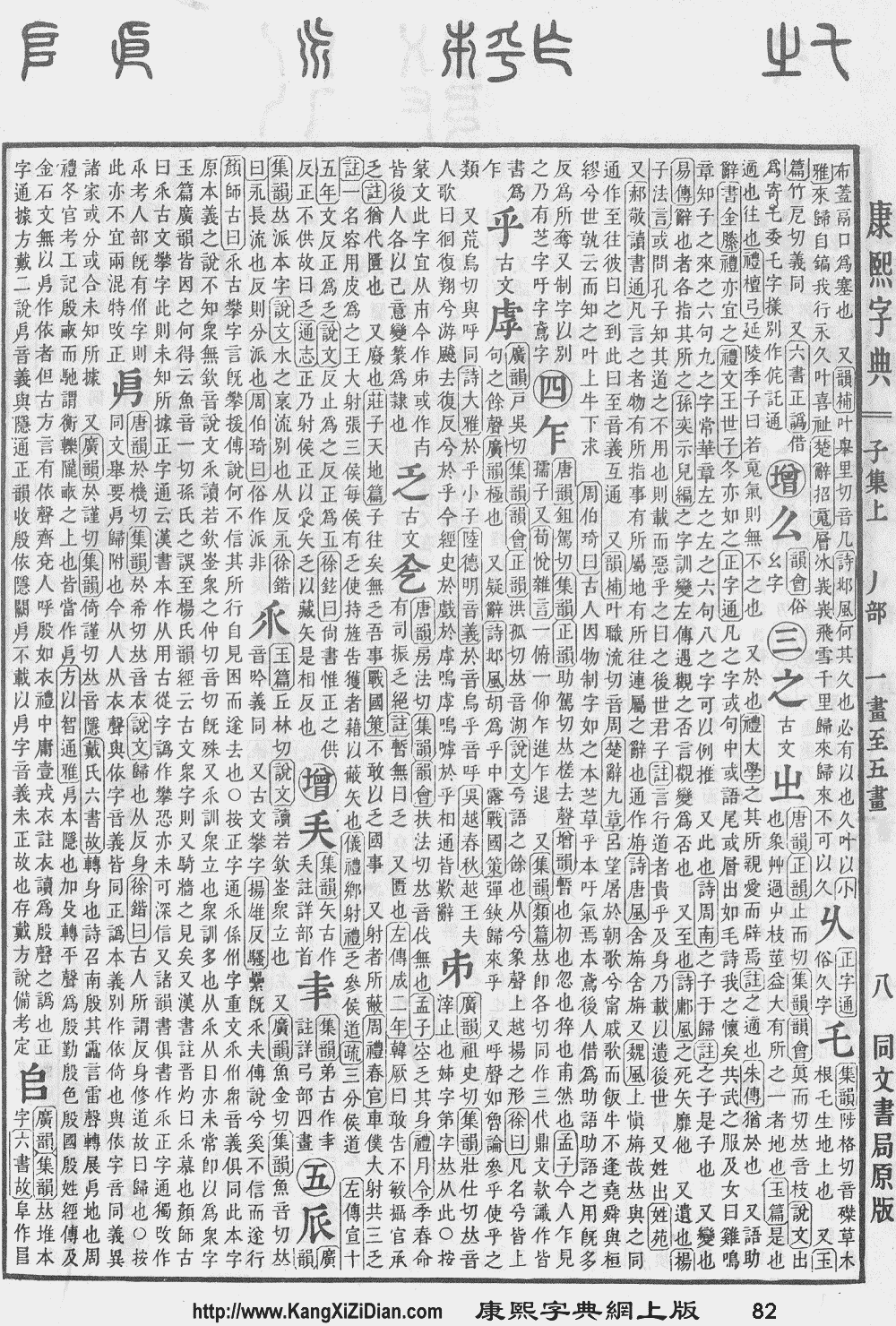
- Kangxi Dictionary: page 82, character 4
- Dai Kanwa Jiten: character 125
- Hanyu Da Zidian (first edition): volume 1, page 43, character 1
- Unihan data for U+4E4B
Chinese edit
| simp. and trad. |
之 | |
|---|---|---|
| alternative forms | 㞢 𠔇 𡳿 の nonstandard | |
Glyph origin edit
| Historical forms of the character 之 | ||||||||||||||||||||||||||||||||||||||||||||||||||||||||||||||||||||||||||||||||||||||||||||||||||||||||||||||||||||||||||||||||||||||||||||||||||||||||||||||||||||||||||||||||||||||||||||||||||||||||||||||||||||||||||||||||||||||||||||||||||||
|---|---|---|---|---|---|---|---|---|---|---|---|---|---|---|---|---|---|---|---|---|---|---|---|---|---|---|---|---|---|---|---|---|---|---|---|---|---|---|---|---|---|---|---|---|---|---|---|---|---|---|---|---|---|---|---|---|---|---|---|---|---|---|---|---|---|---|---|---|---|---|---|---|---|---|---|---|---|---|---|---|---|---|---|---|---|---|---|---|---|---|---|---|---|---|---|---|---|---|---|---|---|---|---|---|---|---|---|---|---|---|---|---|---|---|---|---|---|---|---|---|---|---|---|---|---|---|---|---|---|---|---|---|---|---|---|---|---|---|---|---|---|---|---|---|---|---|---|---|---|---|---|---|---|---|---|---|---|---|---|---|---|---|---|---|---|---|---|---|---|---|---|---|---|---|---|---|---|---|---|---|---|---|---|---|---|---|---|---|---|---|---|---|---|---|---|---|---|---|---|---|---|---|---|---|---|---|---|---|---|---|---|---|---|---|---|---|---|---|---|---|---|---|---|---|---|---|---|---|---|---|---|---|---|---|---|---|---|---|---|---|---|---|---|---|
| Shang | Western Zhou | Warring States | Shuowen Jiezi (compiled in Han) | Liushutong (compiled in Ming) | ||||||||||||||||||||||||||||||||||||||||||||||||||||||||||||||||||||||||||||||||||||||||||||||||||||||||||||||||||||||||||||||||||||||||||||||||||||||||||||||||||||||||||||||||||||||||||||||||||||||||||||||||||||||||||||||||||||||||||||||||
| Oracle bone script | Bronze inscriptions | Chu slip and silk script | Small seal script | Transcribed ancient scripts | ||||||||||||||||||||||||||||||||||||||||||||||||||||||||||||||||||||||||||||||||||||||||||||||||||||||||||||||||||||||||||||||||||||||||||||||||||||||||||||||||||||||||||||||||||||||||||||||||||||||||||||||||||||||||||||||||||||||||||||||||

|

|

|

|

| ||||||||||||||||||||||||||||||||||||||||||||||||||||||||||||||||||||||||||||||||||||||||||||||||||||||||||||||||||||||||||||||||||||||||||||||||||||||||||||||||||||||||||||||||||||||||||||||||||||||||||||||||||||||||||||||||||||||||||||||||
| ||||||||||||||||||||||||||||||||||||||||||||||||||||||||||||||||||||||||||||||||||||||||||||||||||||||||||||||||||||||||||||||||||||||||||||||||||||||||||||||||||||||||||||||||||||||||||||||||||||||||||||||||||||||||||||||||||||||||||||||||||||
|
References:
Mostly from Richard Sears' Chinese Etymology site (authorisation),
| ||||||||||||||||||||||||||||||||||||||||||||||||||||||||||||||||||||||||||||||||||||||||||||||||||||||||||||||||||||||||||||||||||||||||||||||||||||||||||||||||||||||||||||||||||||||||||||||||||||||||||||||||||||||||||||||||||||||||||||||||||||


Ideogrammic compound (會意/会意) : 止 (“foot”) + 一 (“the beginning place”); compound meaning “to go”.
Etymology edit
- demonstrative pronoun "this; he; she; it"
- From Proto-Sino-Tibetan *m-daj ~ m-di (“that; this”) (STEDT). Cognate with 是 (OC *djeʔ, “this”), Tibetan དེ (de, “that”), Tibetan འདི ('di, “this”), Burmese ဒီ (di, “this”).
- "to go; to proceed"
- Cognate with 時 (OC *djɯ, “time; season”) (> 辰 (OC *djɯn, “date; time”)), 志 (OC *tjɯs, “goal”), 趾 (OC *kjɯʔ, “foot”) (> 止 (OC *kjɯʔ, “to stop”)), Burmese စ (ca., “to start; to begin”) (Schuessler, 2007).
Pronunciation edit
Definitions edit
之
- (literary) to go
- 吾欲之楚。 [Classical Chinese, trad. and simp.]
- From: Zhanguo Ce, circa 5th – 3rd centuries BCE
- Wú yù zhī chǔ. [Pinyin]
- I want to go to Chu.
- (obsolete) this; these
- 之子于歸。 [Pre-Classical Chinese, trad.]
- From: The Classic of Poetry, c. 11th – 7th centuries BCE, translated based on James Legge's version
- Zhī zǐ yúguī. [Pinyin]
- This girl is to get married.
之子于归。 [Pre-Classical Chinese, simp.]
- (literary) Genitive or attributive marker
- Indicates that the previous word has possession of the next one.
- 天其永我命于茲新邑,紹復先王之大業,厎綏四方。 [Classical Chinese, trad.]
- From: The Book of Documents, circa 4th – 3rd century BCE
- Tiān qí yǒng wǒ mìng yú zī xīn yì, shàofù xiānwáng zhī dàyè, dǐsuí sìfāng. [Pinyin]
- Heaven will perpetuate its decree in our favour in this new city; the great inheritance of the former kings will be continued and renewed, and tranquillity will be secured to the four quarters (of the kingdom)
天其永我命于兹新邑,绍复先王之大业,厎绥四方。 [Classical Chinese, simp.]- 第二條關係雙方當事人之住所,由雙方共同協議;未為協議或協議不成時,得聲請法院定之。 [MSC, trad.]
- From: 2019 May 17, 《司法院釋字第七四八號解釋施行法》
- Dì-èr tiáo guānxì shuāngfāng dāngshìrén zhī zhùsuǒ, yóu shuāngfāng gòngtóng xiéyì; wèi wéi xiéyì huò xiéyì bùchéng shí, dé shēngqǐng fǎyuàn dìng zhī. [Pinyin]
- (please add an English translation of this usage example)
第二条关系双方当事人之住所,由双方共同协议;未为协议或协议不成时,得声请法院定之。 [MSC, simp.]
- Indicates that the previous word modifies the next one.
- 尺寸之功 ― chǐcùnzhīgōng ― a minor contribution
- 萬乘之國弒其君者,必千乘之家。 [Classical Chinese, trad.]
- From: Mencius, c. 4th century BCE
- Wànshèng zhī guó shì qí jūn zhě, bì qiānshèng zhī jiā. [Pinyin]
- In the kingdom of ten thousand chariots, the murderer of his sovereign shall be the chief of a family of a thousand chariots.
万乘之国弑其君者,必千乘之家。 [Classical Chinese, simp.]- 相同性別之二人,得為經營共同生活之目的,成立具有親密性及排他性之永久結合關係。 [MSC, trad.]
- From: 2019 May 17, 《司法院釋字第七四八號解釋施行法》
- Xiàngtóng xìngbié zhī èr rén, dé wèi jīngyíng gòngtóng shēnghuó zhī mùde, chénglì jùyǒu qīnmìxìng jí páitāxìng zhī yǒngjiǔ jiéhé guānxì. [Pinyin]
- (please add an English translation of this usage example)
相同性别之二人,得为经营共同生活之目的,成立具有亲密性及排他性之永久结合关系。 [MSC, simp.]
- particle indicating that the preceding element is specialised or qualified by the next
- Indicates that the previous word has possession of the next one.
- (archaic) Particle infixed in a subject-predicate construct acting as a nominalizer or indicating a subordinate clause.
- 大道之行也,天下為公。 [Classical Chinese, trad.]
- From: The Book of Rites, c. 4th – 2nd century BCE, translated based on James Legge's version
- Dàdào zhī xíng yě, tiānxià wèi gōng. [Pinyin]
- When the Grand Course was pursued, a public and common spirit ruled all under the sky.
大道之行也,天下为公。 [Classical Chinese, simp.]
- (literary) The third-person pronoun: him, her, it, them, when it appears in a non-subject position in the sentence.
- 取而代之 ― qǔ'érdàizhī ― to take the place of (the aforementioned subject)
- 第二條關係雙方當事人之住所,由雙方共同協議;未為協議或協議不成時,得聲請法院定之。 [MSC, trad.]
- From: 2019 May 17, 《司法院釋字第七四八號解釋施行法》
- Dì-èr tiáo guānxì shuāngfāng dāngshìrén zhī zhùsuǒ, yóu shuāngfāng gòngtóng xiéyì; wèi wéi xiéyì huò xiéyì bùchéng shí, dé shēngqǐng fǎyuàn dìng zhī. [Pinyin]
- The residence of both involved parties with the relationship described in the second article is to be jointly settled by both parties; when it has not been settled, or the settlement was unsuccessful, they may request the court to determine it.
第二条关系双方当事人之住所,由双方共同协议;未为协议或协议不成时,得声请法院定之。 [MSC, simp.]
Usage notes edit
Remember that Chinese grammar is more about reducing ambiguity and less about following rules. The other meanings of this word all stem from the 3rd pronoun and demonstrative meaning (except the "to go" meaning which is unrelated). It roughly means "him, it, this" > "his, its" > "'s"/qualifier. Compare 其 (OC *ɡɯ, “he, his, its”) > Min Nan possessive 個.
Juxtaposition alone can indicate possession or qualification in Chinese even without this word. The actual purpose of this word is to act like a comma to group the words before it as a noun clause and prevent what comes after from being interpreted as the object of a verb. Consider "上山道" whence "上之山道" (mountain road that is up there) and "上山之道" (road for climbing a mountain). Like 的, unambiguous and popular compounds like 食品 (shípǐn) drop the 之 (zhī). Other grammatical characters also work by enforcing a grouping of words. Modern Chinese fossilizes this word and uses 的 instead, which originated from either 之 or 者 (OC *tjaːʔ, “one who > relativiser”), and took on the "'s"/qualifier meaning.
之 (zhī) as a pronoun, functions like a noun determiner while 然 (rán) is a verb determiner. Consider "食此藥!若不食之, 將死" which would mean "Eat this medicine! If you don't [eat] this (like if you eat some other medicine), you'll die" and contrast "食此藥!不然(=若不食), 將死" which would mean "Eat this medicine! If you don't do this (or if you do something else), you'll die."
Synonyms edit
Compounds edit
- 一丘之貉 (yīqiūzhīhé)
- 一世之雄
- 一之為甚/一之为甚 (yīzhīwéishèn)
- 一之謂甚/一之谓甚
- 一人之交
- 一以貫之/一以贯之 (yīyǐguànzhī)
- 一偏之見/一偏之见 (yīpiānzhījiàn)
- 一勇之夫
- 一孔之見/一孔之见 (yīkǒngzhījiàn)
- 一字之師/一字之师 (yīzìzhīshī)
- 一家之主 (yījiāzhīzhǔ)
- 一家之學/一家之学
- 一家之言 (yījiāzhīyán)
- 一家之說/一家之说
- 一家之論/一家之论
- 一己之私 (yījǐzhīsī)
- 一己之見/一己之见 (yījǐzhījiàn)
- 一席之地 (yīxízhīdì)
- 一得之功 (yīdézhīgōng)
- 一得之愚 (yīdézhīyú)
- 一得之見/一得之见
- 一念之差 (yīniànzhīchā)
- 一念之錯/一念之错
- 一念之間/一念之间 (yīniànzhījiān)
- 一技之長/一技之长 (yījìzhīcháng)
- 一日之長/一日之长
- 一日之雅
- 一時之急/一时之急
- 一時之秀/一时之秀
- 一時之選/一时之选
- 一時之間/一时之间
- 一氣之下/一气之下 (yīqì zhīxià)
- 一狐之腋
- 一畝之宮/一亩之宫
- 一矢之地
- 一笑置之 (yīxiàozhìzhī)
- 一箭之仇
- 一箭之地 (yījiànzhīdì)
- 一經之訓/一经之训
- 一臂之力 (yībìzhīlì)
- 一言蔽之 (yīyánbìzhī)
- 一走了之 (yīzǒuliǎozhī)
- 一隅之地
- 一隅之見/一隅之见
- 一面之交 (yīmiànzhījiāo)
- 一面之緣/一面之缘
- 一面之詞/一面之词 (yīmiànzhīcí)
- 一面之識/一面之识
- 一面之雅
- 一飯之恩/一饭之恩
- 七國之亂/七国之乱
- 七年之癢/七年之痒 (qīniánzhīyǎng)
- 七步之才
- 三侯之章
- 三寸之舌
- 三年之喪/三年之丧 (sān nián zhī sāng)
- 三藩之亂/三藩之乱 (Sānfānzhīluàn)
- 下車之始/下车之始
- 不世之功
- 不世之藝/不世之艺
- 不了之局
- 不了了之 (bùliǎoliǎozhī)
- 不傳之祕/不传之秘
- 不具之人
- 不刊之典
- 不刊之書/不刊之书
- 不刊之論/不刊之论 (bùkānzhīlùn)
- 不勝之態/不胜之态
- 不堪之物
- 不平之氣/不平之气
- 不平之鳴/不平之鸣 (bùpíngzhīmíng)
- 不幸之幸 (bùxìngzhīxìng)
- 不急之務/不急之务
- 不情之請/不情之请 (bùqíngzhīqǐng)
- 不意之中
- 不敗之地/不败之地 (bùbàizhīdì)
- 不易之論/不易之论 (bùyìzhīlùn)
- 不時之需/不时之需 (bùshízhīxū)
- 不時之須/不时之须
- 不毛之地 (bùmáozhīdì)
- 不法之徒 (bùfǎzhītú)
- 不治之症 (bùzhìzhīzhèng)
- 不測之淵/不测之渊
- 不測之禍/不测之祸
- 不白之冤 (bùbáizhīyuān)
- 不祥之兆 (bùxiángzhīzhào)
- 不經之談/不经之谈 (bùjīngzhītán)
- 不義之財/不义之财 (bùyìzhīcái)
- 不肖之徒
- 不臣之心 (bùchén zhī xīn)
- 不舞之鶴/不舞之鹤
- 不良之心
- 不虞之譽/不虞之誉 (bùyúzhīyù)
- 不虞之隙
- 不解之仇
- 不解之緣/不解之缘 (bùjiězhīyuán)
- 不言之教
- 不諱之變/不讳之变
- 不識之無/不识之无 (bùshízhīwú)
- 不起之病
- 不足之症
- 不軌之心/不轨之心
- 不速之客 (bùsùzhīkè)
- 不逞之徒 (bùchěngzhītú)
- 不食之地
- 世俗之見/世俗之见
- 並頭之花/并头之花
- 中冓之言
- 中國之春/中国之春
- 中庸之道 (zhōngyōng zhī dào)
- 中懣之症/中懑之症
- 中途之家
- 久之 (jiǔzhī)
- 久而久之 (jiǔ'érjiǔzhī)
- 之乎者也 (zhīhūzhěyě)
- 之前 (zhīqián)
- 之外 (zhīwài)
- 之子
- 之字路 (zhīzìlù)
- 之後/之后 (zhīhòu)
- 之死靡他
- 之死靡它
- 之江 (Zhījiāng)
- 之無/之无 (zhīwú)
- 之間/之间 (zhījiān)
- 乘人之危 (chéngrénzhīwēi)
- 乘人之厄
- 九世之仇 (jiǔshìzhīchóu)
- 九五之位
- 九五之尊 (jiǔwǔzhīzūn)
- 于飛之樂/于飞之乐
- 五子之歌
- 五尺之童
- 井底之蛙 (jǐngdǐzhīwā)
- 井蛙之見/井蛙之见
- 亡命之徒 (wángmìngzhītú)
- 亡國之音/亡国之音 (wángguó zhī yīn)
- 交臂失之 (jiāobìshīzhī)
- 人中之龍/人中之龙 (rénzhōngzhīlóng)
- 人之常情 (rénzhīchángqíng)
- 人情之常 (rénqíngzhīcháng)
- 什一之利
- 仁愛之家/仁爱之家
- 今昔之感
- 仁義之師/仁义之师
- 付之一哂
- 付之一嘆/付之一叹
- 付之一炬 (fùzhīyījù)
- 付之一笑 (fùzhīyīxiào)
- 付之春夢/付之春梦
- 付之東流/付之东流 (fùzhīdōngliú)
- 付之流水
- 付之烏有/付之乌有
- 付之闕如/付之阙如
- 他山之攻
- 他山之石
- 仰之彌高/仰之弥高 (yǎngzhīmígāo)
- 伐性之斧
- 何之
- 伯仲之間/伯仲之间
- 何功之有
- 何罪之有 (hézuìzhīyǒu)
- 何見之晚/何见之晚
- 伯道之憂/伯道之忧
- 來之不易/来之不易 (láizhībùyì)
- 保家之主
- 侯景之亂/侯景之乱
- 俟河之清
- 俯仰之間/俯仰之间 (fǔyǎngzhījiān)
- 倘來之物/倘来之物 (tǎngláizhīwù)
- 倒屣迎之
- 倒懸之危/倒悬之危 (dàoxuánzhīwēi)
- 倒懸之急/倒悬之急
- 倒懸之苦/倒悬之苦
- 倚門之娼/倚门之娼
- 倚閭之望/倚闾之望
- 偶一為之/偶一为之
- 偏激之詞/偏激之词
- 傳家之寶/传家之宝
- 傷弓之鳥/伤弓之鸟
- 儋石之畜
- 儻來之物/傥来之物 (tǎngláizhīwù)
- 元微之
- 先入之見/先入之见 (xiānrùzhījiàn)
- 先見之明/先见之明 (xiānjiànzhīmíng)
- 兒女之情/儿女之情
- 入幕之賓/入幕之宾
- 內顧之憂/内顾之忧
- 全身之計/全身之计
- 兩姓之好/两姓之好
- 八拜之交 (bābàizhījiāo)
- 八斗之才
- 八王之亂/八王之乱 (Bā Wáng Zhī Luàn)
- 公卿之門/公卿之门
- 六尺之孤
- 公餘之暇/公余之暇
- 兵廚之擾/兵厨之扰
- 兵革之禍/兵革之祸
- 兼之 (jiānzhī)
- 兼而有之 (jiān'éryǒuzhī)
- 再生之德
- 再生之恩
- 再造之恩 (zàizàozhī'ēn)
- 冠世之才
- 冥冥之中
- 出倫之才/出伦之才
- 出閣之喜/出阁之喜
- 出頭之日/出头之日
- 分天之仇
- 切膚之痛/切肤之痛
- 切骨之仇
- 刎頸之交/刎颈之交 (wěnjǐngzhījiāo)
- 初生之犢/初生之犊 (chūshēngzhīdú)
- 前車之鑒/前车之鉴
- 前車之鑑/前车之鉴
- 勝之不武/胜之不武 (shèngzhībùwǔ)
- 勢利之交/势利之交
- 匍匐之救
- 北京之春
- 北方之強/北方之强
- 北門之歎/北门之叹
- 匡濟之才/匡济之才
- 匪石之心
- 匪躬之操
- 匪躬之節/匪躬之节
- 匹夫之勇 (pǐfūzhīyǒng)
- 十之八九 (shízhībājiǔ)
- 十月之交
- 十畝之間/十亩之间
- 千金之子
- 千金之家
- 升斗之祿
- 半師之分/半师之分
- 半箭之功
- 半面之交
- 半面之舊/半面之旧
- 卑梁之釁
- 南方之強/南方之强
- 卵翼之恩
- 即墨之戰/即墨之战
- 卻之不恭/却之不恭
- 去就之分
- 反掌之易
- 取之不竭 (qǔzhībùjié)
- 受之有愧
- 受人之託/受人之托
- 取而代之 (qǔ'érdàizhī)
- 口耳之學/口耳之学
- 口腹之欲 (kǒufùzhīyù)
- 口舌之便
- 口舌之快
- 口頭之交/口头之交
- 口體之養/口体之养
- 古之君子
- 可乘之機/可乘之机 (kěchéngzhījī)
- 可乘之隙
- 古人之風/古人之风
- 可造之材 (kězàozhīcái)
- 同名之累
- 向平之願/向平之愿
- 同氣之光/同气之光
- 同氣之情/同气之情
- 同聲之誼/同声之谊
- 同舟之誼/同舟之谊
- 名門之後/名门之后
- 君子之交
- 吹灰之力 (chuīhuīzhīlì)
- 吞舟之魚/吞舟之鱼
- 命世之才 (mìngshì zhī cái)
- 呼之欲出 (hūzhīyùchū)
- 和隋之珍
- 咫尺之地
- 問罪之師/问罪之师
- 喪家之犬/丧家之犬 (sàngjiāzhīquǎn)
- 喪家之狗/丧家之狗 (sàngjiāzhīgǒu)
- 喪明之痛/丧明之痛
- 喬松之壽/乔松之寿
- 喬遷之喜/乔迁之喜 (qiáoqiānzhīxǐ)
- 嗤之以鼻 (chīzhīyǐbí)
- 嗜之如命
- 嗟來之食/嗟来之食 (jiēláizhīshí)
- 嗜痂之癖
- 四戰之國/四战之国
- 四戰之地/四战之地
- 回天之力
- 回祿之災/回禄之灾
- 困獸之鬥/困兽之斗
- 國之楨榦/国之桢干
- 國之貳/国之贰
- 土木之變/土木之变
- 地主之誼/地主之谊
- 地利之便
- 在天之靈/在天之灵 (zàitiānzhīlíng)
- 在陳之厄/在陈之厄
- 均之
- 坎井之蛙
- 垂白之親/垂白之亲
- 城下之盟 (chéngxiàzhīméng)
- 堂而皇之 (táng'érhuángzhī)
- 壟畝之臣/垄亩之臣
- 壯室之秋/壮室之秋
- 多事之秋 (duōshìzhīqiū)
- 夢熊之喜/梦熊之喜
- 大同之世
- 大唐之歌
- 大學之道/大学之道
- 大將之風/大将之风
- 大快之事
- 大方之家
- 大有之年
- 大比之年
- 大比之期
- 大而化之 (dà'érhuàzhī)
- 大通之年
- 天之驕子/天之骄子 (tiān zhī jiāozǐ)
- 天人之際/天人之际
- 天作之合 (tiānzuòzhīhé)
- 天倫之慘/天伦之惨
- 天倫之樂/天伦之乐 (tiānlúnzhīlè)
- 天假之年
- 天地之別/天地之别
- 天壤之別/天壤之别 (tiānrǎngzhībié)
- 天壤之判
- 天奪之魄/天夺之魄
- 天寶之亂/天宝之乱
- 太平之治
- 天府之國/天府之国 (tiānfǔ zhī guó)
- 天日之表
- 天淵之別/天渊之别 (tiānyuānzhībié)
- 天縱之才/天纵之才
- 太阿之柄
- 太陰之象/太阴之象
- 失之交臂 (shīzhījiāobì)
- 夯鐵之夫/夯铁之夫
- 奔走之友
- 如之何 (rúzhīhé)
- 如之奈何 (rú zhī nàihé)
- 好事之徒
- 好生之德 (hàoshēngzhīdé)
- 如簧之舌
- 好自為之/好自为之
- 好色之徒 (hàosèzhītú)
- 姑妄聽之/姑妄听之
- 姑妄言之
- 姦人之雄/奸人之雄
- 婦人之仁/妇人之仁 (fùrénzhīrén)
- 媒妁之言
- 嫠緯之憂/嫠纬之忧
- 子春之疾
- 孔孟之道 (Kǒng-Mèng zhī dào)
- 季孟之間/季孟之间
- 季常之懼/季常之惧
- 孫山之外/孙山之外
- 安之若命
- 安之若素 (ānzhīruòsù)
- 安史之亂/安史之乱 (Ān Shǐ Zhī Luàn)
- 安身之地
- 安身之所
- 安身之處/安身之处
- 宋襄之仁 (sòngxiāngzhīrén)
- 定之方中
- 官渡之戰/官渡之战
- 害群之馬/害群之马 (hàiqúnzhīmǎ)
- 容身之地
- 容身之所
- 寄養之家/寄养之家
- 寒泉之思
- 寢丘之志/寝丘之志
- 將伯之助/将伯之助
- 將門之子/将门之子
- 導引之術/导引之术
- 導氣之術/导气之术
- 小兒之態/小儿之态
- 小兒之見/小儿之见
- 小大由之
- 尸鳩之仁
- 尸鳩之平
- 尺土之柄
- 尺寸之功 (chǐcùn zhī gōng)
- 尺寸之地
- 尺蠖之屈
- 尾生之信
- 居之不疑
- 屠狗之輩/屠狗之辈
- 屠龍之技/屠龙之技
- 履霜之戒
- 崩城之哭
- 巖牆之下/岩墙之下
- 巖穴之士/岩穴之士
- 巫山之夢/巫山之梦
- 巫山之會/巫山之会
- 巫蠱之獄/巫蛊之狱
- 市井之人
- 市井之徒 (shìjǐngzhītú)
- 市井之臣
- 布衣之交
- 布衣之怒
- 希世之寶/希世之宝
- 希世之珍
- 帝王之道
- 席上之珍
- 帶甲之勞/带甲之劳
- 平庸之輩/平庸之辈
- 并介之人
- 幹父之蠱/干父之蛊
- 床笫之私 (chuángzǐzhīsī)
- 庚子之役
- 庚癸之呼
- 廟堂之器/庙堂之器
- 廟廊之彥/庙廊之彦
- 弄璋之喜 (nòngzhāngzhīxǐ)
- 弄璋之慶/弄璋之庆
- 弄瓦之喜 (nòngwǎzhīxǐ)
- 弓矛之士
- 引玉之磚/引玉之砖 (yǐnyùzhīzhuān)
- 弦外之意
- 弦外之音 (xiánwàizhīyīn)
- 弭兵之會/弭兵之会
- 弱水之隔
- 強弩之末/强弩之末 (qiángnǔzhīmò)
- 彈丸之地/弹丸之地 (dànwánzhīdì)
- 彈指之間/弹指之间
- 彊弩之末/强弩之末 (qiángnǔzhīmò)
- 後來之秀/后来之秀
- 後起之秀/后起之秀 (hòuqǐzhīxiù)
- 後車之戒/后车之戒
- 後顧之患/后顾之患
- 後顧之憂/后顾之忧 (hòugùzhīyōu)
- 後顧之慮/后顾之虑
- 後顧之虞/后顾之虞
- 得勝之兵/得胜之兵
- 得勝之師/得胜之师 (déshèng zhī shī)
- 得意之事
- 得意之狀/得意之状
- 得意之色
- 得意之餘/得意之余
- 徙木之信
- 得而誅之/得而诛之
- 心嚮往之/心向往之
- 心腹之交 (xīnfù zhī jiāo)
- 心腹之患 (xīnfùzhīhuàn)
- 心腹之憂/心腹之忧
- 心腹之疾
- 心頭之恨/心头之恨
- 必爭之地/必争之地 (bìzhēngzhīdì)
- 必經之路/必经之路 (bìjīngzhīlù)
- 忘年之交 (wàngniánzhījiāo)
- 忘年之契
- 忘年之好
- 忘形之交
- 忘形之契
- 志能之士
- 急人之困
- 急人之難/急人之难
- 性命之交
- 性命之憂/性命之忧
- 恨之入骨 (hènzhīrùgǔ)
- 恨之切骨 (hènzhīqiègǔ)
- 悔之不及
- 悔之亡及
- 悔之何及
- 悔之無及/悔之无及
- 悔之莫及 (huǐzhīmòjí)
- 悔毒之歎/悔毒之叹
- 患難之交/患难之交 (huànnànzhījiāo)
- 情之所鍾/情之所钟
- 惠州之役
- 愚公之居
- 惻怛之心/恻怛之心
- 意氣之爭/意气之争 (yìqìzhīzhēng)
- 愛莫之助/爱莫之助
- 惻隱之心/恻隐之心 (cèyǐnzhīxīn)
- 懸弧之慶/悬弧之庆
- 懷磚之俗/怀砖之俗
- 懸車之年/悬车之年
- 成人之美 (chéngrénzhīměi)
- 成康之治
- 戴天之仇
- 手足之情
- 手足之雅
- 投杼之惑
- 投杼之疑
- 投梭之拒
- 投鼠之忌
- 持久之計/持久之计
- 持之以恆/持之以恒 (chízhīyǐhéng)
- 持之有故 (chízhīyǒugù)
- 指南之助
- 持平之論/持平之论
- 挈瓶之知
- 指顧之際/指顾之际
- 捍難之功/捍难之功
- 掌上之珠
- 掠人之美
- 探春之宴
- 推而廣之/推而广之 (tuī'érguǎngzhī)
- 掎角之勢/掎角之势 (jījiǎo zhī shì)
- 揮之不去/挥之不去 (huīzhībùqù)
- 揚之水/扬之水
- 換言之/换言之 (huànyánzhī)
- 摽梅之年
- 撥亂之才/拨乱之才
- 撲蝶之會/扑蝶之会
- 操之在我
- 操之過急/操之过急 (cāozhīguòjí)
- 擎天之柱
- 擲地之材/掷地之材
- 攘人之美
- 救命之恩 (jiùmìngzhī'ēn)
- 敗軍之將/败军之将 (bàijūnzhījiāng)
- 敗鼓之皮/败鼓之皮
- 敝屣視之/敝屣视之
- 敬之
- 敬而遠之/敬而远之 (jìng'éryuǎnzhī)
- 文景之治
- 文武之道
- 斗升之水
- 斗升之祿
- 斗斛之祿
- 斗筲之人
- 斗筲之器
- 斗筲之徒
- 斗筲之才
- 斗筲之材
- 斗筲之輩
- 斷袖之寵/断袖之宠
- 方丈之饌/方丈之馔
- 方便之門/方便之门
- 方城之戰/方城之战
- 方外之人
- 方外之士
- 方寸之地
- 方寸之間/方寸之间
- 旦夕之危
- 旦夕之費/旦夕之费
- 旰食之勞/旰食之劳
- 昆弟之好
- 明智之舉/明智之举
- 明月之珠
- 明月之詩/明月之诗
- 易牙之味
- 明章之治
- 星星之火
- 是非之地
- 是非之心
- 晏開之警/晏开之警
- 晝錦之榮/昼锦之荣
- 普天之下 (pǔtiānzhīxià)
- 暴厲之氣/暴厉之气
- 暴戾之氣/暴戾之气
- 曠世之度/旷世之度
- 曲肱之樂/曲肱之乐
- 書生之見/书生之见
- 曹柯之盟
- 曹社之謀/曹社之谋
- 會任之家/会任之家
- 會稽之恥/会稽之耻
- 有夫之婦/有夫之妇 (yǒufūzhīfù)
- 有志之士 (yǒuzhìzhīshì)
- 有服之親/有服之亲
- 有杕之杜
- 有生之年 (yǒushēngzhīnián)
- 有識之士/有识之士 (yǒushízhīshì)
- 朋黨之爭/朋党之争
- 望雲之情/望云之情
- 期頤之壽/期颐之寿
- 末如之何
- 未定之天
- 未形之患
- 末路之難/末路之难
- 未竟之志
- 朽木之才
- 朱陳之好/朱陈之好
- 束之高閣/束之高阁 (shùzhīgāogé)
- 杞人之憂/杞人之忧
- 杜郵之戮/杜邮之戮
- 杯中之物 (bēizhōngzhīwù)
- 東南之美/东南之美
- 松喬之壽/松乔之寿
- 東家之子/东家之子
- 東山之志/东山之志
- 枕席之歡/枕席之欢
- 東方之日/东方之日
- 松柏之堅/松柏之坚
- 松柏之壽/松柏之寿
- 松柏之茂
- 杯水之謝/杯水之谢
- 松筠之操
- 松筠之節/松筠之节
- 東觀之殃/东观之殃
- 東道之情/东道之情
- 東門之墠/东门之𫮃
- 東門之枌/东门之枌
- 東門之楊/东门之杨
- 東門之池/东门之池
- 柱石之寄
- 柱石之臣
- 染絲之變/染丝之变
- 柏舟之痛
- 柏舟之節/柏舟之节
- 柏舟之誓
- 枯魚之肆/枯鱼之肆
- 桑中之約/桑中之约
- 桃之夭夭
- 桃李之教
- 桑梓之邦
- 桑蓬之志
- 桑間之音/桑间之音 (sāngjiānzhīyīn)
- 梧丘之魂
- 梧鼠之技
- 棄之可惜/弃之可惜
- 棟梁之任
- 棟梁之材
- 棟梁之臣
- 棉薄之力
- 樗朽之材
- 橫草之功/横草之功
- 權宜之計/权宜之计 (quányízhījì)
- 欲炙之色
- 欺人之談/欺人之谈
- 止足之分
- 正始之音
- 歷練之才/历练之才
- 歸之若水/归之若水
- 死生之交
- 殺生之柄/杀生之柄
- 殺生之權/杀生之权
- 殺身之禍/杀身之祸 (shāshēnzhīhuò)
- 毋望之福
- 毋望之禍/毋望之祸
- 毛髮之功/毛发之功
- 毫末之利
- 毫釐之差
- 水乳之契
- 水陸之饌/水陆之馔
- 永嘉之亂/永嘉之乱 (Yǒngjiā Zhī Luàn)
- 求之不得
- 求全之毀/求全之毁
- 江山之助
- 江海之學/江海之学
- 汗馬之功/汗马之功
- 汗馬之勞/汗马之劳
- 汗馬之績/汗马之绩
- 池魚之殃/池鱼之殃 (chíyúzhīyāng)
- 池魚之禍/池鱼之祸
- 沖天之怒/冲天之怒
- 汴水之戰/汴水之战
- 沙漠之舟 (shāmò zhī zhōu)
- 河女之章
- 泰山之安
- 泓水之戰/泓水之战
- 泛泛之交 (fànfànzhījiāo)
- 泛泛之輩/泛泛之辈
- 泰然居之
- 泰然處之/泰然处之 (tàiránchǔzhī)
- 泛駕之馬/泛驾之马
- 河魚之患/河鱼之患
- 河魚之疾/河鱼之疾
- 洪喬之誤/洪乔之误
- 洛閩之學/洛闽之学
- 浸潤之譖/浸润之谮
- 浩然之氣/浩然之气
- 淝水之戰/淝水之战
- 淞滬之戰/淞沪之战
- 淡然處之/淡然处之
- 涸轍之枯/涸辙之枯
- 涸轍之魚/涸辙之鱼
- 涸轍之鮒/涸辙之鲋 (hézhézhīfù)
- 涿鹿之戰/涿鹿之战
- 湖海之士
- 渭陽之思/渭阳之思
- 渭陽之情/渭阳之情
- 游食之民
- 溜之乎也
- 溜之大吉 (liūzhīdàjí)
- 滔天之罪
- 滅族之禍/灭族之祸 (mièzú zhī huò)
- 滄桑之變/沧桑之变
- 滅門之禍/灭门之祸
- 滅頂之災/灭顶之灾 (mièdǐngzhīzāi)
- 漁人之利/渔人之利 (yúrénzhīlì)
- 漏刻之間/漏刻之间
- 漸漸之石/渐渐之石
- 漠然置之 (mòránzhìzhī)
- 漏網之魚/漏网之鱼 (lòuwǎngzhīyú)
- 漁翁之利/渔翁之利 (yúwēngzhīlì)
- 潘安之貌
- 潘楊之睦/潘杨之睦
- 澆瓜之惠/浇瓜之惠
- 澠池之功/渑池之功
- 澶淵之盟/澶渊之盟
- 濮上之音 (púshàngzhīyīn)
- 濟世之才/济世之才
- 濟勝之具/济胜之具
- 瀝血之仇/沥血之仇
- 灌瓜之義/灌瓜之义
- 炎精之數/炎精之数
- 炊臼之夢/炊臼之梦
- 炊臼之戚
- 為今之計/为今之计
- 炮烙之刑
- 炳燭之明/炳烛之明
- 為難之處/为难之处
- 烏之雌雄/乌之雌雄
- 烏合之卒/乌合之卒
- 烏合之眾/乌合之众 (wūhézhīzhòng)
- 烏鳥之情/乌鸟之情
- 無人之地/无人之地
- 無人之境/无人之境 (wúrénzhījìng)
- 無以名之/无以名之
- 無任之祿/无任之禄
- 無價之寶/无价之宝 (wújiàzhībǎo)
- 無如之何/无如之何
- 焚如之刑
- 無妄之災/无妄之灾 (wúwàngzhīzāi)
- 無妄之禍/无妄之祸
- 無妄之福/无妄之福
- 焚如之禍/焚如之祸
- 無心之過/无心之过 (wúxīnzhīguò)
- 無恥之尤/无耻之尤 (wúchǐzhīyóu)
- 無方之民/无方之民
- 無服之喪/无服之丧
- 無服之殤/无服之殇
- 焚林之求
- 無疆之休/无疆之休
- 無稽之言/无稽之言
- 無稽之談/无稽之谈 (wújīzhītán)
- 無籍之徒/无籍之徒
- 無米之炊/无米之炊
- 煙火之警/烟火之警
- 熊丸之教
- 熊羆之士/熊罴之士
- 熊羆之祥/熊罴之祥
- 熊虎之士
- 燎原之火
- 燈火之資/灯火之资
- 燃眉之急 (ránméizhījí)
- 燒眉之急/烧眉之急
- 燮和之任
- 爪牙之士
- 爪牙之將/爪牙之将
- 父母之命
- 父母之邦
- 爾汝之交/尔汝之交
- 片面之言
- 片面之詞/片面之词 (piànmiànzhīcí)
- 牛之一毛
- 牛角之歌
- 牛馬之衣/牛马之衣
- 牢獄之災/牢狱之灾 (láoyùzhīzāi)
- 牧神之笛
- 牧野之戰/牧野之战
- 犁牛之子
- 犄角之勢/犄角之势 (jījiǎo zhī shì)
- 犬吠之盜/犬吠之盗
- 犬吠之警
- 犬彘之食
- 犬馬之力/犬马之力 (quǎnmǎzhīlì)
- 犬馬之勞/犬马之劳 (quǎnmǎzhīláo)
- 犬馬之命/犬马之命
- 犬馬之報/犬马之报 (quǎnmǎzhībào)
- 犬馬之年/犬马之年
- 犬馬之心/犬马之心
- 犬馬之戀/犬马之恋
- 犬馬之疾/犬马之疾
- 犬馬之養/犬马之养
- 狐丘之誡/狐丘之诫
- 狐兔之悲
- 狗吠之警
- 狗吠之驚/狗吠之惊
- 狐虎之威
- 狗馬之心/狗马之心
- 狐鼠之徒
- 猶之乎/犹之乎
- 獨到之處/独到之处
- 獨到之見/独到之见
- 玄之又玄 (xuánzhīyòuxuán)
- 率土之濱/率土之滨
- 王佐之才
- 珠玉之論/珠玉之论
- 班美之戰/班美之战
- 琴瑟之好
- 瑚璉之器/瑚琏之器
- 瓜李之嫌
- 瓜田之嫌
- 瓜葛之親/瓜葛之亲
- 瓦合之卒
- 瓦釜之鳴/瓦釜之鸣
- 甕中之鱉/瓮中之鳖
- 甘之如薺/甘之如荠
- 甘之如飴/甘之如饴 (gānzhīrúyí)
- 甘之若素
- 甘之若飴/甘之若饴
- 甘棠之惠
- 甘露之變/甘露之变
- 甘馨之費/甘馨之费
- 生桑之夢/生桑之梦
- 生死之交
- 生殺之權/生杀之权
- 生而知之
- 生花之筆/生花之笔
- 生財之道/生财之道
- 用之不竭 (yòngzhībùjié)
- 用武之地
- 由中之言
- 田父之獲/田父之获
- 甲申之役
- 由衷之言
- 畎畝之中/畎亩之中
- 畢生之玷/毕生之玷
- 略識之無/略识之无
- 異類之人/异类之人
- 當之無愧/当之无愧 (dāngzhīwúkuì)
- 當務之急/当务之急 (dāngwùzhījí)
- 當勞之急/当劳之急
- 疇咨之憂/畴咨之忧
- 疾之如仇
- 疾之若仇
- 白圭之玷
- 白毫之賜/白毫之赐
- 白璧之瑕
- 白華之怨/白华之怨
- 白象之國/白象之国
- 白頭之歎/白头之叹
- 白首之心
- 百世之人
- 百世之利
- 百世之師/百世之师
- 百乘之家 (bǎishèng zhī jiā)
- 百分之百 (bǎifēnzhībǎi)
- 百城之富
- 百姓之心
- 百家之言
- 百年之好
- 百年之後/百年之后 (bǎiniánzhīhòu)
- 百年之柄
- 百年之業/百年之业
- 百歲之好/百岁之好
- 百歲之後/百岁之后
- 百獸之王/百兽之王
- 百萬之眾/百万之众
- 百舌之聲/百舌之声
- 百足之蟲/百足之虫 (bǎizúzhīchóng)
- 百里之才
- 百金之士
- 百鍊之鋼/百炼之钢
- 百鎰之金/百镒之金
- 百龍之智/百龙之智
- 皋魚之泣/皋鱼之泣
- 皮肉之傷/皮肉之伤
- 盈尺之地
- 盈滿之咎/盈满之咎
- 監門之養/监门之养
- 盤石之固/盘石之固
- 盤石之安/盘石之安
- 直躬之信
- 相形之下
- 眉睫之內/眉睫之内
- 眉睫之利
- 眉睫之禍/眉睫之祸
- 眷眷之心
- 眾矢之的/众矢之的 (zhòngshǐzhīdì)
- 睚眥之嫌/睚眦之嫌
- 睚眥之怨/睚眦之怨
- 睚眥之私/睚眦之私
- 睚眥之隙/睚眦之隙
- 瞬息之間/瞬息之间
- 矢石之間/矢石之间
- 矢石之難/矢石之难
- 知人之明 (zhīrénzhīmíng)
- 知命之年 (zhīmìngzhīnián)
- 知性之旅
- 知遇之恩
- 知魚之樂/知鱼之乐
- 短長之說/短长之说
- 矰繳之說/矰缴之说
- 砧上之肉
- 破竹之勢/破竹之势
- 破鏡之憂/破镜之忧
- 磐石之固
- 磨盾之暇
- 祁奚之舉/祁奚之举
- 社稷之器
- 社稷之臣 (shèjì zhī chén)
- 神來之筆/神来之笔
- 祿山之爪/禄山之爪
- 禮義之邦/礼义之邦
- 萬乘之國/万乘之国
- 萬乘之尊/万乘之尊
- 萬人之敵/万人之敌
- 萬全之策/万全之策
- 萬全之計/万全之计
- 萬物之靈/万物之灵
- 禽犢之愛/禽犊之爱
- 萬里之望
- 萬金之軀/万金之躯
- 禿妃之髮/秃妃之发
- 秋毫之末
- 秦庭之哭
- 秦晉之好/秦晋之好
- 秦晉之緣/秦晋之缘
- 移木之信
- 稽古之力
- 穴處之徒/穴处之徒
- 穿窬之盜/穿窬之盗
- 窮池之魚/穷池之鱼
- 窮途之哭/穷途之哭
- 竊簪之臣/窃簪之臣
- 立談之間/立谈之间
- 立足之地
- 立錐之土/立锥之土
- 立錐之地/立锥之地
- 竹林之游
- 竹馬之友/竹马之友
- 竹馬之好/竹马之好
- 等而下之 (děng'érxiàzhī)
- 等閒之輩/等闲之辈 (děngxiánzhībèi)
- 等閒視之/等闲视之
- 箕山之志
- 箕山之節/箕山之节
- 箕帚之使
- 管窺之見/管窥之见
- 管鮑之交/管鲍之交 (guǎnbàozhījiāo)
- 籠中之鳥/笼中之鸟
- 米粒之珠
- 粲花之論/粲花之论
- 糟糠之妻 (zāokāngzhīqī)
- 糜糜之音 (mímízhīyīn)
- 紅葉之題/红叶之题
- 累卵之危
- 終天之恨/终天之恨 (zhōngtiānzhīhèn)
- 終天之慕/终天之慕
- 終焉之志/终焉之志
- 終食之間/终食之间
- 絲綢之路/丝绸之路 (Sīchóu zhī Lù)
- 絲髮之功/丝发之功
- 經世之才/经世之才
- 經典之作/经典之作
- 經國之才/经国之才
- 經濟之才/经济之才
- 綈袍之賜/绨袍之赐
- 綈袍之贈/绨袍之赠
- 經驗之談/经验之谈
- 維天之命/维天之命
- 綺紈之歲/绮纨之岁
- 緩兵之計/缓兵之计 (huǎnbīngzhījì)
- 縛雞之力/缚鸡之力
- 總之/总之 (zǒngzhī)
- 總而言之/总而言之 (zǒng'éryánzhī)
- 總角之交/总角之交
- 總角之好/总角之好
- 繞梁之音
- 繩之以法/绳之以法 (shéngzhīyǐfǎ)
- 繩樞之士/绳枢之士
- 繫臂之寵/系臂之宠
- 繩墨之言/绳墨之言
- 纓緌之徒/缨𮉫之徒
- 罔極之恩/罔极之恩
- 置之不理 (zhìzhībùlǐ)
- 置之不顧/置之不顾
- 置之度外 (zhìzhīdùwài)
- 置之腦後/置之脑后
- 置之高閣/置之高阁
- 置水之情
- 置水之清
- 置足之地
- 置錐之地/置锥之地
- 羅蘭之歌/罗兰之歌
- 羊左之誼/羊左之谊
- 羊陸之交/羊陆之交
- 義方之訓/义方之训
- 群起攻之
- 翰苑之光
- 翻手之間/翻手之间 (fān shǒu zhī jiān)
- 老成之見/老成之见
- 而立之年 (érlìzhīnián)
- 耒耜之勤
- 耒耨之利
- 耒耨之教
- 耳目之娛/耳目之娱
- 耳目之欲
- 耳順之年/耳顺之年 (ěrshùnzhīnián)
- 耳食之聞/耳食之闻
- 耳食之言
- 耳食之談/耳食之谈
- 耿介之士
- 聚沙之年
- 聽之任之/听之任之 (tīngzhīrènzhī)
- 聾者之歌/聋者之歌
- 肌膚之愛/肌肤之爱
- 肌膚之親/肌肤之亲 (jīfūzhīqīn)
- 肘腋之患
- 肘腋之憂/肘腋之忧
- 股掌之上 (gǔ zhǎng zhī shàng)
- 肩擔之家/肩担之家 (jiāndànzhījiā)
- 股肱之力
- 肺腑之言 (fèifǔzhīyán)
- 胡藍之獄/胡蓝之狱
- 胯下之辱
- 脫俗之交/脱俗之交
- 脫韁之馬/脱缰之马
- 脣齒之邦/唇齿之邦
- 腐腸之藥/腐肠之药
- 腹心之友
- 腹心之患
- 腹心之疾
- 腹背之毛
- 膏粱之子
- 膏肓之疾
- 膏腴之地 (gāoyúzhīdì)
- 膠漆之情/胶漆之情
- 臉面之情/脸面之情
- 自全之計/自全之计
- 自知之明 (zìzhīzhīmíng)
- 興之所至/兴之所至
- 舉手之勞/举手之劳 (jǔshǒuzhīláo)
- 舌辯之士/舌辩之士
- 舐犢之愛/舐犊之爱
- 舞馬之災/舞马之灾
- 舟水之喻
- 花柳之姿
- 花燭之期/花烛之期
- 花甲之年 (huājiǎzhīnián)
- 芙蓉之精
- 芝蘭之化/芝兰之化
- 芝蘭之室/芝兰之室
- 苕之華/苕之华
- 草具之陳/草具之陈
- 荒唐之言
- 荊山之玉/荆山之玉
- 茵席之臣
- 草茅之臣
- 莫之與京/莫之与京 (mòzhīyǔjīng)
- 莫逆之交 (mònìzhījiāo)
- 莫逆之友
- 莫逆之契
- 菽水之歡/菽水之欢 (shúshuǐ zhī huān)
- 菽水之養/菽水之养 (shúshuǐ zhī yǎng)
- 華胥之夢/华胥之梦
- 葭莩之末
- 葭莩之親/葭莩之亲
- 葑菲之采
- 落蓐之身
- 葬身之地 (zàngshēnzhīdì)
- 蓋世之才/盖世之才
- 蒲柳之姿 (púliǔzhīzī)
- 蒲鞭之政
- 蕭牆之禍/萧墙之祸
- 蕃籬之鷃/蕃篱之𮭨
- 薪儲之費/薪储之费
- 薏苡之謗/薏苡之谤
- 藏之名山
- 藥石之言/药石之言
- 藩鎮之亂/藩镇之乱
- 蘭芷之室/兰芷之室
- 蘭麝之香/兰麝之香
- 虎狼之口
- 虎狼之國/虎狼之国
- 虎狼之師/虎狼之师 (hǔláng zhī shī)
- 虎狼之心
- 虎豹之文
- 處之泰然/处之泰然
- 虞芮之訟/虞芮之讼
- 蚊睫之蟲/蚊睫之虫
- 蚊虻之勞/蚊虻之劳
- 蝸角之爭/蜗角之争 (wōjiǎozhīzhēng)
- 螽斯之徵/螽斯之征
- 螽斯之慶/螽斯之庆
- 蟲篆之技/虫篆之技
- 蟻聚之兵/蚁聚之兵
- 蠻觸之爭/蛮触之争
- 血光之災/血光之灾
- 血氣之勇/血气之勇 (xuèqìzhīyǒng)
- 血肉之軀/血肉之躯 (xuèròuzhīqū)
- 行之有效 (xíngzhīyǒuxiào)
- 衛道之士/卫道之士 (wèidàozhīshì)
- 衢室之問/衢室之问
- 衣纓之族/衣缨之族
- 衣裳之會/衣裳之会
- 衣錦之榮/衣锦之荣
- 衣食之謀/衣食之谋
- 衾枕之樂/衾枕之乐
- 補壁之作/补壁之作
- 裘葛之遺/裘葛之遗
- 襁褓之年
- 西州之痛
- 西河之痛
- 要而言之
- 覆庇之恩
- 覆盂之固
- 覆盂之安
- 覆盆之冤
- 覆車之戒/覆车之戒
- 覆車之軌/覆车之轨
- 覆車之轍/覆车之辙
- 覆車之鑒/覆车之鉴
- 覆餗之患/覆𫗧之患
- 覆餗之憂/覆𫗧之忧
- 覆餗之釁/覆𫗧之衅
- 覬覦之心/觊觎之心
- 覬覦之志/觊觎之志
- 觸山之力/触山之力
- 言下之意 (yánxiàzhīyì)
- 言之不渝
- 言之不盡/言之不尽
- 言之不預/言之不预
- 言之成理 (yánzhīchénglǐ)
- 言之有物
- 言之有理 (yánzhīyǒulǐ)
- 言之無物/言之无物 (yánzhīwúwù)
- 言之過早/言之过早 (yánzhīguòzǎo)
- 言之過甚/言之过甚
- 言之鑿鑿/言之凿凿 (yánzhīzáozáo)
- 言外之意 (yánwàizhīyì)
- 託之空言/托之空言
- 詒厥之謀/诒厥之谋
- 詠雪之慧/咏雪之慧
- 詠雪之才/咏雪之才
- 誅心之論/诛心之论 (zhūxīnzhīlùn)
- 詩禮之家/诗礼之家
- 誌之不忘/志之不忘
- 誓泉之譏/誓泉之讥
- 諒山之戰/谅山之战
- 誹謗之木/诽谤之木
- 謀生之道/谋生之道
- 謏聞之陋/𫍲闻之陋
- 謇諤之風/謇谔之风
- 謬悠之說/谬悠之说
- 譎怪之談/谲怪之谈
- 譾薄之材/谫薄之材
- 變徵之聲/变征之声
- 變徵之音/变征之音 (biànzhǐzhīyīn)
- 豆萁之喻
- 負圖之托/负图之托
- 負日之暄/负日之暄
- 負薪之憂/负薪之忧
- 負薪之病/负薪之病
- 負薪之疾/负薪之疾
- 負薪之議/负薪之议
- 負薪之資/负薪之资
- 貞觀之治/贞观之治
- 負鼎之願/负鼎之愿
- 貪天之功/贪天之功
- 貫蝨之技/贯虱之技
- 貧賤之交/贫贱之交
- 貧賤之知/贫贱之知
- 貫魚之次/贯鱼之次
- 貪墨之風/贪墨之风
- 貴賤之別/贵贱之别
- 賓之初筵/宾之初筵
- 賣陣之計/卖阵之计
- 赤壁之戰/赤壁之战
- 赤子之心 (chìzǐzhīxīn)
- 赫斯之威
- 赫斯之怒
- 赫赫之光
- 赫赫之功
- 赫赫之名
- 走馬之任/走马之任
- 超世之才
- 趁人之危
- 趨之若鶩/趋之若鹜 (qūzhīruòwù)
- 跕鳶之悟/跕鸢之悟
- 蹈厲之志/蹈厉之志
- 蹇諤之風/蹇谔之风
- 身外之物 (shēnwàizhīwù)
- 車笠之盟/车笠之盟
- 車馬之勞/车马之劳
- 輔弼之勛/辅弼之勋
- 轉眼之間/转眼之间
- 轍鮒之急/辙鲋之急
- 辟人之士
- 迂直之計/迂直之计
- 迍邅之世
- 迫而察之
- 逃之夭夭 (táozhīyāoyāo)
- 逆耳之言
- 逢君之惡/逢君之恶
- 連城之價/连城之价
- 連城之珍/连城之珍
- 通家之好
- 逢掖之士
- 逐臭之夫
- 進履之謙/进履之谦
- 逸群之才
- 進身之計/进身之计 (jìnshēn zhī jì)
- 進身之階/进身之阶
- 過之/过之
- 過庭之訓/过庭之训
- 違心之言/违心之言
- 違心之論/违心之论
- 過江之鯽/过江之鲫
- 遷喬之望/迁乔之望
- 遺珠之憾/遗珠之憾
- 遲賓之館/迟宾之馆
- 避人之處/避人之处
- 邀天之幸
- 邂逅之緣/邂逅之缘
- 邦家之光
- 邲之戰/邲之战
- 邯鄲之夢/邯郸之梦
- 郭璞之說/郭璞之说
- 郾城之戰/郾城之战
- 都市之肺
- 鄉曲之譽/乡曲之誉
- 鄙夫之見/鄙夫之见
- 鄭衛之女/郑卫之女
- 鄭衛之曲/郑卫之曲
- 鄭衛之聲/郑卫之声
- 鄭衛之音/郑卫之音 (zhèngwèizhīyīn)
- 鄧通之財/邓通之财
- 配天之美
- 酒色之徒
- 醉翁之意
- 采石之役
- 采薪之憂
- 采薪之疾
- 金玉之言
- 金玉之論/金玉之论
- 金石之盟
- 金石之言
- 金蘭之交/金兰之交 (jīnlánzhījiāo)
- 釜中之魚/釜中之鱼
- 釜裡之魚/釜里之鱼
- 鉅鹿之戰/巨鹿之战
- 銜橛之變/衔橛之变
- 錐刀之利/锥刀之利
- 錐刀之末/锥刀之末
- 錐刀之用/锥刀之用
- 錦雉之衣/锦雉之衣
- 鎮家之寶/镇家之宝
- 鐘鼎之家/钟鼎之家
- 長久之計/长久之计
- 長君之惡/长君之恶
- 長平之戰/长平之战
- 門戶之爭/门户之争
- 門戶之見/门户之见
- 閨閣之臣/闺阁之臣
- 阱中之虎
- 阿保之功
- 阿保之勞/阿保之劳
- 附驥之尾/附骥之尾
- 除此之外 (chúcǐzhīwài)
- 陶猗之富
- 陸王之學/陆王之学
- 陳蔡之厄/陈蔡之厄
- 陽九之會/阳九之会
- 陽九之阨/阳九之阨
- 陽侯之患/阳侯之患
- 隋侯之珠
- 隨侯之珠/随侯之珠
- 雞黍之約/鸡黍之约
- 離婁之明/离娄之明
- 難言之隱/难言之隐 (nányánzhīyǐn)
- 雨露之恩
- 雲泥之別/云泥之别 (yúnnízhībié)
- 雲雨之歡/云雨之欢
- 雲霓之望/云霓之望
- 雷霆之怒
- 霄壤之別/霄壤之别
- 霄壤之殊
- 霜露之思
- 霹靂之聲/霹雳之声
- 靈蛇之珠/灵蛇之珠
- 靈魂之窗/灵魂之窗
- 青雲之器/青云之器
- 青雲之士/青云之士
- 靖康之難/靖康之难
- 靖難之變/靖难之变
- 非常之事
- 非常之人
- 非常之功
- 非時之物/非时之物
- 靡靡之樂/靡靡之乐 (mǐmǐzhīyuè)
- 靡靡之音 (mǐmǐzhīyīn)
- 革命之母
- 章句之徒
- 頃之/顷之 (qǐngzhī)
- 頡頏之行/颉颃之行
- 頷下之珠/颔下之珠
- 額外之人/额外之人
- 顛之倒之/颠之倒之
- 顛而倒之/颠而倒之
- 顧復之恩/顾复之恩
- 風中之燭/风中之烛
- 風前之燭/风前之烛
- 風木之思/风木之思
- 風樹之悲/风树之悲
- 風樹之感/风树之感
- 風雲之志/风云之志
- 風雷之性/风雷之性
- 飛蓬之問/飞蓬之问
- 飛馳之勢/飞驰之势
- 飛騰之兆/飞腾之兆
- 飛騰之藥/飞腾之药
- 飲食之人/饮食之人
- 飽學之士/饱学之士 (bǎoxuézhīshì)
- 餘姚之學/余姚之学
- 饑饉之歲/饥馑之岁
- 饕餮之徒
- 首丘之念
- 首丘之思
- 首丘之情
- 首丘之望
- 首善之區/首善之区 (shǒushànzhīqū)
- 首善之地 (shǒushànzhīdì)
- 馬舞之災/马舞之灾
- 駟之過隙/驷之过隙
- 騎牆之見/骑墙之见
- 騎虎之勢/骑虎之势
- 驕兵之計/骄兵之计
- 驚弓之鳥/惊弓之鸟 (jīnggōngzhīniǎo)
- 骨鯁之臣/骨鲠之臣
- 高原之舟
- 高山仰之
- 鬩牆之禍/阋墙之祸
- 魚水之歡/鱼水之欢 (yúshuǐzhīhuān)
- 魚米之鄉/鱼米之乡 (yúmǐzhīxiāng)
- 魯衛之政/鲁卫之政
- 鮑魚之肆/鲍鱼之肆 (bàoyú zhī sì)
- 鴻鵠之志/鸿鹄之志 (hónghúzhīzhì)
- 鶉之奔奔/鹑之奔奔
- 鶴鳴之士/鹤鸣之士
- 鸞鳳之配/鸾凤之配
- 麋鹿之性
- 麟之趾
- 黃巢之亂/黄巢之乱
- 黃巾之亂/黄巾之乱
- 黃白之物/黄白之物
- 黃白之術/黄白之术
- 黔驢之技/黔驴之技 (qiánlǘzhījì)
- 點頭之交/点头之交 (diǎntóuzhījiāo)
- 點鬼之談/点鬼之谈
- 黨錮之禍/党锢之祸
- 鼎元之分
- 鼎足之勢/鼎足之势 (dǐngzú zhī shì)
- 鼓盆之戚
- 齊人之福/齐人之福
- 齧臂之交/啮臂之交
- 龍蛇之章/龙蛇之章
- 龍鳳之姿/龙凤之姿
- 龍鳳之表/龙凤之表
References edit
- “之”, in 漢語多功能字庫 (Multi-function Chinese Character Database)[1], 香港中文大學 (the Chinese University of Hong Kong), 2014–
- Dictionary of Chinese Character Variants (教育部異體字字典), A00029
Japanese edit
Kanji edit
(“Jinmeiyō” kanji used for names)
Readings edit
Etymology 1 edit
| Kanji in this term |
|---|
| 之 |
| の Jinmeiyō |
| kun’yomi |
Orthographic borrowing from Chinese 之 (zhī, possessive marker). Formerly used to represent the possessive particle の (no). In modern Japanese, this character is seldom used, and most commonly found in names, such as 龍之介 (Ryūnosuke).
| For pronunciation and definitions of 之 – see the following entry. | ||
| ||
| (This term, 之, is an alternative spelling (rare, literary) of the above term.) |
Etymology 2 edit
| Kanji in this term |
|---|
| 之 |
| これ Jinmeiyō |
| kun’yomi |
| For pronunciation and definitions of 之 – see the following entry. | ||
| ||
| (This term, 之, is an alternative spelling of the above term.) |
Etymology 3 edit
| Kanji in this term |
|---|
| 之 |
| すすむ Jinmeiyō |
| nanori |
Proper noun edit
- a male given name
Korean edit
Hanja edit
- This term needs a translation to English. Please help out and add a translation, then remove the text
{{rfdef}}.
Vietnamese edit
Han character edit
之: Hán Việt readings: chi (
之: Nôm readings: gì[1][2][3][4][5], giây[1][2][3][4][5], chi[1][2][3][5]
- Nôm form of gì (“what”).
- Nôm form of giây (“a brief moment; an instant”).
- Nôm form of chi (“what for”).