
光
| ||||||||
Translingual edit
Han character edit
| Stroke order | |||
|---|---|---|---|

| |||
光 (Kangxi radical 10, 儿+4, 6 strokes, cangjie input 火一山 (FMU), four-corner 90211, composition ⿱⺌兀)
Derived characters edit
- 侊, 𢓥, 垙, 挄, 咣, 洸, 恍, 姯, 𭘜, 㹰, 𨒺, 珖, 桄, 𤈛, 晄, 𥙑, 胱, 㿠, 𥆄, 硄, 絖, 𦨻, 𧧯, 𧵦, 輄(𨐈), 𨠵, 觥, 靗, 銧, 𩊠, 皝, 駫, 䯑
- 𰃌, 𣆥, 𠒦, 𠒥, 𠒬, 尡, 䆪, 韑, 𤾗, 輝(辉), 𠓇, 𪀯, 𠓁, 𦒉, 𠓅, 黋, 㒯, 𠓐, 耀, 兤, 𠓑, 𧹍
- 𣆤, 茪, 晃, 𰃍, 䨔, 𢩊, 𤶏, 㘢, 𡾡
References edit
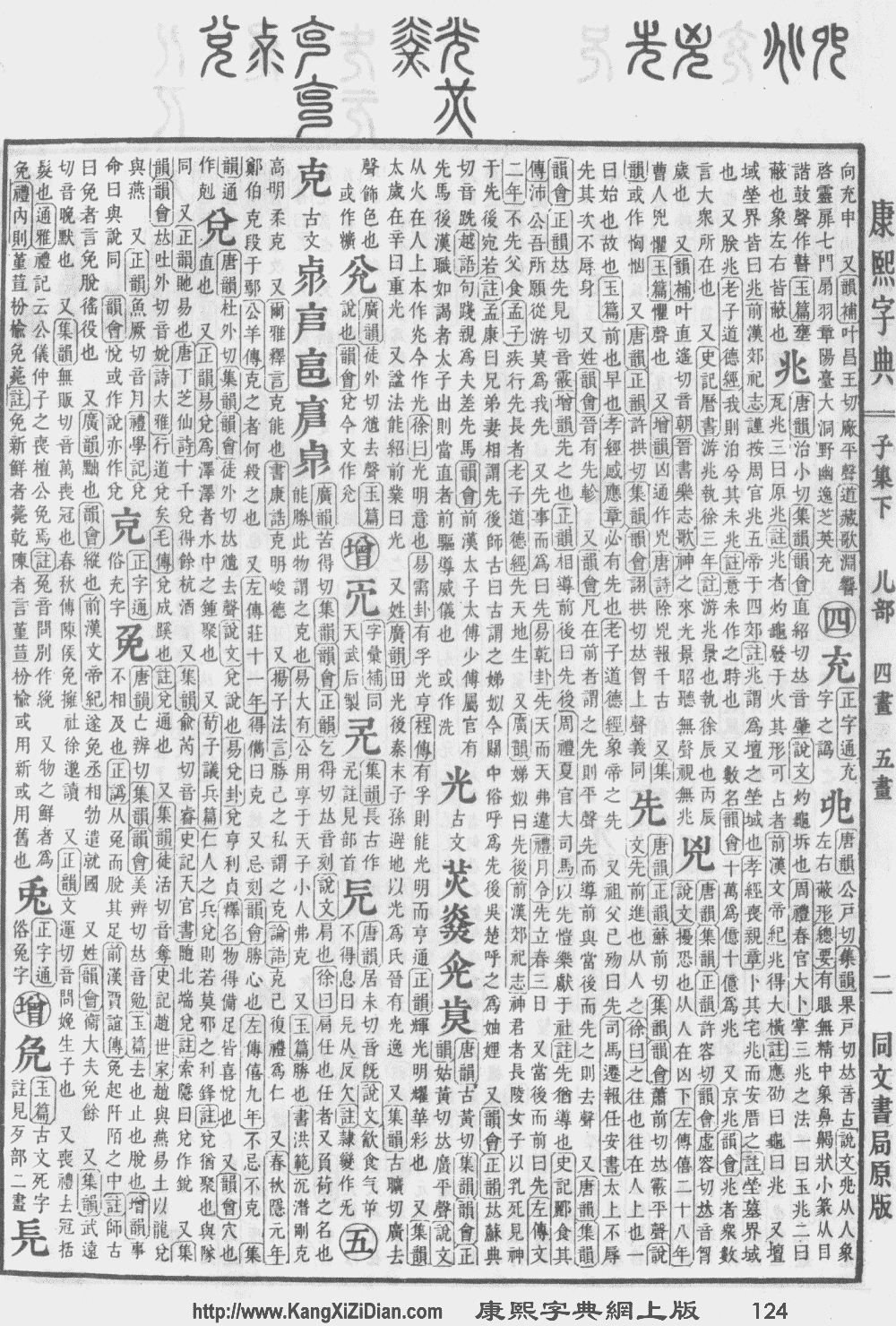
- Kangxi Dictionary: page 124, character 6
- Dai Kanwa Jiten: character 1350
- Dae Jaweon: page 262, character 1
- Hanyu Da Zidian (first edition): volume 1, page 266, character 7
- Unihan data for U+5149
Chinese edit
| simp. and trad. |
光 | |
|---|---|---|
| alternative forms | ||
Glyph origin edit
| Historical forms of the character 光 | ||||||||||||||||||||||||||||||||||||||||||||||||||||||||||||||||||||||
|---|---|---|---|---|---|---|---|---|---|---|---|---|---|---|---|---|---|---|---|---|---|---|---|---|---|---|---|---|---|---|---|---|---|---|---|---|---|---|---|---|---|---|---|---|---|---|---|---|---|---|---|---|---|---|---|---|---|---|---|---|---|---|---|---|---|---|---|---|---|---|
| Shang | Western Zhou | Warring States | Shuowen Jiezi (compiled in Han) | Liushutong (compiled in Ming) | ||||||||||||||||||||||||||||||||||||||||||||||||||||||||||||||||||
| Oracle bone script | Bronze inscriptions | Chu slip and silk script | Small seal script | Transcribed ancient scripts | ||||||||||||||||||||||||||||||||||||||||||||||||||||||||||||||||||

|

|

|

|

| ||||||||||||||||||||||||||||||||||||||||||||||||||||||||||||||||||
| ||||||||||||||||||||||||||||||||||||||||||||||||||||||||||||||||||||||
|
References:
Mostly from Richard Sears' Chinese Etymology site (authorisation),
| ||||||||||||||||||||||||||||||||||||||||||||||||||||||||||||||||||||||


Ideogrammic compound (會意/会意) : 火 (“fire”) + 卩 (“kneeling person”) – fire over a person's head, emphasizing the shining of light (Shuowen).
Etymology edit
From Proto-Sino-Tibetan *hwaŋ (“shine; bright; yellow”). Cognate with 黃 (OC *ɡʷaːŋ, “yellow”), 曠 (OC *kʰʷaːŋs, “bright; well-lit”), Burmese ဝင်း (wang:, “bright”).
Pronunciation 1 edit
Definitions edit
光
- light; beam; ray (Classifier: 束 m; 道 m)
- glory; pride
- bright
- time
- shiny; smooth
- scenery; sight
- to make bare; to be naked
- only
- Particle used after verbs to show exhaustion or completion; until none is left
- Used in polite expressions.
- a surname
Synonyms edit
- (light):
| Variety | Location | Words |
|---|---|---|
| Classical Chinese | 光 | |
| Formal (Written Standard Chinese) | 光 | |
| Mandarin | Beijing | 光, 亮兒 † |
| Taiwan | 光 | |
| Jinan | 光, 亮兒 † | |
| Xi'an | 光, 亮 † | |
| Wuhan | 光 | |
| Chengdu | 光 | |
| Guilin | 光 | |
| Yangzhou | 光 | |
| Hefei | 光 | |
| Sokuluk (Gansu Dungan) | 光 | |
| Dagudi (Maliba) | 光 | |
| Reshuitang (Longling) | 光 | |
| Mae Salong (Lancang) | 光 | |
| Mae Sai (Tengchong) | 光 | |
| Cantonese | Guangzhou | 光 |
| Hong Kong | 光 | |
| Yangjiang | 光 | |
| Hepu (Lianzhou) | 光 | |
| Hepu (Shatian) | 光 | |
| Beihai | 光 | |
| Beihai (Nankang) | 光 | |
| Beihai (Yingpan) | 光 | |
| Beihai (Qiaogang - Cô Tô) | 光 | |
| Beihai (Qiaogang - Cát Bà) | 光, 亮 | |
| Fangchenggang (Fangcheng) | 光 | |
| Ho Chi Minh City (Guangfu) | 光 | |
| Móng Cái | 光 | |
| Bangkok (Guangfu) | 光 | |
| Gan | Nanchang | 光 |
| Hakka | Meixian | 光, 亮 |
| Shanghang | 光 | |
| Bangkok (Jiexi) | 光 | |
| Jin | Taiyuan | 光, 亮 † |
| Northern Min | Jian'ou | 光 |
| Eastern Min | Fuzhou | 光 |
| Southern Min | Xiamen | 光 |
| Chaozhou | 光 | |
| Shantou | 光 | |
| Jieyang | 光 | |
| Bangkok (Teochew) | 光 | |
| Chiang Mai (Teochew) | 光 | |
| Hat Yai (Teochew) | 光 | |
| Pontianak (Teochew) | 光 | |
| Puxian Min | Putian | 光 |
| Wu | Suzhou | 光 |
| Wenzhou | 光 | |
| Xiang | Changsha | 亮, 光 |
| Xiangxiang | 光 | |
| Shuangfeng | 光 | |
| Note | † - beam or lamplight | |
Antonyms edit
Compounds edit
- 三光 (sānguāng)
- 不光 (bùguāng)
- 不光棍
- 不靈光/不灵光
- 五光十色 (wǔguāngshísè)
- 亮光 (liàngguāng)
- 亮光光
- 亮光漆
- 亮光蠟/亮光蜡
- 仰光 (Yǎngguāng)
- 佛光 (fóguāng)
- 借光 (jièguāng)
- 候光
- 偏光 (piānguāng)
- 做光
- 偏光鏡/偏光镜
- 偏振光 (piānzhènguāng)
- 偏極光/偏极光
- 光了了
- 光亮 (guāngliàng)
- 光儀/光仪
- 光價/光价
- 光光 (guāngguāng)
- 充光棍
- 光出律
- 光出溜
- 光刀
- 光前裕後/光前裕后
- 光化 (Guānghuà)
- 光化作用
- 光化學/光化学 (guānghuàxué)
- 光化學煙霧/光化学烟雾 (guānghuàxué yānwù)
- 光反應/光反应
- 光合作用 (guānghé zuòyòng)
- 光周期
- 光圈 (guāngquān)
- 光國/光国
- 光圈數/光圈数
- 光塌塌
- 光塵/光尘
- 光壓/光压 (guāngyā)
- 光大 (guāngdà)
- 光夫
- 光天化日 (guāngtiānhuàrì)
- 光子 (guāngzǐ)
- 光存儲器/光存储器
- 光學/光学 (guāngxué)
- 光學纖維/光学纤维
- 光宅
- 光宗燿祖/光宗耀祖
- 光害 (guānghài)
- 光寵/光宠
- 光導管/光导管
- 光導縴維/光导纤维
- 光屁股
- 光山
- 光州 (Guāngzhōu)
- 光差
- 光巴
- 光帶/光带
- 光年 (guāngnián)
- 光度 (guāngdù)
- 光度計/光度计
- 光彩 (guāngcǎi)
- 光影
- 光復/光复 (guāngfù)
- 光復會/光复会
- 光復節/光复节 (Guāngfùjié)
- 光心
- 光怪 (guāngguài)
- 光怪陸離/光怪陆离 (guāngguàilùlí)
- 光打印機/光打印机
- 光打雷,不下雨
- 光撻撻/光挞挞
- 光攝/光摄
- 光啟/光启
- 光敏症
- 光敏電阻/光敏电阻 (guāngmǐn diànzǔ)
- 光斑 (guāngbān)
- 光昌
- 光明 (guāngmíng)
- 光明正大 (guāngmíngzhèngdà)
- 光明燈/光明灯 (guāngmíngdēng)
- 光明磊落 (guāngmínglěiluò)
- 光昭
- 光景 (guāngjǐng)
- 光暈/光晕 (guāngyùn)
- 光有
- 光朗朗
- 光期性
- 光束 (guāngshù)
- 光板兒/光板儿
- 光柱
- 光柵/光栅
- 光桿兒/光杆儿
- 光棍 (guānggùn)
- 光棍兒/光棍儿 (guānggùnr)
- 光榮/光荣 (guāngróng)
- 光榮榜/光荣榜 (guāngróngbǎng)
- 光標/光标 (guāngbiāo)
- 光武 (Guāngwǔ)
- 光氣/光气 (guāngqì)
- 光波 (guāngbō)
- 光油油 (guāngyóuyóu)
- 光流
- 光洋 (guāngyáng)
- 光滑 (guānghuá)
- 光源 (guāngyuán)
- 光溜 (guāngliu)
- 光溜溜 (guāngliūliū)
- 光潤/光润 (guāngrùn)
- 光潔/光洁
- 光潔度/光洁度
- 光澤/光泽 (guāngzé)
- 光火 (guānghuǒ)
- 光烈
- 光焰
- 光照 (guāngzhào)
- 光照度
- 光煙霧/光烟雾
- 光熙
- 光燄/光焰
- 光燙/光烫
- 光燦/光灿
- 光燦燦/光灿灿
- 光燿/光耀
- 光球 (guāngqiú)
- 光環/光环 (guānghuán)
- 光疏媒質/光疏媒质
- 光療/光疗 (guāngliáo)
- 光盤/光盘 (guāngpán)
- 光碟 (guāngdié)
- 光碟機/光碟机 (guāngdiéjī)
- 光碟櫃/光碟柜
- 光票
- 光祿寺/光禄寺
- 光私
- 光禿/光秃
- 光禿禿/光秃秃 (guāngtūtū)
- 光禿禿的/光秃秃的
- 光程
- 光筆/光笔 (guāngbǐ)
- 光緒/光绪 (Guāngxù)
- 光綽綽/光绰绰
- 光線/光线 (guāngxiàn)
- 光緻緻/光致致
- 光纖/光纤 (guāngxiān)
- 光纖維/光纤维
- 光纜/光缆 (guānglǎn)
- 光耀 (guāngyào)
- 光耀耀
- 光老
- 光能
- 光脊梁
- 光腳/光脚 (guāngjiǎo)
- 光腳兒/光脚儿
- 光膀子 (guāngbǎngzi)
- 光臉/光脸
- 光臨/光临 (guānglín)
- 光色
- 光芒 (guāngmáng)
- 光苔
- 光華/光华 (guānghuá)
- 光著眼
- 光藝術/光艺术
- 光藻
- 光蛋 (guāngdàn)
- 光行差
- 光表
- 光裕
- 光覺/光觉
- 光解作用
- 光譜/光谱 (guāngpǔ)
- 光譜儀/光谱仪 (guāngpǔyí)
- 光譜計/光谱计
- 光豔/光艳
- 光資訊/光资讯
- 光赤
- 光趟
- 光身子
- 光身漢/光身汉
- 光軸/光轴 (guāngzhóu)
- 光輪/光轮
- 光輝/光辉 (guānghuī)
- 光輻射/光辐射
- 光辣撻/光辣挞
- 光速 (guāngsù)
- 光通量
- 光采 (guāngcǎi)
- 光量子
- 光閃閃/光闪闪
- 光闌/光阑
- 光降
- 光陰/光阴 (guāngyīn)
- 光陸離/光陆离
- 光電/光电 (guāngdiàn)
- 光電子/光电子
- 光電效應/光电效应 (guāngdiàn xiàoyìng)
- 光電池/光电池
- 光電管/光电管
- 光靈/光灵
- 光面 (guāngmiàn)
- 光面兒/光面儿
- 光面子
- 光頭/光头 (guāngtóu)
- 光顧/光顾 (guānggù)
- 光風/光风
- 光風霽月/光风霁月
- 光餅/光饼 (guāngbǐng)
- 光駕/光驾
- 光驅/光驱 (guāngqū)
- 光鮮/光鲜 (guāngxiān)
- 光鹵石/光卤石
- 光麗/光丽
- 光麵/光面 (guāngmiàn)
- 兩面光/两面光
- 八面光 (bāmiànguāng)
- 冷光 (lěngguāng)
- 刀光
- 分光儀/分光仪
- 分光鏡/分光镜
- 剃光頭/剃光头 (tìguāngtóu)
- 務光/务光
- 北極光/北极光 (běijíguāng)
- 反光 (fǎnguāng)
- 反光板
- 反光鏡/反光镜 (fǎnguāngjìng)
- 叨光 (tāoguāng)
- 司馬光/司马光
- 同光
- 向光 (xiàngguāng)
- 向光性
- 吃得光
- 呂光/吕光
- 含光
- 呎燭光/呎烛光
- 嚴光/严光
- 回光鏡/回光镜
- 國光/国光 (Guóguāng)
- 國光號/国光号
- 圓光/圆光 (yuánguāng)
- 增光 (zēngguāng)
- 外光派
- 夜光
- 夜光杯 (yèguāngbēi)
- 夜光漆
- 夜光璧
- 夜光蟲/夜光虫
- 夜光錶/夜光表
- 夜光雲/夜光云
- 天光 (tiānguāng)
- 女光棍
- 娭光
- 孟光
- 孤光
- 容光 (róngguāng)
- 寒光
- 寵光/宠光
- 對光/对光
- 對光兒/对光儿
- 屈光度
- 左光斗
- 希光
- 幛光
- 平光 (píngguāng)
- 年光
- 幻光
- 引光奴
- 弧光 (húguāng)
- 弧光燈/弧光灯
- 弧光譜/弧光谱
- 徐光啟/徐光启
- 恩光
- 感光 (gǎnguāng)
- 感光紙/感光纸 (gǎnguāngzhǐ)
- 戚繼光/戚继光
- 打光
- 打光棍 (dǎ guānggùn)
- 打耳光 (dǎ ěrguāng)
- 折光 (zhéguāng)
- 拋光/抛光 (pāoguāng)
- 挨光
- 採光/采光 (cǎiguāng)
- 掣光
- 推光頭/推光头
- 搖光/摇光
- 摑耳光/掴耳光 (guāi'érguāng)
- 散光
- 散光眼
- 新光 (Xīnguāng)
- 旋光性 (xuánguāngxìng)
- 日光 (rìguāng)
- 日光浴 (rìguāngyù)
- 日光燈/日光灯 (rìguāngdēng)
- 明光 (Míngguāng)
- 昌光
- 明月光
- 易玄光
- 星光 (xīngguāng)
- 春光 (chūnguāng)
- 時光/时光 (shíguāng)
- 晨光 (chénguāng)
- 普光
- 景光
- 晴光
- 暗光鳥/暗光鸟 (àm-kong-chiáu) (Min Nan)
- 曙光 (shǔguāng)
- 曝光 (bàoguāng)
- 曝光表 (bàoguāngbiǎo)
- 曳光彈/曳光弹 (yèguāngdàn)
- 月光 (yuèguāng)
- 月光族 (yuèguāngzú)
- 月光曲
- 月光花
- 有光紙/有光纸
- 有眼光
- 朧光/胧光
- 末光
- 朱光
- 東光/东光 (Dōngguāng)
- 柔光鏡/柔光镜
- 極光/极光 (jíguāng)
- 榮光/荣光 (róngguāng)
- 步光
- 歸有光/归有光
- 死光 (sǐguāng)
- 毫光
- 水光 (shuǐguāng)
- 沾光 (zhānguāng)
- 油光 (yóuguāng)
- 波光
- 流光
- 浮光 (fúguāng)
- 浮光掠影 (fúguānglüèyǐng)
- 清光
- 淚光/泪光 (lèiguāng)
- 淨光/净光
- 湖光
- 測光表/测光表
- 溜光
- 溜油光
- 漏光 (lòuguāng)
- 激光 (jīguāng)
- 濾光鏡/滤光镜
- 火光 (huǒguāng)
- 炎光
- 無光帶/无光带 (wúguāng dài)
- 照光
- 熒光屏/荧光屏 (yíngguāngpíng)
- 熒光燈/荧光灯 (yíngguāngdēng)
- 熒光粉/荧光粉
- 燐光/磷光 (línguāng)
- 燈光/灯光 (dēngguāng)
- 燭光/烛光 (zhúguāng)
- 爭光/争光 (zhēngguāng)
- 玉光 (Yùguāng)
- 瑩光/莹光
- 瑤光/瑶光
- 生光
- 用光 (yòngguāng)
- 畏光 (wèiguāng)
- 發光/发光 (fāguāng)
- 發光器/发光器
- 發光屏/发光屏
- 發光度/发光度
- 發光體/发光体
- 白光 (báiguāng)
- 白叨光
- 目光 (mùguāng)
- 眼光 (yǎnguāng)
- 砑光
- 砑光機/砑光机
- 磨光 (móguāng)
- 磷光 (línguāng)
- 祥光
- 窮光蛋/穷光蛋 (qióngguāngdàn)
- 精光 (jīngguāng)
- 紅光/红光 (hóngguāng)
- 絲光棉/丝光棉
- 老光棍
- 耳光 (ěrguāng)
- 聚光 (jùguāng)
- 聚光燈/聚光灯 (jùguāngdēng)
- 聚光鏡/聚光镜
- 聲光/声光
- 背光 (bèiguāng)
- 背光性
- 脫光/脱光 (tuōguāng)
- 臺光/台光
- 色光
- 莒光 (jǔguāng)
- 莒光樓/莒光楼
- 華光/华光
- 葛光 (Gěguāng)
- 葆光
- 螢光/萤光 (yíngguāng)
- 螢光劑/萤光剂
- 螢光幕/萤光幕 (yíngguāngmù)
- 螢光板/萤光板
- 螢光燈/萤光灯 (yíngguāngdēng)
- 螢光粉/萤光粉
- 螢光體/萤光体
- 蟾光 (chánguāng)
- 蠟光紙/蜡光纸
- 複合光/复合光
- 複色光/复色光
- 見光/见光 (jiànguāng)
- 見光死/见光死 (jiànguāngsǐ)
- 觀光/观光 (guānguāng)
- 觀光團/观光团 (guānguāngtuán)
- 觀光客/观光客 (guānguāngkè)
- 觀光局/观光局
- 觀光節/观光节
- 觀光週/观光周
- 調光/调光 (tiáoguāng)
- 謙光/谦光
- 變光星/变光星
- 賜光/赐光
- 賞光/赏光 (shǎngguāng)
- 趨光性/趋光性
- 輔光/辅光
- 輝光/辉光 (huīguāng)
- 辰光 (chénguāng)
- 逆光 (nìguāng)
- 透光 (tòuguāng)
- 通光 (thang-kng) (Min Nan)
- 透光帶/透光带 (tòuguāng dài)
- 透光性
- 透光鏡/透光镜
- 道光 (Dàoguāng)
- 遮光板
- 遺光/遗光
- 鄭光祖/郑光祖
- 配光
- 重光 (chóngguāng)
- 金光 (jīnguāng)
- 金光菊 (jīnguāngjú)
- 金光黨/金光党 (jīnguāngdǎng)
- 鎂光/镁光
- 鎂光燈/镁光灯 (měiguāngdēng)
- 閃光/闪光 (shǎnguāng)
- 閃光燈/闪光灯 (shǎnguāngdēng)
- 開光/开光 (kāiguāng)
- 闖光棍/闯光棍
- 陽光/阳光 (yángguāng)
- 電光/电光 (diànguāng)
- 電光源/电光源
- 霞光 (xiáguāng)
- 靈光/灵光 (língguāng)
- 青光眼 (qīngguāngyǎn)
- 面光
- 韜光/韬光 (tāoguāng)
- 韶光
- 風光/风光
- 飛光/飞光
- 餘光/余光
- 駒光/驹光
- 驗光/验光 (yànguāng)
- 黃道光/黄道光
- 龍光/龙光
Descendants edit
Pronunciation 2 edit
Definitions edit
光
- ‡ to color
References edit
- “光”, in 漢語多功能字庫 (Multi-function Chinese Character Database)[1], 香港中文大學 (the Chinese University of Hong Kong), 2014–
- “Entry #2065”, in 臺灣閩南語常用詞辭典 (overall work in Mandarin and Hokkien), Ministry of Education, R.O.C., 2023.
Japanese edit
Kanji edit
Readings edit
- Go-on: こう (kō, Jōyō)←くわう (kwau, historical)
- Kan-on: こう (kō, Jōyō)←くわう (kwau, historical)
- Kun: ひかり (hikari, 光, Jōyō); ひかる (hikaru, 光る, Jōyō)
- Nanori: あき (aki); あきら (akira); てる (teru); ひこ (hiko); み (mi); みつ (mitsu)
Compounds edit
Etymology 1 edit
| Kanji in this term |
|---|
| 光 |
| ひかり Grade: 2 |
| kun’yomi |

⟨pi1kari⟩ → */pʲikari/ → /ɸikari/ → /hikari/
From Old Japanese.
Nominalization of the 連用形 (ren'yōkei, “continuative or stem form”) of verb 光る (hikaru, “to shine, to glitter, to gleam”).[1][2]
Pronunciation edit
Noun edit
- a physically perceived light:
- a metaphorical light:
- glory, influence, power
- a glimmer, gleam
- 前途に光を失う
- zento ni hikari o ushinau
- to lose light regarding the future → future prospects grow dim
- 解決への道に光を投げかける
- kaiketsu e no michi ni hikari o nagekakeru
- to shed light on the way to a solution
- 前途に光を失う
- positive aspect
- インターネット時代の光
- intānetto jidai no hikari
- the positive aspect of the internet age
- インターネット時代の光
- a displaying, putting on airs
- a vision, eyesight
- (optics) relating to light or vision: optical, photo-
- 光ファイバー
- hikari faibā
- optical fiber
- 光ファイバー
- (colloquial) Short for 光り物 (hikarimono): sashimi with some of the silver-colored skin left
Quotations edit
For quotations using this term, see Citations:光.
Synonyms edit
Antonyms edit
Derived terms edit
- ぴかぴか (pikapika)
- ぴかり (pikari, “glitteringly, sparklingly”)
- 光カード (hikari kādo, “optical card”)
- 光コンピュータ (hikari konpyūta, “optical computer”)
- 光ディスク (hikari disuku, “optical disc”)
- 光通信 (hikari tsūshin, “optical communication”)
- 光通信ケーブル (hikari tsūshin kēburu, “optical communication cable, fiberoptic cable”)
- 光ファイバー (hikari faibā, “optical fiber”)
- 光伝道度 (hikari dendōdo, “photoconductivity”)
- 光分解 (hikari bunkai, “optical degradation, photodegradation”)
- 稲光 (inabikari)
- 死に光 (shinibikari)
- 七光 (nanahikari)
- 蛍の光 (Hotaru no Hikari)
Idiom edit
- 蛍の光窓の雪 (hotaru no hikari mado no yuki, “firefly's dim light, snow reflected on the window → diligent study”)
Descendants edit
- → Okinawan: 光 (fikari)
Proper noun edit
- Hikari (a city in Yamaguchi Prefecture, Japan)
- one of the bullet train services running on the 東海道 (Tōkaido) or 山陽 (San'yō) shinkansen
- a surname
- a female given name
Etymology 2 edit
| Kanji in this term |
|---|
| 光 |
| ひか(る) Grade: 2 |
| kun’yomi |
Nominalization of the verb 光る (hikaru, “to shine, to glitter, to gleam”).
Pronunciation edit
Proper noun edit
- a male given name
- a female given name
Etymology 3 edit
| Kanji in this term |
|---|
| 光 |
| こう Grade: 2 |
| on’yomi |
/kʷau/ → /kʷɔː/ → /kɔː/ → /koː/
From Middle Chinese 光 (MC kwang).
Compare modern Mandarin 光 (guāng), Hakka 光 (kông), and Min Nan 光 (kong).
Pronunciation edit
Affix edit
- light, gleam, shine
- gleaming, shining
- scenery
- glory, honor/honour, pride
- enlightening
- exhaust, run out
Derived terms edit
Proper noun edit
- a male or female given name
References edit
- ^ Shōgaku Tosho (1988) 国語大辞典(新装版) [Unabridged Dictionary of Japanese (Revised Edition)] (in Japanese), Tōkyō: Shogakukan, →ISBN
- ↑ 2.0 2.1 Matsumura, Akira, editor (2006), 大辞林 (in Japanese), Third edition, Tōkyō: Sanseidō, →ISBN
- ^ NHK Broadcasting Culture Research Institute, editor (1998), NHK日本語発音アクセント辞典 [NHK Japanese Pronunciation Accent Dictionary] (in Japanese), Tōkyō: NHK Publishing, →ISBN
Korean edit
Etymology edit
From Middle Chinese 光 (MC kwang).
| Historical Readings | ||
|---|---|---|
| Dongguk Jeongun Reading | ||
| Dongguk Jeongun, 1448 | 과ᇰ (Yale: kwàng) | |
| Middle Korean | ||
| Text | Eumhun | |
| Gloss (hun) | Reading | |
| Hunmong Jahoe, 1527[2] | 빗〮 (Yale: pís) | 과ᇰ (Yale: kwàng) |
Pronunciation edit
- (SK Standard/Seoul) IPA(key): [kwa̠ŋ]
- Phonetic hangul: [광]
Hanja edit

Compounds edit
- 관광 (觀光, gwan'gwang)
- 광명 (光明, gwangmyeong)
- 광선 (光線, gwangseon)
- 광속 (光速, gwangsok)
- 광택 (光澤, gwangtaek)
- 광학 (光學, gwanghak)
- 광합성 (光合成, gwanghapseong)
- 광휘 (光輝, gwanghwi)
- 발광 (發光, balgwang)
- 섬광 (閃光, seomgwang)
- 야광 (夜光, yagwang)
- 영광 (榮光, yeonggwang)
- 일광 (日光, ilgwang)
- 전광석화 (電光石火, jeon'gwangseokhwa)
- 형광 (螢光, hyeonggwang)
- 후광 (後光, hugwang)
References edit
- 국제퇴계학회 대구경북지부 (國際退溪學會 大邱慶北支部) (2007). Digital Hanja Dictionary, 전자사전/電子字典. [3]
Okinawan edit
Kanji edit
Readings edit
Compounds edit
- 夜光貝 (yakugē)
Etymology 1 edit
| Kanji in this term |
|---|
| 光 |
| ふぃちゃい Grade: 2 |
| kun’yomi |
Cognate with Japanese 光 (hikari).
The stem form of verb 光ゆん (fichayun, “to shine, gleam”).
Pronunciation edit
Noun edit
光 (fichai)
Derived terms edit
Etymology 2 edit
| Kanji in this term |
|---|
| 光 |
| ふぃかり Grade: 2 |
Borrowed from Japanese 光 (hikari).
Doublet of 光 (fichai) above.
Pronunciation edit
Noun edit
光 (fikari)
Derived terms edit
- う光 (ufikari)
References edit
Old Japanese edit
Etymology edit
Nominalization of the 連用形 (ren'yōkei, “continuative or stem form”) of verb 光る (pi1karu, “to shine, to glitter, to gleam”).[1][2]
Noun edit
光 (pi1kari) (kana ひかり)
- a light
Quotations edit
For quotations using this term, see Citations:光.
Descendants edit
- Japanese: 光 (hikari)
References edit
- ^ Shōgaku Tosho (1988) 国語大辞典(新装版) [Unabridged Dictionary of Japanese (Revised Edition)] (in Japanese), Tōkyō: Shogakukan, →ISBN
- ^ Matsumura, Akira, editor (2006), 大辞林 (in Japanese), Third edition, Tōkyō: Sanseidō, →ISBN
Vietnamese edit
Han character edit
- This term needs a translation to English. Please help out and add a translation, then remove the text
{{rfdef}}.