
太
| ||||||||
Translingual edit
| Stroke order | |||
|---|---|---|---|

| |||
| Stroke order | |||
|---|---|---|---|

| |||
Han character edit
太 (Kangxi radical 37, 大+1, 4 strokes, cangjie input 大戈 (KI), four-corner 40030, composition ⿵大丶)
Derived characters edit
Descendants edit
References edit
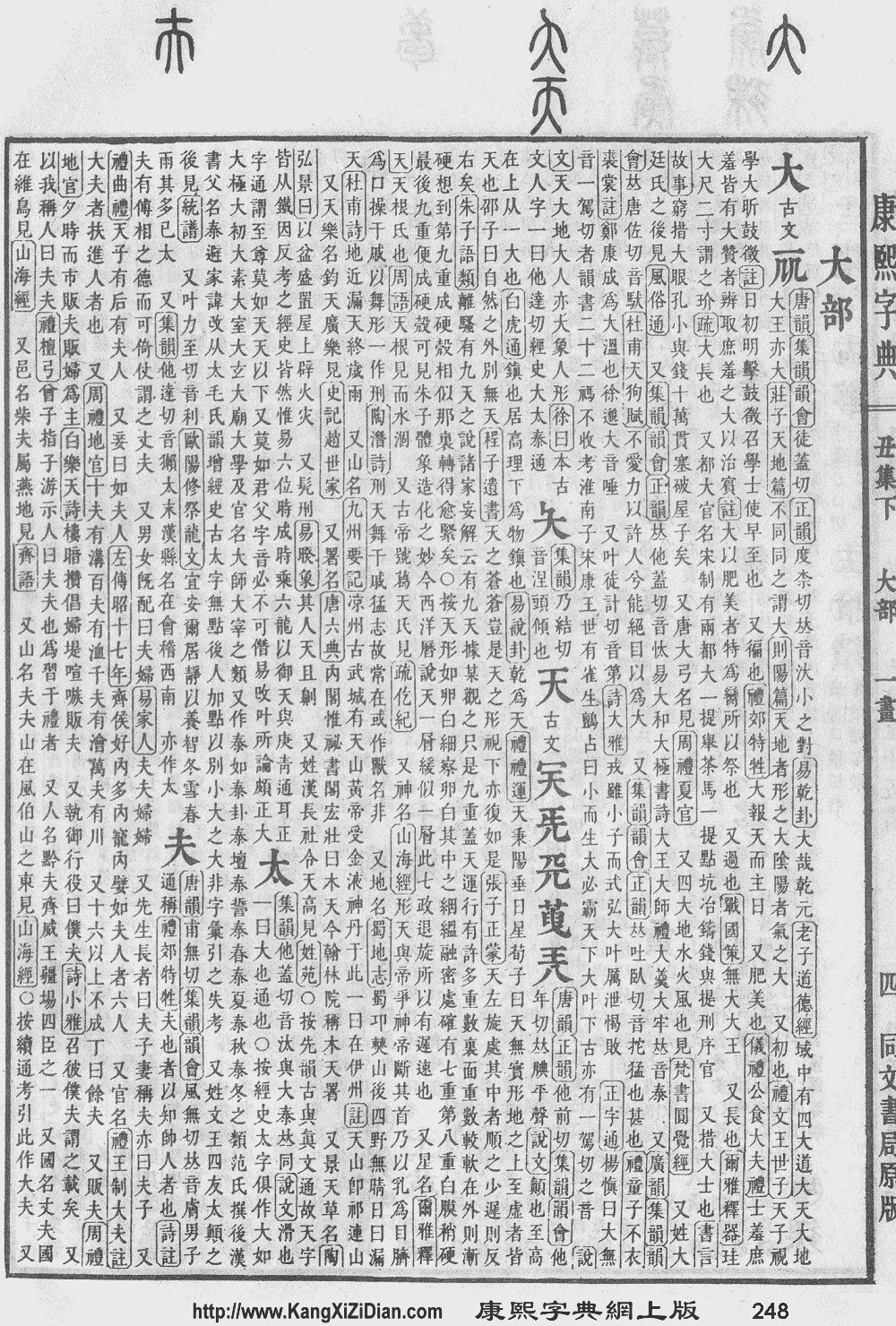
- Kangxi Dictionary: page 248, character 10
- Dai Kanwa Jiten: character 5834
- Dae Jaweon: page 505, character 1
- Hanyu Da Zidian (first edition): volume 1, page 524, character 1
- Unihan data for U+592A
Chinese edit

Glyph origin edit
Phono-semantic compound (形聲/形声, OC *tʰaːds) : phonetic 大 (OC *daːds, *daːds, “big; great”) + semantic 丶 – excessive.
Etymology 1 edit
| simp. and trad. |
太 | |
|---|---|---|
| alternative forms | 冭 | |
A superlative derivative of 大 (OC *daːds, *daːds, “big”) – be too great, very great, excessive.
Pronunciation 1 edit
Definitions edit
太
- too; so (modifying adjectives; often used with 了 (le) at the end of the sentence for emphasis)
- (usually in negative sentences) very; quite
- 他不太舒服。 [Taiwanese Mandarin] ― Tā bù tài shūfú. [Pinyin] ― He's not very well.
- most; utmost
- highest; greatest
- senior; noble
- Short for 太湖 (Tàihú, “Lake Tai, a lake in Southern Jiangsu, China”).
- Short for 太平洋 (Tàipíngyáng, “Pacific Ocean”).
Synonyms edit
See also edit
- 很 (hěn)
Pronunciation 2 edit
Definitions edit
太
Pronunciation 3 edit
Definitions edit
太
- † Only used in 太末.
Compounds edit
- 一錢太守/一钱太守 (yī qián tàishǒu)
- 三保太監/三保太监
- 二太爺/二太爷
- 亞太/亚太 (yà-Tài)
- 亞太地區/亚太地区
- 以太 (yǐtài)
- 仰天太息
- 佘太君
- 元太宗
- 元太祖
- 出太陽/出太阳
- 分過太平/分过太平
- 十三太保
- 印太 (Yìn-Tài)
- 吃太平飯/吃太平饭
- 名重太山
- 唐太宗
- 國太/国太
- 外太空 (wàitàikōng)
- 太一 (tàiyī)
- 太上 (tàishàng)
- 天下太平 (tiānxiàtàipíng)
- 太上忘情
- 太上皇 (tàishànghuáng)
- 太上老君 (Tàishàng Lǎojūn)
- 太丘道廣/太丘道广
- 太中大夫 (tàizhōng dàfū)
- 太主
- 太乙
- 太乙數/太乙数
- 太乙神針/太乙神针
- 太保 (tàibǎo)
- 太倉/太仓 (Tàicāng)
- 太倉一粟/太仓一粟
- 太倉稊米/太仓稊米
- 太傅 (tàifù)
- 太僕/太仆 (tàipú)
- 太儀/太仪
- 太元 (Tàiyuán)
- 太公 (tàigōng)
- 太公兵法
- 太公家教
- 太公望
- 太公釣魚/太公钓鱼
- 太公鼓刀
- 太初
- 太初曆/太初历
- 太半 (tàibàn)
- 太卜
- 太原 (Tàiyuán)
- 太原市
- 太叔 (Tàishū)
- 太史 (tàishǐ)
- 太古 (tàigǔ)
- 太古代 (Tàigǔdài)
- 太史令 (tàishǐ lìng)
- 太古傳宗/太古传宗
- 太史公 (Tàishǐgōng)
- 太古界
- 太后 (tàihòu)
- 太君 (tàijūn)
- 太和 (Tàihé)
- 太和殿 (Tàihédiàn)
- 太嗇/太啬
- 太太 (tàitai)
- 太夫人
- 太夫子
- 太妃糖 (tàifēitáng)
- 太始
- 太妹 (tàimèi)
- 太婆 (tàipó)
- 太子 (tàizǐ)
- 太子城 (Tàizǐchéng)
- 太子太保
- 太子太傅
- 太子太師/太子太师
- 太子少保
- 太子少師/太子少师
- 太子洗馬/太子洗马
- 太子港 (Tàizǐgǎng)
- 太子舍人
- 太子黨/太子党 (Tàizǐdǎng)
- 太孫/太孙
- 太學/太学 (tàixué)
- 太學生/太学生 (tàixuéshēng)
- 太安 (Tài'ān)
- 太守 (tàishǒu)
- 太宗 (Tàizōng)
- 太容
- 太宰
- 太寧/太宁
- 太寶湖/太宝湖 (Tàibǎohú)
- 太尉 (tàiwèi)
- 太尊
- 太山 (Tàishān)
- 太山鴻毛/太山鸿毛
- 太帝 (Tàidì)
- 太師/太师 (tàishī)
- 太師交椅/太师交椅
- 太師椅/太师椅 (tàishīyǐ)
- 太師母/太师母
- 太常 (tàicháng)
- 太常博士
- 太常寺 (Tàichángsì)
- 太平 (tàipíng)
- 太平之治
- 太平天國/太平天国 (Tàipíng Tiānguó)
- 太平天子
- 太平官
- 太平年
- 太平店 (Tàipíngdiàn)
- 太平日子
- 太平時世/太平时世
- 太平時節/太平时节
- 太平梯 (tàipíngtī)
- 太平歌詞/太平歌词
- 太平氣象/太平气象
- 太平水桶
- 太平水缸
- 太平洋 (Tàipíngyáng)
- 太平溪 (Tàipíngxī)
- 太平無事/太平无事
- 太平盛世
- 太平真君
- 太平經/太平经 (Tàipíngjīng)
- 太平興國/太平兴国 (Tàipíng Xīngguó)
- 太平花
- 太平話/太平话
- 太平車/太平车
- 太平軍/太平军
- 太平道 (Tàipíngdào)
- 太平門/太平门 (tàipíngmén)
- 太平間/太平间 (tàipíngjiān)
- 太平鼓
- 太平龍頭/太平龙头
- 太座
- 太康 (Tàikāng)
- 太康體/太康体
- 太廟/太庙 (tàimiào)
- 太延
- 太建
- 太弟
- 太微
- 太息 (tàixī)
- 太憨生
- 太昌
- 太昊
- 太極/太极 (tàijí)
- 太極劍/太极剑
- 太極圖/太极图 (tàijítú)
- 太極圖說/太极图说
- 太極拳/太极拳 (tàijíquán)
- 太武山
- 太歲/太岁 (Tàisuì)
- 太歲年名/太岁年名
- 太母
- 太沖/太冲
- 太清
- 太液 (Tàiyè)
- 太液池 (Tàiyèchí)
- 太湖 (Tàihú)
- 太湖港 (Tàihúgǎng)
- 太湖石
- 太熙
- 太爺/太爷 (tàiyé)
- 太牢 (tàiláo)
- 太猛
- 太玄 (tàixuán)
- 太玄經/太玄经 (Tàixuánjīng)
- 太王
- 太甚 (tàishèn)
- 太甲 (Tài Jiǎ)
- 太瘦生
- 太白 (Tàibái)
- 太白星 (Tàibáixīng)
- 太白粉 (tàibáifěn)
- 太白酒星
- 太白金星
- 太皇太后 (tài huáng tàihòu)
- 太皞
- 太監/太监 (tàijiàn)
- 太真 (Tàizhēn)
- 太石 (Tàishí)
- 太祝
- 太祖 (Tàizǔ)
- 太空 (tàikōng)
- 太空人 (tàikōngrén)
- 太空傳播/太空传播
- 太空劇場/太空剧场
- 太空城
- 太空塵/太空尘
- 太空探險/太空探险
- 太空梭 (tàikōngsuō)
- 太空條約/太空条约
- 太空槍/太空枪
- 太空武器
- 太空漫步 (tàikōng mànbù)
- 太空病
- 太空科學/太空科学 (tàikōng kēxué)
- 太空站 (tàikōngzhàn)
- 太空總署/太空总署
- 太空船 (tàikōngchuán)
- 太空艙/太空舱
- 太空藝術/太空艺术
- 太空衣
- 太空被
- 太空裝/太空装
- 太空軌道/太空轨道
- 太空通訊/太空通讯
- 太空醫學/太空医学
- 太空食物
- 太簇
- 太素
- 太羹
- 太翁
- 太老先生
- 太老師/太老师
- 太興/太兴
- 太華山/太华山
- 太虛/太虚 (tàixū)
- 太虛幻境/太虚幻境
- 太行山 (Tàiháng Shān)
- 太謙/太谦
- 太谷
- 太谷燈/太谷灯
- 太輔/太辅
- 太過/太过 (tàiguò)
- 太醫/太医 (tàiyī)
- 太醫院/太医院
- 太重
- 太阿 (tài'ē)
- 太阿之柄
- 太阿倒持 (Tài'ē dàochí)
- 太阿在握
- 太陰/太阴 (tàiyīn)
- 太陰之象/太阴之象
- 太陰星/太阴星
- 太陰曆/太阴历
- 太陰月/太阴月 (tàiyīnyuè)
- 太陰潮/太阴潮
- 太陰病/太阴病
- 太階/太阶
- 太陽/太阳 (tàiyáng)
- 太陽光譜/太阳光谱
- 太陽地/太阳地 (tàiyángdì)
- 太陽島/太阳岛 (Tàiyángdǎo)
- 太陽年/太阳年
- 太陽旗/太阳旗 (tàiyángqí)
- 太陽日/太阳日 (tàiyángrì)
- 太陽時/太阳时
- 太陽曆/太阳历
- 太陽河/太阳河 (Tàiyánghé)
- 太陽燈/太阳灯 (tàiyángdēng)
- 太陽爐/太阳炉
- 太陽病/太阳病
- 太陽眼鏡/太阳眼镜 (tàiyáng yǎnjìng)
- 太陽神/太阳神 (tàiyángshén)
- 太陽穴/太阳穴
- 太陽糕/太阳糕 (tàiyánggāo)
- 太陽系/太阳系 (Tàiyángxì)
- 太陽能/太阳能 (tàiyángnéng)
- 太陽能房/太阳能房
- 太陽膏/太阳膏
- 太陽自轉/太阳自转
- 太陽輻射/太阳辐射
- 太陽閃焰/太阳闪焰
- 太陽電池/太阳电池 (tàiyáng diànchí)
- 太陽電波/太阳电波
- 太陽風/太阳风 (tàiyángfēng)
- 太陽餅/太阳饼 (tàiyángbǐng)
- 太陽鳥/太阳鸟
- 太陽麻/太阳麻
- 太陽黑子/太阳黑子
- 太魯閣/太鲁阁 (Tàilǔgé)
- 太魯閣族/太鲁阁族 (tàilǔgézú)
- 太麻里 (Tàimálǐ)
- 姑太太
- 姨太
- 姜太公
- 姨太太 (yítàitai)
- 安太歲/安太岁
- 宋太宗
- 宋太祖
- 宮中太監/宫中太监
- 慈安太后
- 慈禧太后 (Cíxǐ Tàihòu)
- 打供太保
- 打太平拳
- 打太極/打太极 (dǎ tàijí)
- 打太極拳/打太极拳 (dǎ tàijíquán)
- 提摩太書/提摩太书
- 撞太歲/撞太岁
- 撞鐘太歲/撞钟太岁
- 明太祖
- 昭明太子
- 曠然太平/旷然太平
- 李太白
- 李提摩太
- 桃太郎 (Táotàiláng)
- 梁太祖
- 楊太真/杨太真
- 欺人太甚 (qīréntàishèn)
- 毛太紙/毛太纸
- 活太歲/活太岁
- 清太坪 (Qīngtàipíng)
- 清太祖
- 渥太華/渥太华 (Wòtàihuá)
- 燕太子丹
- 猶太/犹太 (Yóutài)
- 猶太人/犹太人 (yóutàirén)
- 猶太教/犹太教 (Yóutàijiào)
- 皇太后 (huángtàihòu)
- 皇太子 (huángtàizǐ)
- 皇太極/皇太极 (Huángtàijí)
- 相煎太急
- 真太陽日/真太阳日
- 神遊太虛/神游太虚
- 竇太后
- 粉飾太平/粉饰太平 (fěnshìtàipíng)
- 縣太爺/县太爷 (xiàntàiyé)
- 老太
- 老太太 (lǎotàitai)
- 老太婆 (lǎotàipó)
- 老太爺/老太爷 (lǎotàiyé)
- 舅太太
- 航太 (hángtài)
- 航太工業/航太工业
- 花花太歲/花花太岁
- 蓋世太保/盖世太保 (Gàishìtàibǎo)
- 蒙太奇 (méngtàiqí)
- 蕭太后
- 西太后 (Xītàihòu)
- 親太太/亲太太
- 迦太基 (Jiātàijī)
- 逼人太甚
- 遼太宗/辽太宗
- 遼太祖/辽太祖
- 酒太公
- 金太宗
- 金太祖
- 阿爾斯太/阿尔斯太
- 章懷太子/章怀太子
- 馬太/马太 (Mǎtài)
- 馬太福音/马太福音 (Mǎtài Fúyīn)
- 黃堂太守/黄堂太守
Etymology 2 edit
Definitions edit
太
- (Korean Classical Chinese) soybean
- Synonym: 大豆 (dàdòu)
Etymology 3 edit
| For pronunciation and definitions of 太 – see 泰 (“big; large; great; extensive; etc.”). (This character is the second-round simplified form of 泰). |
Notes:
|
Japanese edit
Kanji edit
- (adjective): fat
Readings edit
- Go-on: たい (tai, Jōyō)
- Kan-on: たい (tai, Jōyō)
- Kan’yō-on: た (ta, Jōyō); だ (da); だい (dai)
- Kun: ふと (futo); ふとい (futoi, 太い, Jōyō); ふとむ (futomu, 太む); ふとやか (futoyaka, 太やか); ふとる (futoru, 太る, Jōyō)
- Nanori: おお (ō); たか (taka); ひろ (hiro); ふとし (futoshi)
Compounds edit
Etymology 1 edit
From Old Japanese.
Pronunciation edit
Noun edit
Synonyms edit
Derived terms edit
Prefix edit
- added to words describing gods or the emperor or other exalted subjects to denote greatness or excellence
- ; text here
- 奈加等美乃 敷刀能里⟨等其⟩等 伊比波良倍 安⟨賀⟩布伊能知毛 多我多米尓奈礼
- 中臣の 太祝詞言 言ひ祓へ 贖ふ命も 誰がために汝れ
- なかとみの ふとのりとごと いひはらへ あかふいのちも たがためになれ
- Nakatomi no / futonoritogoto / iiharae / akau inochi mo / ta ga tame ni nare
- Reciting the Nakatomi's excellent ritual offering, whose [long] life was prayed for? Yours.
- 奈加等美乃 敷刀能里⟨等其⟩等 伊比波良倍 安⟨賀⟩布伊能知毛 多我多米尓奈礼
- ; text here
- added to regular nouns to denote fatness or thickness
Derived terms edit
Etymology 2 edit
The Old Japanese 終止形 (shūshikei, “terminal (sentence-final) form”) of adjective 太い (futoi, “fat, thick, big”).[2]
Pronunciation edit
Proper noun edit
- a male given name
Etymology 3 edit
Derived from the root word 大 (ō, “great, big”).
Pronunciation edit
Proper noun edit
- a surname
Etymology 4 edit
From Middle Chinese 太 (thajH). Compare modern Mandarin 太 (tài).
Pronunciation edit
Prefix edit
Usage notes edit
- Only found in compounds.
Derived terms edit
- 太陰 (taīn): the moon
- 太陰暦 (taīnreki): the lunar calendar
- 太陽 (taiyō): the sun
- 太虚 (taikyo): the sky
- 太極拳 (taikyokuken): tai chi, taijiquan
- 太空 (taikū): the sky
- 太原 (Taigen): the Chinese city of Taiyuan
- 太古 (taiko): ancient times
- 太鼓 (taiko): a traditional fat Japanese drum
- 太鼓橋 (taikobashi): an arched bridge
- 太鼓腹 (taikobara): a paunch
- 太子 (taishi): the crown prince
Etymology 5 edit
From a colloquial form of 太 in Middle Chinese. Compare the similar corruption in Mandarin 大 (dà).
Pronunciation edit
Prefix edit
Usage notes edit
Only found in compounds.
Derived terms edit
References edit
- ^ NHK Broadcasting Culture Research Institute, editor (1998), NHK日本語発音アクセント辞典 [NHK Japanese Pronunciation Accent Dictionary] (in Japanese), Tōkyō: NHK Publishing, →ISBN
- ^ Shōgaku Tosho (1988) 国語大辞典(新装版) [Unabridged Dictionary of Japanese (Revised Edition)] (in Japanese), Tōkyō: Shogakukan, →ISBN
Korean edit

Pronunciation edit
- (SK Standard/Seoul) IPA(key): [tʰɛ] ~ [tʰe̞]
- Phonetic hangul: [태/테]
Etymology 1 edit
From Middle Chinese 太 (MC thajH). The "pollock" sense is supposedly from the surname, after a fisherman.
Hanja edit
- Hanja form? of 태 (“large; great; big; excessive”). [affix]
- Hanja form? of 태. [surname]
- Hanja form? of 태 (“pollock”). [affix]
Compounds edit
- 태고 (太古, taego)
- 태고 (太高, taego)
- 태극 (太極, taegeuk)
- 태극기 (太極旗, taegeukgi)
- 태반 (太半, taeban)
- 태백 (太白, taebaek)
- 태백성 (太白星, taebaekseong)
- 태부족 (太不足, taebujok)
- 태상왕 (太上王, taesang'wang)
- 태상황 (太上皇, taesanghwang)
- 태수 (太守, taesu)
- 태양 (太陽, taeyang)
- 태양계 (太陽系, taeyanggye)
- 태양력 (太陽曆, taeyangnyeok)
- 태왕 (太王, taewang)
- 태음 (太陰, taeeum)
- 태음력 (太陰曆, taeeumnyeok)
- 태음태양력 (太陰太陽曆, taeeumtaeyangnyeok)
- 태일 (太一, taeil)
- 태자 (太子, taeja)
- 태자비 (太子妃, taejabi)
- 태조 (太祖, taejo)
- 태종 (太宗, taejong)
- 태초 (太初, taecho)
- 태평 (太平, taepyeong)
- 태평성대 (太平聖代, taepyeongseongdae)
- 태평소 (太平簫, taepyeongso)
- 태평양 (太平洋, taepyeong'yang)
- 태평연월 (太平煙月, taepyeong'yeonwol)
- 태평천국 (太平天國, taepyeongcheon'guk)
- 태학 (太學, taehak)
- 태허 (太虛, taeheo)
- 태후 (太后, taehu)
- 태황태후 (太皇太后, taehwangtaehu)
- 동태 (凍太, dongtae)
- 만사태평 (萬事太平, mansataepyeong)
- 명태 (明太, myeongtae)
- 삼태탕 (三太湯, samtaetang)
- 이태리 (伊太利, itaeri)
- 천하태평 (天下太平, cheonhataepyeong)
- 황태자 (皇太子, hwangtaeja)
- 황태후 (皇太后, hwangtaehu)
Etymology 2 edit
A Korean graphic abbreviation of Chinese 大豆 (dàdòu, “soybean”, literally “big bean”), perhaps attested as early as the eighth century.
Presumably, it was originally used as a logogram for the native Korean word 코ᇰ (Yale: khwòng, “soybean”), without a Sino-Korean reading of its own. At some point—perhaps after the logogramic representation of native Korean words declined following the invention of the Hangul alphabet in the 1400s—it became conflated with the visually identical character 太 (“large; great”) and now shares its Sino-Korean reading, 태 (tae).
Hanja edit
Compounds edit
Vietnamese edit
Han character edit
- This term needs a translation to English. Please help out and add a translation, then remove the text
{{rfdef}}.