
語
See also: 语
| ||||||||
Translingual edit
| Stroke order | |||
|---|---|---|---|

| |||
Han character edit
語 (Kangxi radical 149, 言+7, 14 strokes, cangjie input 卜口一一口 (YRMMR), four-corner 01661, composition ⿰訁吾)
Derived characters edit
Related characters edit
References edit
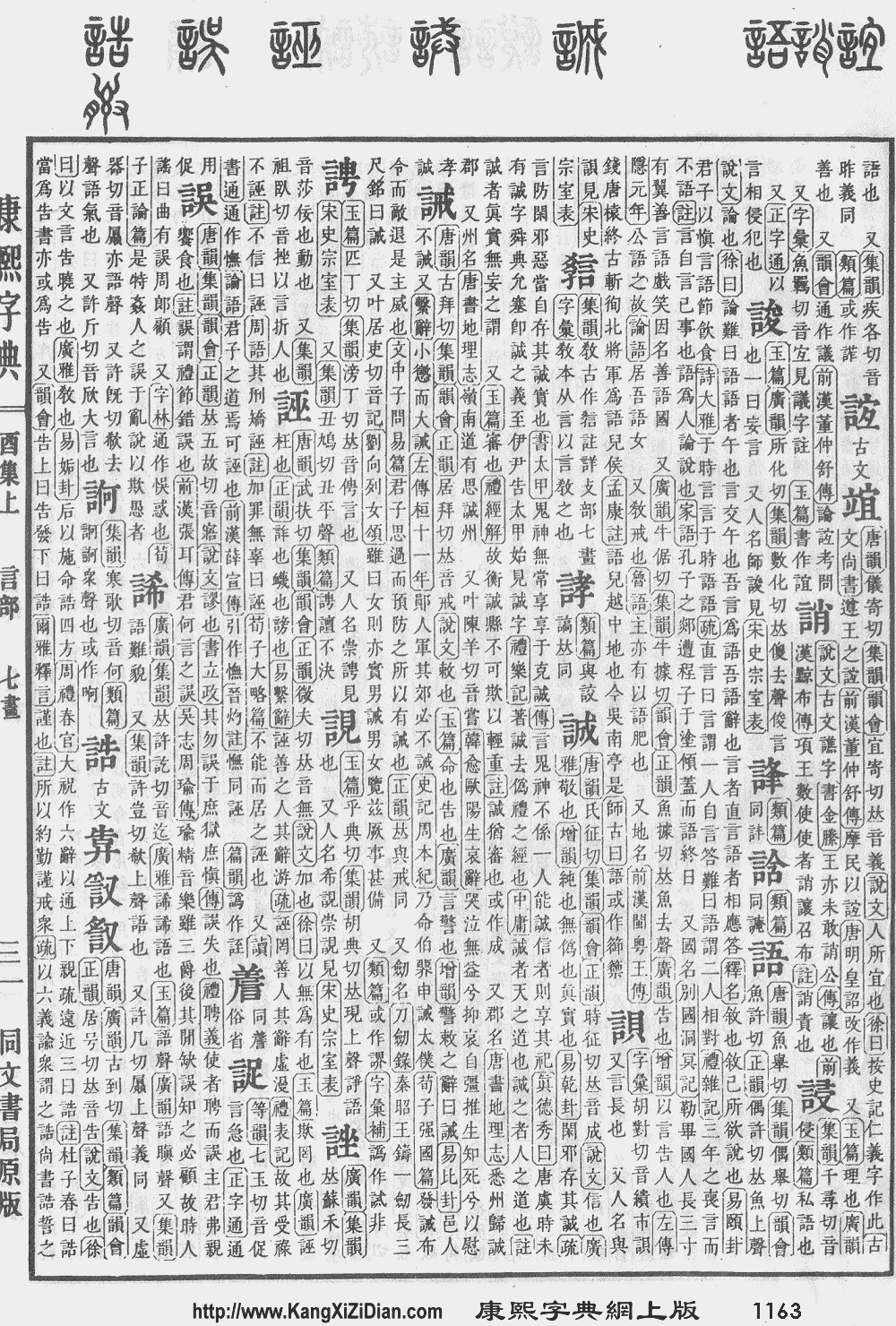
- Kangxi Dictionary: page 1163, character 8
- Dai Kanwa Jiten: character 35533
- Dae Jaweon: page 1628, character 2
- Hanyu Da Zidian (first edition): volume 6, page 3974, character 9
- Unihan data for U+8A9E
Chinese edit
| trad. | 語 | |
|---|---|---|
| simp. | 语 | |
Glyph origin edit
| Historical forms of the character 語 | ||||
|---|---|---|---|---|
| Spring and Autumn | Warring States | Shuowen Jiezi (compiled in Han) | ||
| Bronze inscriptions | Bronze inscriptions | Chu slip and silk script | Qin slip script | Small seal script |

|

|

|

|

|
Phono-semantic compound (形聲/形声, OC *ŋaʔ, *ŋas) : semantic 言 + phonetic 吾 (OC *ŋraː, *ŋaː).
Etymology edit
Compare Tibetan ངག (ngag, “speech”).
According to Schuessler (2007), 言 (OC *ŋan, “to speak; speech; talk”) is 語 (OC *ŋaʔ) with a nominal n-suffix.
Pronunciation 1 edit
Definitions edit
語
- to speak; to say
- (of an animal) to chirp; to hoot
- speech; language
- (linguistics) spoken language (contrary to written language 文)
- expression; words
- saying; proverb; set phrase
- movement or signal which transmits information
- chirping; tweet
Compounds edit
- 一家語/一家语
- 一言兩語/一言两语
- 一言半語/一言半语 (yīyánbànyǔ)
- 一言賴語/一言赖语
- 一語不發/一语不发
- 一語中人/一语中人
- 一語中的/一语中的 (yīyǔzhòngdì)
- 一語成讖/一语成谶 (yīyǔchéngchèn)
- 一語破的/一语破的 (yīyǔpòdì)
- 一語道破/一语道破 (yīyǔdàopò)
- 一語雙關/一语双关
- 一轉語/一转语
- 七言八語/七言八语
- 下斷語/下断语
- 三言兩語/三言两语 (sānyánliǎngyǔ)
- 下語/下语
- 三語/三语
- 三語掾/三语掾
- 三關語/三关语
- 不經之語/不经之语
- 不言不語/不言不语 (bùyánbùyǔ)
- 不言語/不言语
- 不語/不语 (bùyǔ)
- 不語先生/不语先生
- 不語兵/不语兵
- 世界語/世界语 (shìjièyǔ)
- 世語/世语
- 世說新語/世说新语 (Shìshuōxīnyǔ)
- 中語/中语
- 丹麥語/丹麦语 (Dānmàiyǔ)
- 主語/主语 (zhǔyǔ)
- 乩語/乩语
- 亂語胡言/乱语胡言
- 了語/了语
- 井蛙語海/井蛙语海
- 些語/些语
- 交語/交语
- 京語/京语 (jīngyǔ)
- 人語馬嘶/人语马嘶
- 今語/今语
- 仂語/仂语 (lèyǔ)
- 仡佬語/仡佬语 (gēlǎoyǔ)
- 他方言語/他方言语
- 代語/代语
- 伊多語/伊多语 (Yīduōyǔ)
- 伐山語/伐山语
- 作止語默/作止语默
- 何氏語林/何氏语林
- 作浪語/作浪语
- 低聲密語/低声密语
- 低聲細語/低声细语 (dīshēngxìyǔ)
- 作言造語/作言造语
- 佤語/佤语 (wǎyǔ)
- 低語/低语 (dīyǔ)
- 低頭不語/低头不语 (dītóubùyǔ)
- 侗語/侗语 (dòngyǔ)
- 佳語/佳语
- 侈語/侈语
- 保安語/保安语
- 俚語/俚语 (lǐyǔ)
- 俗語/俗语 (súyǔ)
- 俏語/俏语
- 俄語/俄语 (éyǔ)
- 俊語/俊语
- 俗諺俚語/俗谚俚语
- 倒語/倒语
- 俳語/俳语
- 倩語/倩语
- 偈語/偈语
- 偶語/偶语
- 傒語/傒语
- 傜語/傜语
- 傖語/伧语
- 傑語/杰语
- 傾蓋而語/倾盖而语
- 傷言扎語/伤言扎语
- 傾語/倾语
- 傳語/传语 (chuányǔ)
- 僻語/僻语
- 優語/优语
- 儷語/俪语
- 兒女子語/儿女子语
- 兒語/儿语
- 公案比語/公案比语
- 共同語/共同语 (gòngtóngyǔ)
- 共語/共语 (gòngyǔ)
- 冰語/冰语
- 冷言冷語/冷言冷语 (lěngyán lěngyǔ)
- 冷言熱語/冷言热语
- 冷語/冷语 (lěngyǔ)
- 冷語侵人/冷语侵人
- 冷語冰人/冷语冰人
- 凡語/凡语
- 出處語默/出处语默
- 出言吐語/出言吐语
- 出語/出语 (chūyǔ)
- 出語成章/出语成章
- 切切私語/切切私语 (qièqièsīyǔ)
- 分析語/分析语 (fēnxīyǔ)
- 判語/判语
- 別語/别语
- 刺語/刺语
- 刮語燒書/刮语烧书
- 刺骨語/刺骨语
- 副語言/副语言
- 剩語/剩语
- 劇語/剧语
- 劖言劖語/劖言劖语
- 劖言訕語/劖言讪语
- 助語/助语
- 千言萬語/千言万语 (qiānyánwànyǔ)
- 千語萬言/千语万言
- 半語子/半语子
- 半部論語/半部论语
- 博多語/博多语 (bóduōyǔ)
- 卡爾梅克語/卡尔梅克语 (kǎ'ěrméikè yǔ)
- 印歐語系/印欧语系 (Yìn-Ōu yǔxì)
- 危語/危语
- 卷頭語/卷头语
- 參語/参语
- 反語/反语 (fǎnyǔ)
- 叢殘小語/丛残小语
- 口語/口语 (kǒuyǔ)
- 口語傳播/口语传播
- 口頭語/口头语 (kǒutóuyǔ)
- 古語/古语 (gǔyǔ)
- 古語詞/古语词
- 同年而語/同年而语 (tóngnián'éryǔ)
- 同年語/同年语
- 同意語/同意语
- 同日而語/同日而语 (tóngrì'éryǔ)
- 同日語/同日语
- 吐火羅語/吐火罗语 (tǔhuǒluóyǔ)
- 同窗夜語/同窗夜语
- 同義語/同义语
- 同行語/同行语
- 吉語/吉语
- 同語/同语
- 合語/合语
- 名語/名语
- 同語線/同语线
- 吃語詩/吃语诗
- 吳儂嬌語/吴侬娇语
- 吳儂軟語/吴侬软语 (wúnóngruǎnyǔ)
- 告語/告语
- 吳語/吴语 (wúyǔ)
- 呢喃細語/呢喃细语
- 呪語/呪语 (zhòuyǔ)
- 呼語/呼语 (hūyǔ)
- 咒語/咒语 (zhòuyǔ)
- 和語/和语
- 和闐語/和阗语
- 哈薩克語/哈萨克语
- 哄語/哄语
- 咽語/咽语
- 問語/问语
- 啞語/哑语 (yǎyǔ)
- 喁喁細語/喁喁细语
- 喃喃細語/喃喃细语
- 喃喃自語/喃喃自语 (nánnánzìyǔ)
- 單語/单语 (dānyǔ)
- 喋語/喋语
- 單音語/单音语
- 嘿嘿無語/嘿嘿无语
- 囈語/呓语 (yìyǔ)
- 國語/国语 (guóyǔ)
- 國語文/国语文
- 國語日報/国语日报
- 國語會/国语会
- 國語辭典/国语辞典
- 國語配音/国语配音
- 土家語/土家语 (tǔjiāyǔ)
- 土族語/土族语
- 土耳其語/土耳其语 (tǔ'ěrqíyǔ)
- 土語/土语 (tǔyǔ)
- 坊中語/坊中语
- 坐語/坐语
- 培基語言/培基语言
- 報表語言/报表语言
- 塔吉克語/塔吉克语 (tǎjíkèyǔ)
- 壯侗語族/壮侗语族
- 壯語/壮语 (zhuàngyǔ)
- 夏蟲語冰/夏虫语冰
- 外來語/外来语 (wàiláiyǔ)
- 外國語/外国语 (wàiguóyǔ)
- 外語/外语 (wàiyǔ)
- 多言多語/多言多语
- 多語教育/多语教育
- 夢語/梦语 (mèngyǔ)
- 大眾語/大众语
- 大眾語文/大众语文
- 大語/大语 (dàyǔ)
- 天語/天语
- 失語/失语 (shīyǔ)
- 失語症/失语症 (shīyǔzhèng)
- 套語/套语 (tàoyǔ)
- 好言好語/好言好语
- 好語/好语
- 妄語/妄语 (wàngyǔ)
- 好語似珠/好语似珠
- 妙語/妙语 (miàoyǔ)
- 妙語如珠/妙语如珠
- 妙語橫生/妙语横生
- 妙語解頤/妙语解颐
- 妙語連珠/妙语连珠 (miàoyǔliánzhū)
- 妲語/妲语
- 姿語/姿语
- 妍語/妍语
- 媟語/媟语
- 嫚語/嫚语
- 嬌聲細語/娇声细语
- 嬌語/娇语
- 子不語/子不语
- 孔子家語/孔子家语
- 孤立語/孤立语 (gūlìyǔ)
- 學語/学语
- 定語/定语 (dìngyǔ)
- 客套語/客套语
- 家語/家语
- 宴語/宴语
- 密語/密语 (mìyǔ)
- 宿語/宿语
- 寄語/寄语 (jìyǔ)
- 寐語/寐语
- 實語/实语
- 寤語/寤语
- 審語/审语
- 寬語/宽语
- 寱語/寱语
- 對床夜語/对床夜语
- 對語/对语
- 導語/导语
- 小語/小语
- 少言寡語/少言寡语 (shǎoyánguǎyǔ)
- 尖言冷語/尖言冷语
- 屈折語/屈折语 (qūzhéyǔ)
- 屏語/屏语
- 左語/左语
- 巧語花言/巧语花言
- 巴利語/巴利语 (Bālìyǔ)
- 市語/市语
- 布里亞特語/布里亚特语 (bùlǐyàtè yǔ)
- 常語/常语
- 平家物語/平家物语
- 平語/平语
- 廋語/廋语
- 廢語/废语
- 弁語/弁语
- 彝語 (Yíyǔ)
- 形語/形语
- 影子語/影子语
- 徒語/徒语
- 微語/微语
- 德語/德语 (déyǔ)
- 快人快語/快人快语
- 快語/快语
- 思深語近/思深语近
- 恆語/恒语
- 悄語/悄语
- 惡言惡語/恶言恶语
- 惡言潑語/恶言泼语
- 情語/情语
- 惡語/恶语 (èyǔ)
- 慣用語/惯用语 (guànyòngyǔ)
- 慢聲慢語/慢声慢语
- 慧語/慧语
- 憑肩語/凭肩语
- 成語/成语 (chéngyǔ)
- 戲語/戏语
- 手勢語/手势语
- 才語/才语
- 手語/手语 (shǒuyǔ)
- 手語歌/手语歌
- 打市語/打市语
- 打誑語/打诳语
- 批語/批语 (pīyǔ)
- 拉丁語/拉丁语 (lādīngyǔ)
- 拉祜語/拉祜语 (Lāhùyǔ)
- 拗語/拗语
- 指語/指语
- 按語/按语 (ànyǔ)
- 掉書語/掉书语
- 排語/排语
- 提稱語/提称语
- 摘語/摘语
- 撒謎語/撒谜语
- 擿語/擿语
- 攙言接語/搀言接语
- 放語/放语
- 故語/故语
- 敕語/敕语
- 散言碎語/散言碎语
- 散語/散语
- 文學語言/文学语言 (wénxué yǔyán)
- 文語/文语
- 新語/新语 (xīnyǔ)
- 斷語/断语 (duànyǔ)
- 方語/方语
- 旗語/旗语 (qíyǔ)
- 日語/日语 (rìyǔ)
- 昵語
- 晏語/晏语
- 時語/时语
- 晤語/晤语
- 普米語/普米语
- 景語/景语
- 暗語/暗语 (ànyǔ)
- 曉語/晓语
- 書語/书语
- 書面語/书面语 (shūmiànyǔ)
- 曼語/曼语
- 會語/会语
- 朝鮮語/朝鲜语
- 本語/本语
- 朱子語錄/朱子语录
- 朱子語類/朱子语类
- 朱語/朱语
- 村學究語/村学究语
- 林加拉語/林加拉语 (Línjiālāyǔ)
- 枝詞蔓語/枝词蔓语
- 東語/东语 (dōngyǔ)
- 枉語/枉语
- 枝辭蔓語/枝辞蔓语
- 枕邊細語/枕边细语 (zhěnbiān xìyǔ)
- 枸肆語/枸肆语
- 查語/查语
- 桓殷危語
- 案語/案语 (ànyǔ)
- 校語/校语 (jiàoyǔ)
- 梵語/梵语 (fànyǔ)
- 椎結左語/椎结左语
- 椎髻鳥語/椎髻鸟语
- 楹語/楹语
- 楚語/楚语
- 標準語/标准语 (biāozhǔnyǔ)
- 樂語/乐语
- 標語/标语 (biāoyǔ)
- 機器語言/机器语言 (jīqì yǔyán)
- 機語/机语
- 欲語還休/欲语还休
- 款語/款语
- 款語溫言/款语温言
- 歇後語/歇后语 (xiēhòuyǔ)
- 歇後迷語/歇后迷语
- 歡語/欢语
- 正語/正语 (zhèngyǔ)
- 歷史語詞/历史语词
- 殊言別語/殊言别语
- 母語/母语 (mǔyǔ)
- 母語人士/母语人士 (mǔyǔ rénshì)
- 毒語/毒语
- 比語/比语
- 民語/民语
- 江湖術語/江湖术语
- 沖言沖語/冲言冲语
- 決語/决语
- 法語/法语
- 泰語/泰语 (tàiyǔ)
- 法誡語/法诫语
- 流行語/流行语 (liúxíngyǔ)
- 流言混語/流言混语
- 流言蜚語/流言蜚语 (liúyánfēiyǔ)
- 流言風語/流言风语
- 流言飛語/流言飞语 (liúyánfēiyǔ)
- 流語/流语
- 涎言涎語/涎言涎语
- 浮語/浮语
- 浪語/浪语
- 浮語虛辭/浮语虚辞
- 混合語/混合语
- 淫言媟語/淫言媟语
- 淫言狎語/淫言狎语
- 淫詞穢語/淫词秽语
- 淫詞褻語/淫词亵语
- 深語/深语
- 淫語/淫语 (yínyǔ)
- 淺語/浅语
- 清語/清语 (qīngyǔ)
- 温語
- 湘語/湘语 (xiāngyǔ)
- 游語/游语
- 源氏物語/源氏物语 (Yuánshì Wùyǔ)
- 溢語/溢语
- 溫語/温语
- 漢藏語系/汉藏语系 (Hàn-Zàng yǔxì)
- 漫語/漫语
- 漢語/汉语 (hànyǔ)
- 滿語/满语 (mǎnyǔ)
- 漏語/漏语
- 漢語水平考試/汉语水平考试 (Hànyǔ Shuǐpíng Kǎoshì)
- 潑言語/泼言语
- 潛語/潜语
- 潑語/泼语
- 無語/无语 (wúyǔ)
- 煩言碎語/烦言碎语
- 熟語/熟语 (shúyǔ)
- 熱語/热语
- 燈語/灯语
- 燕語/燕语
- 燕語鶯呼/燕语莺呼
- 燕語鶯啼/燕语莺啼
- 燕語鶯聲/燕语莺声
- 爭語/争语
- 片言隻語/片言只语 (piànyánzhīyǔ)
- 片語/片语 (piànyǔ)
- 片語隻字/片语只字
- 片語隻辭/片语只辞
- 牙牙學語/牙牙学语 (yáyáxuéyǔ)
- 狀語/状语 (zhuàngyǔ)
- 狎語/狎语
- 猇聲狺語/猇声狺语
- 獨立語/独立语
- 獨語/独语
- 獨龍語/独龙语 (dúlóngyǔ)
- 獷語/犷语
- 玄語/玄语
- 玄辭冷語/玄辞冷语
- 率語/率语
- 理語/理语
- 琵琶胡語/琵琶胡语
- 琵琶舊語/琵琶旧语
- 瑣語/琐语 (suǒyǔ)
- 璅語/璅语
- 甘言美語/甘言美语
- 甜言媚語/甜言媚语
- 甜言美語/甜言美语 (tiányánměiyǔ)
- 甜言蜜語/甜言蜜语 (tiányánmìyǔ)
- 甜言軟語/甜言软语
- 甜語花言/甜语花言
- 生花妙語/生花妙语
- 生語/生语
- 用語/用语 (yòngyǔ)
- 畏語/畏语
- 略語/略语 (lüèyǔ)
- 番語/番语
- 疏語/疏语
- 痁語/痁语
- 瘋語/疯语
- 發言發語/发言发语
- 發語/发语
- 發語詞/发语词 (fāyǔcí)
- 發語辭/发语辞
- 白語/白语 (báiyǔ)
- 百家語/百家语
- 的語/的语
- 盡語/尽语
- 盧森堡語/卢森堡语 (lúsēnbǎoyǔ)
- 目挑眉語/目挑眉语
- 目語/目语
- 目語額瞬/目语额瞬
- 直語/直语
- 直語補證/直语补证
- 眉來語去/眉来语去
- 眉語/眉语
- 相語/相语
- 看語/看语
- 眉語目笑/眉语目笑
- 真語/真语
- 眼語/眼语
- 眯語
- 眼語頤指/眼语颐指
- 睡語/睡语
- 瞽語/瞽语
- 短語/短语 (duǎnyǔ)
- 矯語/矫语
- 砂磴語/砂磴语
- 硃語/朱语
- 硬語/硬语
- 硬語盤空/硬语盘空
- 祖語/祖语 (zǔyǔ)
- 神語/神语
- 禁中語/禁中语
- 禁語/禁语
- 禁近語/禁近语
- 福傳語言/福传语言
- 禍起飛語/祸起飞语
- 禪語/禅语
- 禽語/禽语
- 萬語千言/万语千言
- 私情密語/私情密语
- 私言切語/私言切语
- 秀語/秀语
- 私語/私语 (sīyǔ)
- 程式語言/程式语言 (chéngshì yǔyán)
- 稚語/稚语
- 稗說瑣語/稗说琐语
- 穢語/秽语 (huìyǔ)
- 穢語汙言/秽语污言
- 空言虛語/空言虚语
- 空語/空语
- 突厥語/突厥语 (tūjuéyǔ)
- 突厥語族/突厥语族 (tūjué yǔzú)
- 窮言雜語/穷言杂语
- 竊竊私語/窃窃私语 (qièqièsīyǔ)
- 竊竊細語/窃窃细语
- 立語/立语
- 童語/童语
- 竹取物語/竹取物语 (Zhúqǔ Wùyǔ)
- 笑語/笑语
- 笑語指麾/笑语指麾
- 答語/答语
- 筆語/笔语
- 箏語/筝语
- 箝語/箝语
- 篇語/篇语
- 米佐語/米佐语 (mǐzuǒyǔ)
- 粗聲厲語/粗声厉语
- 粵語/粤语 (yuèyǔ)
- 粹語/粹语
- 紙上語/纸上语
- 納西語/纳西语 (nàxīyǔ)
- 組合語言/组合语言 (zǔhé yǔyán)
- 細語/细语 (xìyǔ)
- 結束語/结束语 (jiéshùyǔ)
- 結語/结语 (jiéyǔ)
- 絮語/絮语
- 綜合語/综合语 (zōnghéyǔ)
- 維吾爾語/维吾尔语 (wéiwú'ěryǔ)
- 維語/维语 (wéiyǔ)
- 綺語/绮语 (qǐyǔ)
- 綸音佛語/纶音佛语
- 縮略語/缩略语 (suōlüèyǔ)
- 縮語/缩语
- 罕言寡語/罕言寡语
- 羌語/羌语
- 美語/美语 (Měiyǔ)
- 羨語/羡语
- 羯語/羯语 (jiéyǔ)
- 翻語/翻语
- 考語/考语 (kǎoyǔ)
- 老語/老语
- 耦語/耦语
- 耳語/耳语 (ěryǔ)
- 聖語/圣语
- 肢體語言/肢体语言 (zhītǐ yǔyán)
- 胡言亂語/胡言乱语 (húyánluànyǔ)
- 胡言漢語/胡言汉语 (húyánhànyǔ)
- 胡語/胡语 (húyǔ)
- 胡說亂語/胡说乱语
- 能言快語/能言快语
- 能語狼/能语狼
- 腐語/腐语
- 腹語/腹语 (fùyǔ)
- 腦語/脑语
- 腹語術/腹语术 (fùyǔshù)
- 膚語/肤语
- 膝語蛇行/膝语蛇行
- 膩語/腻语
- 臨別贈語/临别赠语
- 自言自語/自言自语 (zìyánzìyǔ)
- 致語/致语
- 臺灣國語/台湾国语
- 臺語/台语 (táiyǔ)
- 舉止言語/举止言语
- 花言巧語/花言巧语 (huāyánqiǎoyǔ)
- 花語/花语 (huāyǔ)
- 花香鳥語/花香鸟语
- 苗瑤語族/苗瑶语族
- 苟語/苟语
- 苦語/苦语
- 英語/英语 (yīngyǔ)
- 英語民族/英语民族
- 莊語/庄语
- 華語/华语 (huáyǔ)
- 葉語/叶语
- 蒙古語/蒙古语 (měnggǔyǔ)
- 藏語/藏语 (Zàngyǔ)
- 虛語/虚语
- 蛩語/蛩语
- 蜂語/蜂语
- 蜚語/蜚语 (fēiyǔ)
- 蜜語甜言/蜜语甜言
- 蠻歌獠語/蛮歌獠语
- 蠻語/蛮语
- 行業語/行业语
- 術語/术语 (shùyǔ)
- 街談巷語/街谈巷语
- 街頭巷語/街头巷语
- 表語/表语 (biǎoyǔ)
- 衷腸密語/衷肠密语
- 補語/补语 (bǔyǔ)
- 複綜語/复综语
- 褒語/褒语 (bāoyǔ)
- 複語/复语
- 褻語/亵语
- 西班牙語/西班牙语 (xībānyáyǔ)
- 要語/要语
- 規語/规语
- 親屬語言/亲属语言
- 解語/解语
- 解語盃/解语杯
- 解語花/解语花 (jiěyǔhuā)
- 言三語四/言三语四
- 言來語去/言来语去
- 言兒語子/言儿语子
- 言多語失/言多语失
- 言差語錯/言差语错
- 言言語語/言言语语
- 言語/言语
- 言語無味/言语无味
- 言語路絕/言语路绝
- 言語道斷/言语道断
- 言語高低/言语高低
- 言顛語倒/言颠语倒
- 言高語低/言高语低
- 訊語/讯语
- 訓語/训语
- 訕語/讪语
- 訛言課語/讹言课语
- 訛言謊語/讹言谎语
- 訣語/诀语
- 訛語/讹语
- 訛語影帶/讹语影带
- 詀言詀語/𧮪言𧮪语
- 訴語/诉语
- 評語/评语 (píngyǔ)
- 註語/注语
- 詈語/詈语 (lìyǔ)
- 詐語/诈语
- 詔語/诏语
- 詞語/词语 (cíyǔ)
- 詆語/诋语
- 詠語/咏语
- 誆言詐語/诓言诈语
- 話言話語/话言话语
- 詭語/诡语
- 話語/话语 (huàyǔ)
- 誅語/诛语
- 誆語/诓语
- 詼語/诙语
- 詳語/详语
- 詩語/诗语
- 語不投機/语不投机
- 語不擇人/语不择人
- 語不驚人/语不惊人
- 語令/语令
- 語例/语例
- 語偷/语偷
- 語兒/语儿
- 語兒亭/语儿亭
- 語兒巾/语儿巾
- 語兒梨/语儿梨
- 語兒鄉/语儿乡
- 語典/语典
- 語冰/语冰
- 語出月脅/语出月胁
- 語別/语别
- 語剌剌/语剌剌
- 語助/语助
- 語助詞/语助词
- 語勢/语势
- 語匯/语汇 (yǔhuì)
- 語句/语句 (yǔjù)
- 語吃氣阻/语吃气阻
- 語嘿/语嘿
- 語四言三/语四言三
- 語國/语国
- 語塞/语塞 (yǔsè)
- 語境/语境 (yǔjìng)
- 語妙天下/语妙天下
- 語妙絕倫/语妙绝伦
- 語學/语学
- 語尾/语尾 (yǔwěi)
- 語常/语常
- 語序/语序 (yǔxù)
- 語度/语度
- 語弊/语弊
- 語彙/语汇 (yǔhuì)
- 語心/语心
- 語忘/语忘
- 語忌/语忌
- 語怪/语怪
- 語意/语意 (yǔyì)
- 語感/语感 (yǔgǎn)
- 語意學/语意学
- 語態/语态 (yǔtài)
- 語戲/语戏
- 語支/语支 (yǔzhī)
- 語數/语数
- 語文/语文 (yǔwén)
- 語文學/语文学 (yǔwénxué)
- 語料/语料 (yǔliào)
- 語料庫/语料库 (yǔliàokù)
- 語族/语族 (yǔzú)
- 語林/语林
- 語柄/语柄
- 語根/语根 (yǔgēn)
- 語格/语格
- 語次/语次
- 語氣/语气 (yǔqì)
- 語氣詞/语气词 (yǔqìcí)
- 語泄
- 語法/语法 (yǔfǎ)
- 語法學/语法学 (yǔfǎxué)
- 語源/语源 (yǔyuán)
- 語源學/语源学 (yǔyuánxué)
- 語澀/语涩
- 語焉不詳/语焉不详 (yǔyānbùxiáng)
- 語無倫次/语无伦次 (yǔwúlúncì)
- 語無詮次/语无诠次
- 語燕/语燕
- 語用學/语用学 (yǔyòngxué)
- 語病/语病 (yǔbìng)
- 語短情長/语短情长
- 語種/语种 (yǔzhǒng)
- 語笑/语笑
- 語笑喧呼
- 語笑喧嘩/语笑喧哗
- 語笑喧譁/语笑喧哗
- 語笑喧闐/语笑喧阗
- 語簡意賅/语简意赅
- 語系/语系 (yǔxì)
- 語素/语素 (yǔsù)
- 語群/语群
- 語義哲學/语义哲学
- 語義學/语义学 (yǔyìxué)
- 語聲/语声
- 語脈/语脉
- 語致/语致
- 語言/语言
- 語言學/语言学 (yǔyánxué)
- 語言治療/语言治疗 (yǔyán zhìliáo)
- 語言無味/语言无味
- 語言邏輯/语言逻辑
- 語言顛倒/语言颠倒
- 語訛/语讹
- 語詞/语词 (yǔcí)
- 語話/语话
- 誡語/诫语
- 語語/语语
- 誖語/誖语
- 說語/说语
- 語誤/语误
- 誑語/诳语 (kuángyǔ)
- 語說/语说
- 誥語/诰语
- 語論/语论
- 語調/语调 (yǔdiào)
- 語諭/语谕
- 語議/语议
- 語讖/语谶
- 語轉/语转
- 語辭/语辞
- 語近指遠/语近指远
- 語近詞冗/语近词冗
- 語逆/语逆
- 語重心沉/语重心沉
- 語重心長/语重心长 (yǔzhòngxīncháng)
- 語重情深/语重情深
- 語鈴/语铃
- 語鋒/语锋
- 語錄/语录 (yǔlù)
- 語錄體/语录体
- 語長心重/语长心重
- 語關關/语关关
- 語阱/语阱
- 語難/语难
- 語音/语音 (yǔyīn)
- 語音信箱/语音信箱 (yǔyīn xìnxiāng)
- 語音合成/语音合成
- 語音學/语音学 (yǔyīnxué)
- 語音郵件/语音邮件 (yǔyīn yóujiàn)
- 語類/语类 (yǔlèi)
- 語風/语风
- 語體/语体 (yǔtǐ)
- 語體文/语体文 (yǔtǐwén)
- 語體詩/语体诗
- 語鳥/语鸟
- 語默/语默
- 誶語/谇语
- 論語/论语 (Lúnyǔ)
- 誹語/诽语 (fěiyǔ)
- 諂語/谄语
- 談語/谈语
- 課語訛言/课语讹言
- 謂語/谓语 (wèiyǔ)
- 諧語/谐语
- 諛語/谀语
- 諦語/谛语
- 諢語/诨语
- 諺語/谚语 (yànyǔ)
- 謎言謎語/谜言谜语
- 講語/讲语
- 謠語/谣语
- 謎語/谜语 (míyǔ)
- 謙語/谦语
- 謊語/谎语
- 謗語/谤语
- 謰語/𬣽语 (liányǔ)
- 謬語/谬语
- 謾語/谩语
- 警語/警语
- 譬語/譬语 (pìyǔ)
- 議語/议语
- 譯語/译语 (yìyǔ)
- 譫語/谵语
- 譯語官/译语官
- 讌語/宴语
- 讒言佞語/谗言佞语
- 讕語/谰语
- 讔語/𮙊语
- 讖語/谶语 (chènyǔ)
- 讒語/谗语
- 讖語餅/谶语饼
- 讚語/赞语
- 讞語/谳语
- 豔語/艳语
- 豪言壯語/豪言壮语 (háoyánzhuàngyǔ)
- 豪語/豪语
- 賓語/宾语 (bīnyǔ)
- 賸語/剩语
- 贅語/赘语
- 贈語/赠语
- 贊語/赞语
- 贗語/赝语
- 贛語/赣语 (gànyǔ)
- 起語/起语
- 跋語/跋语 (báyǔ)
- 踏語/踏语
- 躗語/躗语
- 軟語/软语
- 軟語溫存/软语温存
- 軟語溫言/软语温言
- 軟談麗語/软谈丽语
- 輕聲細語/轻声细语
- 輕言細語/轻言细语
- 輕言軟語/轻言软语
- 輕言輕語/轻言轻语
- 轉語/转语
- 辣語/辣语
- 辭語/辞语
- 迂語/迂语
- 述語/述语 (shùyǔ)
- 迥語/迥语
- 迷言迷語/迷言迷语
- 迷語/迷语
- 送語/送语
- 迴語/回语
- 造語/造语
- 通語/通语 (tōngyǔ)
- 連語/连语
- 達斡爾語/达斡尔语 (dáwò'ěr yǔ)
- 道語/道语
- 過語/过语
- 遊語/游语
- 遙語/遥语
- 遮語/遮语
- 遺語/遗语
- 邏輯主語/逻辑主语
- 鄉語/乡语
- 鄙褻語/鄙亵语
- 鄙言俚語/鄙言俚语
- 鄙語/鄙语
- 酒言酒語/酒言酒语
- 醉語/醉语
- 醜語/丑语
- 醼語/宴语
- 里語
- 野語/野语
- 金石語/金石语
- 金華殿語/金华殿语
- 釣語/钓语
- 鈍語/钝语
- 鈞語/钧语
- 鉗語/钳语
- 鈴語/铃语
- 鐸語/铎语
- 鑄語/铸语
- 長語/长语
- 門面語/门面语
- 閒言亂語/闲言乱语
- 閒言冷語/闲言冷语
- 閒言淡語/闲言淡语
- 閒言潑語/闲言泼语
- 閒言碎語/闲言碎语
- 閒言語/闲言语
- 閒言贅語/闲言赘语
- 閒言長語/闲言长语
- 閒言閒語/闲言闲语
- 閒語/闲语
- 閩南語/闽南语 (mǐnnányǔ)
- 閩語/闽语 (mǐnyǔ)
- 闌語/阑语
- 阿拉伯語/阿拉伯语 (ālābóyǔ)
- 附致語/附致语
- 附語/附语
- 阿迪格語/阿迪格语 (ādígéyǔ)
- 限定語/限定语
- 險語/险语
- 隱語/隐语 (yǐnyǔ)
- 隻字片語/只字片语
- 隻言片語/只言片语 (zhīyánpiànyǔ)
- 隻語/只语
- 雅語/雅语
- 雋語/隽语 (juànyǔ)
- 雜語/杂语
- 雙語/双语 (shuāngyǔ)
- 雙關語/双关语 (shuāngguānyǔ)
- 電影語言/电影语言
- 電腦語言/电脑语言
- 靜語/静语
- 非母語人士/非母语人士 (fēi-mǔyǔ rénshì)
- 非語/非语
- 音語/音语
- 韻語/韵语 (yùnyǔ)
- 頌語/颂语
- 風裡語/风里语
- 風言俏語/风言俏语
- 風言影語/风言影语
- 風言醋語/风言醋语
- 風言霧語/风言雾语
- 風言風語/风言风语 (fēngyán fēngyǔ)
- 風語/风语
- 飛語/飞语 (fēiyǔ)
- 飾語/饰语
- 餘語/余语
- 馬拉加斯語/马拉加斯语 (mǎlājiāsīyǔ)
- 駢語/骈语
- 騷語/骚语
- 體語/体语
- 高山語/高山语
- 高語/高语
- 高階語言/高阶语言 (gāojiē yǔyán)
- 魘語/魇语
- 魯語/鲁语
- 鳥語/鸟语 (niǎoyǔ)
- 鳥語花香/鸟语花香 (niǎoyǔhuāxiāng)
- 鳳語/凤语
- 鵲語/鹊语
- 鶯啼燕語/莺啼燕语
- 鶯歌燕語/莺歌燕语
- 鶯聲燕語/莺声燕语
- 鶯語/莺语
- 鶴語/鹤语
- 鸚語/鹦语
- 麗語/丽语
- 麤語/粗语
- 黃鶯語/黄莺语
- 黎語/黎语 (líyǔ)
- 黑言誑語/黑言诳语
- 默語/默语
- 默默不語/默默不语
- 默默無語/默默无语
- 黨語/党语
- 齊東語/齐东语
- 齊東野語/齐东野语 (qídōngyěyǔ)
- 龍言鳳語/龙言凤语
Pronunciation 2 edit
Definitions edit
語
- † to tell; to inform
- 子好遊乎?吾語子遊。人知之亦囂囂、人不知亦囂囂。 [Classical Chinese, trad.]
- From: Mencius, c. 4th century BCE, translated based on James Legge's version
- Zǐ hào yóu hū? Wú yù zǐ yóu. Rén zhī zhī yì xiāoxiāo, rén bùzhī yì xiāoxiāo. [Pinyin]
- Are you, Sir, fond of travelling to the different courts? I will tell you about such travelling. If a prince acknowledge you and follow your counsels, be perfectly satisfied. If no one do so, be the same.
子好游乎?吾语子游。人知之亦嚣嚣、人不知亦嚣嚣。 [Classical Chinese, simp.]
Descendants edit
References edit
- “語”, in 漢語多功能字庫 (Multi-function Chinese Character Database)[1], 香港中文大學 (the Chinese University of Hong Kong), 2014–
Japanese edit
Kanji edit
語
Readings edit
- Go-on: ご (go, Jōyō)
- Kan-on: ぎょ (gyo)
- Kun: かたらう (katarau, 語らう, Jōyō)←かたらふ (katarafu, 語らふ, historical); かたる (kataru, 語る, Jōyō); ことば (kotoba, 語); つげる (tsugeru, 語げる)
Compounds edit
Etymology edit
| Kanji in this term |
|---|
| 語 |
| ご Grade: 2 |
| goon |

From Middle Chinese 語 (MC ngjoX).
Pronunciation edit

Noun edit
- (linguistics) a word, term
- a proverb
Derived terms edit
Derived terms
Suffix edit
Derived terms edit
Derived terms
Affix edit
Derived terms edit
Derived terms
- 語意 (goi)
- 語彙 (goi)
- 語格 (gokaku, “grammar”)
- 語学 (gogaku)
- 語感 (gokan)
- 語幹 (gokan)
- 語気 (goki)
- 語義 (gogi)
- 語句 (goku)
- 語群 (gogun, “language group”)
- 語形 (gokei)
- 語源 (gogen)
- 語根 (gokon)
- 語釈 (goshaku, “explanation or explication of a word, term, phrase, or clause”)
- 語順 (gojun)
- 語数 (gosū, “number of words”)
- 語勢 (gosei, “stress, tone, or emphasis; a manner of speaking”)
- 語族 (gozoku)
- 語調 (gochō)
- 語頭 (gotō, “head or beginning of a word”)
- 語尾 (gobi)
- 語弊 (gohei, “a misleading expression; a misunderstanding”)
- 語法 (gohō)
- 語脈 (gomyaku, “the interrelationship of words”)
- 語類 (gorui, “part of speech”)
- 語呂 (goro)
- 語録 (goroku)
- 隠語 (ingo)
- 漢語 (kango)
- 敬語 (keigo)
- 結語 (ketsugo)
- 源語 (Gengo)
- 言語 (gengo)
- 古語 (kogo)
- 口語 (kōgo)
- 豪語 (gōgo)
- 言語 (gongo)
- 私語 (shigo)
- 耳語 (jigo)
- 熟語 (jukugo)
- 新語 (shingo)
- 勢語 (Seigo)
- 成語 (seigo)
- 祖語 (sogo)
- 壮語 (sōgo)
- 単語 (tango)
- 珍語 (chingo)
- 独語 (dokugo)
- 難語 (nango)
- 標語 (hyōgo)
- 平語 (heigo)
- 文語 (bungo)
- 母語 (bogo)
- 妄語 (bōgo)
- 妄語 (mōgo)
References edit
- ^ Matsumura, Akira, editor (2006), 大辞林 (in Japanese), Third edition, Tōkyō: Sanseidō, →ISBN
- ^ NHK Broadcasting Culture Research Institute, editor (1998), NHK日本語発音アクセント辞典 [NHK Japanese Pronunciation Accent Dictionary] (in Japanese), Tōkyō: NHK Publishing, →ISBN
Korean edit
Etymology edit
From Middle Chinese 語 (MC ngjoX).
| Historical Readings | ||
|---|---|---|
| Dongguk Jeongun Reading | ||
| Dongguk Jeongun, 1448 | ᅌᅥᆼ〯 (Yale: ngě) | |
| Middle Korean | ||
| Text | Eumhun | |
| Gloss (hun) | Reading | |
| Hunmong Jahoe, 1527[2] | 말〯ᄉᆞᆷ〮 (Yale: mǎlsóm) | 어〯 (Yale: ě) |
Pronunciation edit
- (SK Standard/Seoul) IPA(key): [ɘ(ː)]
- Phonetic hangul: [어(ː)]
- Though still prescribed in Standard Korean, most speakers in both Koreas no longer distinguish vowel length.
Hanja edit

Compounds edit
Compounds
- 구어 (口語, gueo)
- 논어 (論語, noneo)
- 단어 (單語, daneo)
- 문어 (文語, muneo)
- 어간 (語幹, eogan)
- 어구 (語句, eogu)
- 어근 (語根, eogeun)
- 어록 (語錄, eorok)
- 어미 (語尾, eomi)
- 어법 (語法, eobeop)
- 어색 (語塞, eosaek)
- 어원 (語源, eowon)
- 어절 (語節, eojeol)
- 어학 (語學, eohak)
- 언어 (言語, eoneo)
- 용어 (用語, yong'eo)
- 은어 (隱語, euneo)
- 주어 (主語, jueo)
- 보어 (補語, bo'eo)
- 어휘 (語彙, eohwi)
- 유언비어 (流言蜚語, yueonbieo)
- 어불성설 (語不成說, eobulseongseol)
- 언어도단 (言語道斷, eoneododan)
- 감언미어 (甘言美語, gameonmieo)
References edit
- 국제퇴계학회 대구경북지부 (國際退溪學會 大邱慶北支部) (2007). Digital Hanja Dictionary, 전자사전/電子字典. [3]
Vietnamese edit
Han character edit
語: Hán Việt readings: ngữ[1][2][3]
語: Nôm readings: ngỡ[1][2][3][4], ngửa[1][2][3][4], ngữ[1][2][3], ngứa[1][3], ngợ[3][4], gỡ[1]