
要
| ||||||||
Translingual edit
| Stroke order | |||
|---|---|---|---|

| |||
| Stroke order | |||
|---|---|---|---|

| |||
Han character edit
要 (Kangxi radical 146, 襾+3, 9 strokes, cangjie input 一田女 (MWV), four-corner 10404, composition ⿱覀女)
Derived characters edit
Descendants edit
References edit
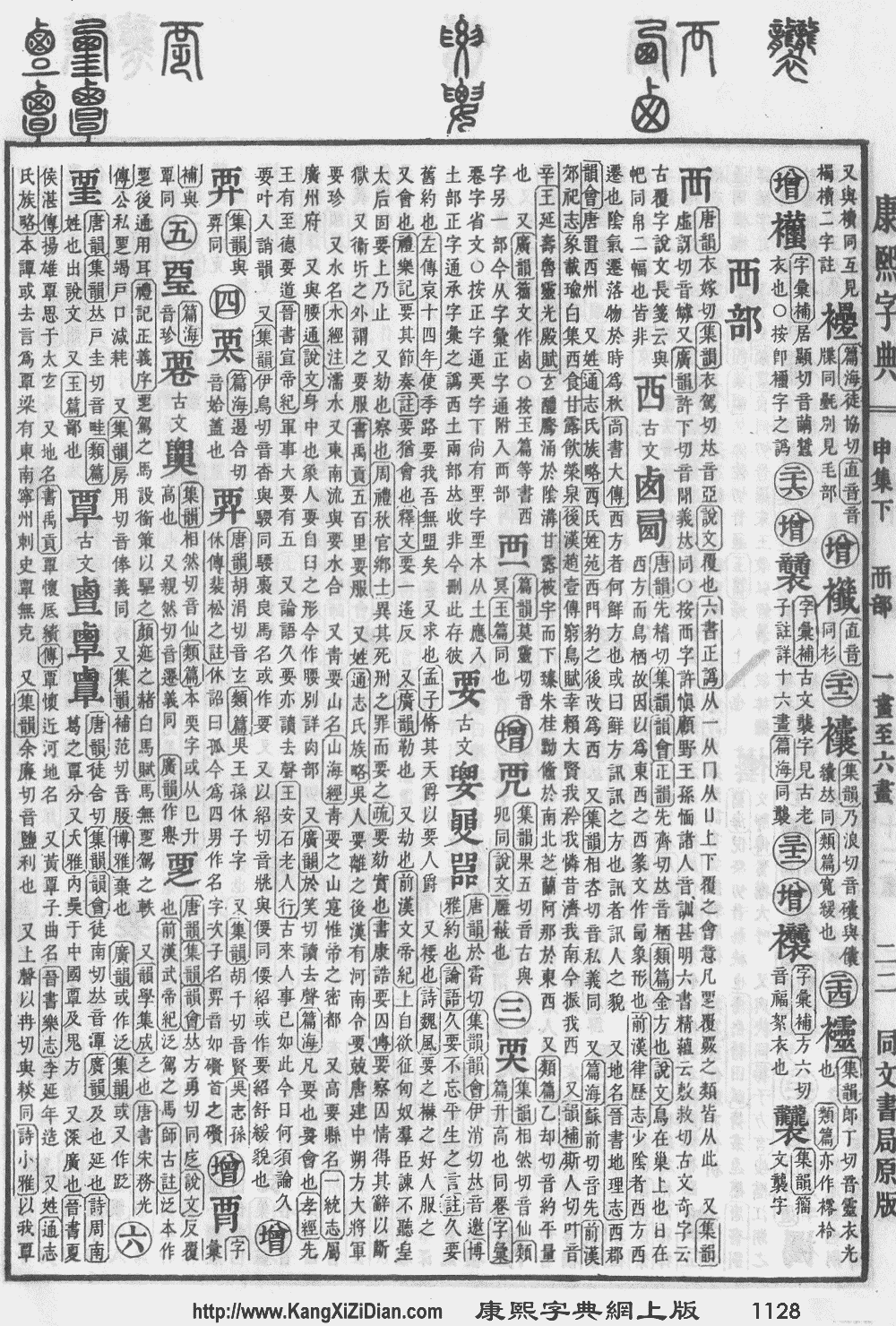
- Kangxi Dictionary: page 1128, character 16
- Dai Kanwa Jiten: character 34768
- Dae Jaweon: page 1597, character 4
- Hanyu Da Zidian (first edition): volume 4, page 2805, character 8
- Unihan data for U+8981
Chinese edit
| trad. | 要 | |
|---|---|---|
| simp. # | 要 | |
| 2nd round simp. | ⿱⺄女 | |
Glyph origin edit
| Historical forms of the character 要 | ||
|---|---|---|
| Western Zhou | Shuowen Jiezi (compiled in Han) | Liushutong (compiled in Ming) |
| Bronze inscriptions | Small seal script | Transcribed ancient scripts |

|

|

|
Pictogram (象形) : a woman (女) with two hands pointing to her midsection.
Original meaning was “waist” (now 腰 (OC *qew)). The hands gradually shifted upwards; the 覀 in the modern form evolved from the hands and the woman's head.
Pronunciation 1 edit

Definitions edit
要
- to demand; to ask; to request
- 要求 ― yāoqiú ― to request
- to force; to coerce
- to promise
- to block; to intercept
- (obsolete) Alternative form of 邀 (“to invite”)
- (obsolete) Alternative form of 腰 (“waist”)
- (obsolete) contract of alliance
- 久要 ― jiǔyāo ― former contract
- a surname
Descendants edit
Compounds edit
Pronunciation 2 edit
Definitions edit
要
- to want; to wish
- to wish to have or keep
- to ask for
- to request
- to need
- will; going to (future auxiliary)
- should; must; to have to
- vital; important
- important points; essentials
- if; in case of
- (dated Shanghainese) Used to indicate the future tense.
- Synonym: 快
Usage notes edit
- Beware that 要飯/要饭 (yàofàn, literally “to want rice”) is a phrase with the meaning "to be a beggar/loafer" which is insulting to others and should be avoided when asking a person whether they want rice.
Synonyms edit
| Variety | Location | Words |
|---|---|---|
| Formal (Written Standard Chinese) | 要 | |
| Mandarin | Beijing | 要 |
| Taiwan | 要 | |
| Yantai (Muping) | 要 | |
| Jinan | 要 | |
| Wanrong | 要 | |
| Xi'an | 要 | |
| Wuhan | 要 | |
| Chengdu | 要 | |
| Guiyang | 要 | |
| Guilin | 要 | |
| Hefei | 要 | |
| Singapore | 要 | |
| Cantonese | Guangzhou | 要, 愛 |
| Hong Kong | 要, 愛 | |
| Yangjiang | 愛, 捰 | |
| Singapore (Guangfu) | 要 | |
| Gan | Nanchang | 要 |
| Lichuan | 要 | |
| Hakka | Meixian | 愛 |
| Longmen (Luxi Bendihua) | 愛 | |
| Miaoli (N. Sixian) | 愛 | |
| Hsinchu County (Zhudong; Hailu) | 愛 | |
| Taichung (Dongshi; Dabu) | 愛 | |
| Hsinchu County (Qionglin; Raoping) | 愛 | |
| Yunlin (Lunbei; Zhao'an) | 愛 | |
| Huizhou | Jixi | 要 |
| Jin | Taiyuan | 要 |
| Northern Min | Jian'ou | 讓 |
| Eastern Min | Fuzhou | 欲挃, 挃 |
| Southern Min | Xiamen | 欲挃 |
| Quanzhou | 欲挃 | |
| Zhangzhou | 欲挃 | |
| Tainan | 欲挃 | |
| Singapore (Hokkien) | 愛 | |
| Manila (Hokkien) | 欲挃, 挃, 愛 | |
| Chaozhou | 愛 | |
| Jieyang | 愛 | |
| Singapore (Teochew) | 愛 | |
| Wenchang | 要 | |
| Singapore (Hainanese) | 要 | |
| Wu | Suzhou | 要 |
| Wenzhou | 要 | |
| Xiang | Changsha | 要 |
| Loudi | 要 | |
Descendants edit
Compounds edit
- 不待要
- 不得要領/不得要领 (bùdéyàolǐng)
- 不著要
- 不要 (bùyào)
- 不要忙
- 不要緊/不要紧 (bùyàojǐn)
- 不要臉/不要脸 (bùyàoliǎn)
- 不關緊要/不关紧要
- 不需要
- 且要
- 主要 (zhǔyào)
- 位居要津
- 偏要 (piānyào)
- 傳神秘要/传神秘要
- 兵要 (bīngyào)
- 兵要圖/兵要图
- 典要
- 切要 (qièyào)
- 動中窾要/动中窾要
- 勢要/势要 (shìyào)
- 千金要方
- 原始要終/原始要终
- 又要
- 只要 (zhǐyào)
- 咽喉要路
- 唐會要/唐会要
- 國內要聞/国内要闻
- 國力要素/国力要素
- 多端寡要
- 大要 (dàyào)
- 妙言要道
- 宋會要/宋会要
- 將要/将要 (jiāngyào)
- 就要
- 必要 (bìyào)
- 必要條件/必要条件 (bìyào tiáojiàn)
- 快要 (kuàiyào)
- 急要 (jíyào)
- 打要
- 抓尖要強/抓尖要强
- 扼要 (èyào)
- 指要 (zhǐyào)
- 提要 (tíyào)
- 摘要 (zhāiyào)
- 撮要 (cuōyào)
- 擇要/择要 (zéyào)
- 政要 (zhèngyào)
- 旨要 (zhǐyào)
- 會要/会要
- 有緊沒要/有紧没要
- 有要沒緊/有要没紧
- 概要 (gàiyào)
- 樞要/枢要
- 機要/机要 (jīyào)
- 權要/权要
- 權豪勢要/权豪势要
- 權貴顯要/权贵显要
- 次要 (cìyào)
- 款要
- 正要 (zhèngyào)
- 死不要臉/死不要脸
- 死要臉/死要脸
- 沒緊要/没紧要
- 沒要緊/没要紧
- 法書要錄/法书要录
- 治要
- 津要 (jīnyào)
- 清要
- 無關緊要/无关紧要 (wúguānjǐnyào)
- 爭勝要強/争胜要强
- 硬是要得
- 硬要 (yìngyào)
- 祕要/秘要
- 秉要執本/秉要执本
- 窮極要妙/穷极要妙
- 第一要緊/第一要紧
- 節要/节要
- 簡明扼要/简明扼要 (jiǎnmíng èyào)
- 簡要/简要 (jiǎnyào)
- 紀要/纪要 (jìyào)
- 緊要/紧要 (jǐnyào)
- 綱要/纲要 (gāngyào)
- 緊要處/紧要处
- 緊要關頭/紧要关头 (jǐnyào guāntóu)
- 練要/练要
- 總要/总要
- 至要
- 舉要刪蕪/举要删芜
- 舉要治繁/举要治繁
- 衝要/冲要
- 襟要
- 要不 (yàobù)
- 要不得 (yàobùdé)
- 要不然 (yàobùrán)
- 要不的
- 要事 (yàoshì)
- 要人 (yàorén)
- 要人好看
- 要件 (yàojiàn)
- 要價/要价 (yàojià)
- 要價還價/要价还价
- 要公
- 要切
- 要則/要则
- 要務/要务 (yàowù)
- 要千取萬/要千取万
- 要口
- 要命 (yàomìng)
- 要命鬼
- 要員/要员 (yàoyuán)
- 要圖/要图 (yàotú)
- 要地 (yàodì)
- 要塞 (yàosài)
- 要好 (yàohǎo)
- 要好成歉
- 要害 (yàohài)
- 要帳/要帐 (yàozhàng)
- 要強/要强 (yàoqiáng)
- 要得 (yàodé)
- 要旨 (yàozhǐ)
- 要是 (yàoshi)
- 要案
- 要死 (yàosǐ)
- 要死要活
- 要津 (yàojīn)
- 要犯 (yàofàn)
- 要略 (yàolüè)
- 要目 (yàomù)
- 要知
- 要端
- 要約/要约
- 要素 (yàosù)
- 要緊/要紧 (yàojǐn)
- 要義/要义 (yàoyì)
- 要而言之
- 要聞/要闻 (yàowén)
- 要職/要职 (yàozhí)
- 要臉/要脸 (yàoliǎn)
- 要衝/要冲 (yàochōng)
- 要角
- 要言
- 要言不煩/要言不烦
- 要言妙道
- 要訣/要诀 (yàojué)
- 要證/要证
- 要路
- 要路津
- 要近
- 要道 (yàodào)
- 要錢/要钱
- 要隘 (yào'ài)
- 要面子
- 要項/要项
- 要領/要领
- 要飯/要饭 (yàofàn)
- 要飯的/要饭的 (yàofànde)
- 要麼/要么 (yàome)
- 要點/要点 (yàodiǎn)
- 記要/记要 (jìyào)
- 貞觀政要/贞观政要
- 貴要/贵要
- 蹊要
- 輯要/辑要
- 達官顯要/达官显要 (dáguānxiǎnyào)
- 道要
- 重要 (zhòngyào)
- 重要分子
- 重要性 (zhòngyàoxìng)
- 金匱要略/金匮要略
- 鉤元提要/钩元提要
- 鉤玄提要/钩玄提要
- 險要/险要 (xiǎnyào)
- 需要 (xūyào)
- 靖康要錄/靖康要录
- 韻會舉要/韵会举要
- 須要/须要 (xūyào)
- 顯要/显要 (xiǎnyào)
- 首要 (shǒuyào)
- 體要/体要
- 齊民要術/齐民要术
Pronunciation 3 edit
Definitions edit
要
Compounds edit
References edit
- “要”, in 漢語多功能字庫 (Multi-function Chinese Character Database)[3], 香港中文大學 (the Chinese University of Hong Kong), 2014–
Japanese edit
| Shinjitai | 要 | |
| Kyūjitai [1] |
要󠄁 要+ 󠄁?(Adobe-Japan1) |

|
| 要󠄃 要+ 󠄃?(Hanyo-Denshi) (Moji_Joho) | ||
| The displayed kanji may be different from the image due to your environment. See here for details. | ||
Kanji edit
Readings edit
- Go-on: よう (yō, Jōyō)←えう (eu, historical)←𛀁う (yeu, ancient)
- Kan-on: よう (yō, Jōyō)←えう (eu, historical)←𛀁う (yeu, ancient)
- Kun: いる (iru, 要る, Jōyō); かなめ (kaname, 要, Jōyō); かのめ (kanome, 要); ぬま (numa, 要); ぬみ (numi, 要)
Compounds edit
- 肝要 (kan'yō, “critical; vital”)
- 概要 (gaiyō)
- 強要 (kyōyō)
- 主要 (shuyō)
- 所要 (shoyō)
- 重要 (jūyō)
- 需要 (juyō)
- 必要 (hitsuyō)
- 不要 (fuyō)
- 法要 (hōyō, “wake; memorial service”)
- 要員 (yōin)
- 要因 (yōin)
- 要求 (yōkyū)
- 要件 (yōken)
- 要綱 (yōkō, “gist; general idea”)
- 要項 (yōkō, “main points”)
- 要塞 (yōsai)
- 要旨 (yōshi)
- 要所 (yōsho, “important position”)
- 要衝 (yōshō)
- 要職 (yōshoku)
- 要人 (yōjin)
- 要請 (yōsei)
- 要素 (yōso)
- 要注意 (yōchūi, “special care required”)
- 要点 (yōten)
- 要望 (yōbō)
- 要約 (yōyaku)
- 要領 (yōryō)
Etymology 1 edit
| Kanji in this term |
|---|
| 要 |
| よう Grade: 4 |
| on’yomi |
From Middle Chinese 要 (MC 'jiew|'jiewH).
Pronunciation edit
Noun edit
- [611] key, important point
- [circa 999] essential piece of something, requirement
- 要予約
- yō yoyaku
- reservation is required
- 要予約
Etymology 2 edit
| Kanji in this term |
|---|
| 要 |
| かなめ Grade: 4 |
| kun’yomi |


/kani no me/ → /kanome/ → /kaname/
A shift from older 蟹の目 (kani no me, “crab's eye”) from a superficial resemblance of the round pinhead of a folding fan to a crab's eye, influenced by a reanalysis of the term as 金目 (kaname, literally “metal” + visually prominent feature), as the pins were increasingly made from metal instead of earlier bamboo, wood, or whalebone.[4]
First cited to 1220.[2]
Pronunciation edit
Noun edit
- [1254] a pin or rivet holding the spines of a folding fan together
- Synonyms: 要 (kanome), 蟹の目 (kani no me)
- [1220] (by extension) a pivot, cornerstone, keystone
- Synonym: (cornerstone, keystone) 要石 (kaname ishi)
- [1612] a pin, often decorated, holding the handle to the tang of a katana
- Synonym: 目貫 (menuki)
- [1712] Short for 要黐 (kaname mochi): a tree, Japanese photinia (Photinia glabra)
- [1906] (architecture) in a certain kind of traditional Japanese hip roof where the rafters splay out like the spines of a fan, the central point to which the rafter lines converge
- Coordinate term: (literally “fan rafter”) 扇垂木 (ōgi taruki)
Proper noun edit
- a female given name
Etymology 3 edit
| Kanji in this term |
|---|
| 要 |
| かのめ Grade: 4 |
| kun’yomi |
/kani no me/ → /kanome/
A shift from older 蟹の目 (kani no me, “crab's eye”) from a superficial resemblance of the round pinhead of a folding fan to a crab's eye, influenced by a reanalysis of the term as 金目 (kaname, literally “metal” + visually prominent feature), as the pins were increasingly made from metal instead of earlier bamboo, wood, or whalebone.[4]
First cited to roughly 1140.[2] This reading may be obsolete, and it is not included in some dictionaries.[3][5][6]
Pronunciation edit
Noun edit
- [circa 1140] (archaic, possibly obsolete) the pin or rivet holding the spines of a folding fan together
Derived terms edit
- 要 (kaname)
Etymology 4 edit
| Kanji in this term |
|---|
| 要 |
| ぬみ Grade: 4 |
| kun’yomi |
| Kanji in this term |
|---|
| 要 |
| ぬま Grade: 4 |
| kun’yomi |
| Alternative spelling |
|---|
| 要害 |
From Old Japanese. Further derivation unknown.
First cited in the Nihon Shoki of 720 CE, listed with both readings numa and numi.[7]
Pronunciation edit
Noun edit
- [720] (archaic, possibly obsolete) fortress, redoubt
- [720] (archaic, possibly obsolete) important point, key
References edit
- ^ Haga, Gōtarō (1914) 漢和大辞書 [The Great Kanji-Japanese Dictionary] (in Japanese), Fourth edition, Tōkyō: Kōbunsha, , page 1937 (paper), page 1020 (digital)
- ↑ 2.0 2.1 2.2 “要”, in 日本国語大辞典 (Nihon Kokugo Daijiten, “Nihon Kokugo Daijiten”)[1] (in Japanese), concise edition, Tōkyō: Shogakukan, 2000
- ↑ 3.0 3.1 3.2 Matsumura, Akira, editor (2006), 大辞林 (in Japanese), Third edition, Tōkyō: Sanseidō, →ISBN
- ↑ 4.0 4.1 “要/かなめ”, in 語源由来辞典 (Gogen Yurai Jiten, “Etymology Derivation Dictionary”) (in Japanese), 2003–2024.
- ↑ 5.0 5.1 NHK Broadcasting Culture Research Institute, editor (1998), NHK日本語発音アクセント辞典 [NHK Japanese Pronunciation Accent Dictionary] (in Japanese), Tōkyō: NHK Publishing, →ISBN
- ↑ 6.0 6.1 Kindaichi, Kyōsuke et al., editors (1997), 新明解国語辞典 (in Japanese), Fifth edition, Tōkyō: Sanseidō, →ISBN
- ^ “要害・要”, in 日本国語大辞典 (Nihon Kokugo Daijiten, “Nihon Kokugo Daijiten”)[2] (in Japanese), concise edition, Tōkyō: Shogakukan, 2000
Korean edit
Hanja edit
要 (eumhun 중요할 요 (jung'yohal yo))
- Hanja form? of 요 (“importance”).
Compounds edit
Vietnamese edit
Han character edit
- This term needs a translation to English. Please help out and add a translation, then remove the text
{{rfdef}}.