
歌
See also: 欨
| ||||||||
Translingual edit
| Stroke order | |||
|---|---|---|---|

| |||
Han character edit
歌 (Kangxi radical 76, 欠+10, 14 strokes, cangjie input 一口弓人 (MRNO) or 難一口弓人 (XMRNO), four-corner 17682, composition ⿰哥欠)
Derived characters edit
References edit
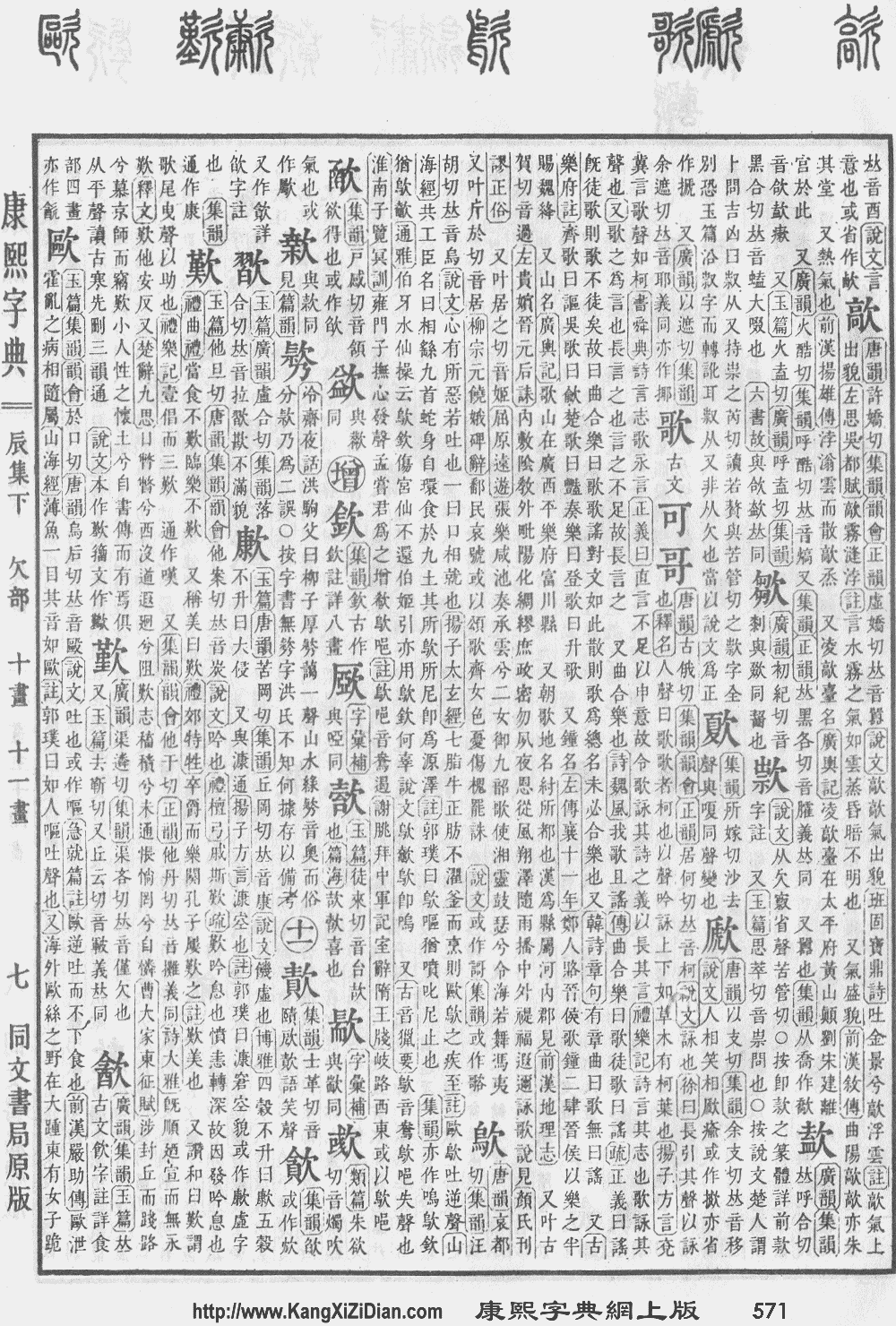
- Kangxi Dictionary: page 571, character 7
- Dai Kanwa Jiten: character 16167
- Dae Jaweon: page 959, character 6
- Hanyu Da Zidian (first edition): volume 3, page 2147, character 12
- Unihan data for U+6B4C
Chinese edit
| simp. and trad. |
歌 | |
|---|---|---|
| alternative forms | 謌/𬤐 哥 𡃭 𣤑 𣤒 | |
Glyph origin edit
| Historical forms of the character 歌 | |
|---|---|
| Shuowen Jiezi (compiled in Han) | Liushutong (compiled in Ming) |
| Small seal script | Transcribed ancient scripts |

|

|
| Old Chinese | |
|---|---|
| 砢 | *ɡ·raːlʔ |
| 柯 | *kaːl |
| 菏 | *kaːl, *ɡaːl |
| 牁 | *kaːl |
| 滒 | *kaːl |
| 哥 | *kaːl |
| 歌 | *kaːl |
| 謌 | *kaːl |
| 鴚 | *kaːl |
| 哿 | *kaːlʔ |
| 舸 | *kaːlʔ |
| 笴 | *kaːlʔ, *kaːnʔ |
| 軻 | *kʰaːl, *kʰaːlʔ, *kʰaːls |
| 珂 | *kʰaːl |
| 可 | *kʰaːlʔ |
| 岢 | *kʰaːlʔ |
| 坷 | *kʰaːlʔ, *kʰaːls |
| 蚵 | *kʰaːls, *ɡaːl |
| 呵 | *qʰaːl, *qʰaːls |
| 訶 | *qʰaːl |
| 抲 | *qʰaːl |
| 荷 | *qʰaːls, *ɡaːl, *ɡaːlʔ |
| 何 | *ɡaːl, *ɡaːlʔ |
| 河 | *ɡaːl |
| 苛 | *ɡaːl |
| 魺 | *ɡaːl |
| 袔 | *ɡaːls |
| 阿 | *qaːl |
| 妸 | *qaːl, *qaːlʔ |
| 疴 | *qaːl, *kʰraːls |
| 鈳 | *qaːl |
| 娿 | *qaːl, *qaːlʔ |
| 痾 | *qaːl |
| 跒 | *kʰraːlʔ |
| 閜 | *qʰraːlʔ |
Phono-semantic compound (形聲/形声, OC *kaːl) : phonetic 哥 (OC *kaːl) + semantic 欠 (“blow”). Specialized form of 哥 (OC *kaːl, “to sing”).
Etymology edit
From Proto-Sino-Tibetan *gaːr ~ *ga (“to dance; to sing; to leap; to stride”). Cognate with Burmese က (ka., “to dance”).
Pronunciation edit
Definitions edit
歌
- to sing; to chant
- 高歌 ― gāogē ― to sing loudly
- 明明未在座 都給缺席的這個你遙遠地歌 [Literary Cantonese, trad.]
- From: 2022, 馮允謙 [Jay Fung], lyrics by 黃偉文 [Wyman Wong], 給缺席的人唱首歌 [Song for the Absentees]
- ming4 ming4 mei6 zoi6 zo6, dou1 kap1 kyut3 zik6 dik1 ze3 go3 nei5 jiu4 jyun5 dei6 go1 [Jyutping]
- Clearly not present, but [I] still sing for you, this absentee, from a distance
明明未在座 都给缺席的这个你遥远地歌 [Literary Cantonese, simp.]
- song; tune (Classifier: 首 m c mn; 支 m c; 闋/阕 m; 隻/只 c w; 條/条 h mn; 塊/块 mn)
- to praise
Synonyms edit
- (song):
Compounds edit
- 且歌且舞 (qiěgēqiěwǔ)
- 主打歌 (zhǔdǎgē)
- 主歌 (zhǔgē)
- 九歌
- 五子之歌
- 但歌
- 伯歌季舞
- 俚歌
- 倚歌
- 兒歌/儿歌 (érgē)
- 凱歌/凯歌 (kǎigē)
- 前歌後舞/前歌后舞
- 副歌 (fùgē)
- 北歌
- 口水歌 (kǒushuǐgē)
- 可歌可泣 (kěgēkěqì)
- 和歌 (hégē)
- 哀歌 (āigē)
- 咳歌打戰/咳歌打战
- 唱歌 (chànggē)
- 商歌
- 喜歌劇/喜歌剧 (xǐgējù)
- 嘯歌/啸歌
- 嘲歌
- 四面楚歌 (sìmiànchǔgē)
- 國歌/国歌 (guógē)
- 國際歌/国际歌 (Guójìgē)
- 垓下歌
- 大唐之歌
- 大歌劇/大歌剧
- 大風歌/大风歌
- 太平歌詞/太平歌词
- 夷歌
- 好了歌
- 妙舞清歌
- 子夜歌
- 宴歌
- 對歌/对歌 (duìgē)
- 對酒當歌/对酒当歌
- 小歌劇/小歌剧
- 屠牛朝歌
- 山歌 (shāngē)
- 州歌
- 巷歌
- 帳中歌/帐中歌
- 引吭高歌
- 弦歌 (xiángē)
- 弦歌不輟/弦歌不辍
- 徒歌
- 念歌 (niàngē)
- 情歌 (qínggē)
- 悼歌 (dàogē)
- 悲歌 (bēigē)
- 悲歌慷慨
- 愷歌/恺歌 (kǎigē)
- 慷慨悲歌
- 戀歌/恋歌 (liàngē)
- 戰歌/战歌 (zhàngē)
- 戹屯歌
- 扊扅歌
- 手語歌/手语歌
- 打呆歌
- 打孩歌
- 打歌
- 打頦歌/打颏歌
- 抗戰歌曲/抗战歌曲
- 捉搦歌
- 挽歌 (wǎngē)
- 挽歌郎
- 採茶歌/采茶歌
- 接輿歌鳳/接舆歌凤
- 搖囝仔歌/摇囝仔歌
- 搖籃歌/摇篮歌
- 擊壤歌/击壤歌
- 放歌
- 敕勒歌
- 易水歌
- 晨歌 (chéngē)
- 朝歌 (Zhāogē)
- 朝歌夜絃/朝歌夜弦
- 朝歌暮樂/朝歌暮乐
- 朝歌暮絃/朝歌暮弦
- 朝歌鼓刀
- 村歌
- 校園民歌/校园民歌
- 校歌 (xiàogē)
- 桃葉歌/桃叶歌
- 棹歌
- 楚歌
- 榜歌
- 樂歌/乐歌 (yuègē)
- 樵歌
- 櫂歌/棹歌
- 歌五褲/歌五裤
- 歌仔戲/歌仔戏 (gēzǎixì)
- 歌伎 (gējì)
- 歌劇/歌剧 (gējù)
- 歌劇院/歌剧院 (gējùyuàn)
- 歌功頌德/歌功颂德 (gēgōngsòngdé)
- 歌友會/歌友会
- 歌吹
- 歌吟
- 歌唱 (gēchàng)
- 歌喉 (gēhóu)
- 歌壇/歌坛 (gētán)
- 歌女 (gēnǚ)
- 歌妓 (gējì)
- 歌姬 (gējī)
- 歌廳/歌厅 (gētīng)
- 歌德 (Gēdé)
- 歌扇
- 歌手 (gēshǒu)
- 歌星 (gēxīng)
- 歌曲 (gēqǔ)
- 歌板
- 歌樂/歌乐 (gēyuè)
- 歌樓舞館/歌楼舞馆
- 歌筵
- 歌聲/歌声 (gēshēng)
- 歌聲繞梁/歌声绕梁
- 歌臺舞榭/歌台舞榭 (gētáiwǔxiè)
- 歌舞 (gēwǔ)
- 歌舞伎 (gēwǔjì)
- 歌舞作樂/歌舞作乐
- 歌舞劇/歌舞剧 (gēwǔjù)
- 歌舞團/歌舞团
- 歌舞場/歌舞场
- 歌舞昇平/歌舞升平 (gēwǔshēngpíng)
- 歌舞片
- 歌行
- 歌訣/歌诀
- 歌詠/歌咏 (gēyǒng)
- 歌詞/歌词 (gēcí)
- 歌詩/歌诗 (gēshī)
- 歌誦/歌诵
- 歌調/歌调
- 歌謠/歌谣 (gēyáo)
- 歌譜/歌谱 (gēpǔ)
- 歌迷 (gēmí)
- 歌郎
- 歌鐘/歌钟
- 歌集
- 歌音
- 歌頌/歌颂 (gēsòng)
- 歌頭/歌头
- 歌風臺/歌风台
- 歌鶯舞燕/歌莺舞燕
- 正歌 (zhènggē)
- 武城弦歌
- 民歌 (míngē)
- 民歌五褲/民歌五裤
- 民謠歌手/民谣歌手
- 民謠歌曲/民谣歌曲
- 民間歌舞/民间歌舞
- 流行歌曲 (liúxíng gēqǔ)
- 浩歌
- 清歌
- 清歌妙舞
- 漁歌/渔歌
- 燕歌行
- 燒餅歌/烧饼歌
- 牛角之歌
- 牧歌 (mùgē)
- 牽亡歌/牵亡歌
- 狂歌
- 獨弦哀歌/独弦哀歌
- 玉帛笙歌
- 琴歌
- 畢業歌/毕业歌
- 白紵歌/白纻歌
- 白雪歌
- 相和歌
- 秧歌 (yānggē)
- 秧歌劇/秧歌剧
- 童歌 (tónggē)
- 竹板歌
- 笙歌 (shēnggē)
- 笙歌匝地
- 笙歌鼎沸
- 組歌/组歌 (zǔgē)
- 絃歌/弦歌 (xiángē)
- 羅蘭之歌/罗兰之歌
- 老歌 (lǎogē)
- 聖歌/圣歌 (shènggē)
- 聾者之歌/聋者之歌
- 胡歌野調/胡歌野调
- 能歌擅舞
- 舞榭歌樓/舞榭歌楼
- 舞榭歌臺/舞榭歌台 (wǔxiègētái)
- 舞燕歌鶯/舞燕歌莺
- 舞衫歌扇
- 舞鸞歌鳳/舞鸾歌凤
- 船歌
- 菱歌
- 藏歌 (zànggē)
- 藏矇歌兒/藏蒙歌儿
- 藝術歌曲/艺术歌曲
- 虞歌決別/虞歌决别
- 行歌
- 褒歌
- 襦褲歌/襦裤歌
- 西陵歌舞
- 詩歌/诗歌 (shīgē)
- 詩詞歌賦/诗词歌赋 (shīcígēfù)
- 謳歌/讴歌 (ōugē)
- 讚美歌/赞美歌 (zànměigē)
- 豔歌/艳歌 (yàngē)
- 踏歌 (tàgē)
- 蹈歌
- 軍歌/军歌 (jūngē)
- 載歌且舞/载歌且舞
- 載歌載舞/载歌载舞 (zàigēzàiwǔ)
- 輓歌/挽歌 (wǎngē)
- 輕歌劇/轻歌剧 (qīnggējù)
- 輕歌慢舞/轻歌慢舞
- 輕歌曼舞/轻歌曼舞 (qīnggēmànwǔ)
- 農歌/农歌
- 郊廟歌辭/郊庙歌辞
- 鄉歌/乡歌
- 酣歌
- 酣歌恆舞/酣歌恒舞
- 醉舞狂歌
- 錦歌/锦歌 (jǐngē)
- 鐃歌/铙歌
- 長恨歌/长恨歌
- 長歌/长歌 (chánggē)
- 長歌當哭/长歌当哭 (chánggēdàngkū)
- 雅歌 (yǎgē)
- 霸王悲歌
- 靈歌/灵歌
- 頌歌/颂歌 (sònggē)
- 飛歌/飞歌
- 饒舌歌曲/饶舌歌曲
- 驪歌/骊歌 (lígē)
- 高歌 (gāogē)
- 高歌猛進/高歌猛进 (gāogēměngjìn)
- 鬻歌
- 鶯歌/莺歌 (yīnggē)
- 鶯歌燕舞/莺歌燕舞 (yīnggēyànwǔ)
- 麥秀歌/麦秀歌
- 黑人靈歌/黑人灵歌
- 點歌/点歌 (diǎngē)
- 鼓盆歌
- 鼓盆而歌
- 龍歌節/龙歌节
- 龍舟歌/龙舟歌
References edit
- “歌”, in 漢語多功能字庫 (Multi-function Chinese Character Database)[1], 香港中文大學 (the Chinese University of Hong Kong), 2014–
Japanese edit
Kanji edit
歌
Readings edit
- Go-on: か (ka, Jōyō)
- Kan-on: か (ka, Jōyō)
- Kun: うたう (utau, 歌う, Jōyō)←うたふ (utafu, 歌ふ, historical); うた (uta, 歌, Jōyō)
Compounds edit
Compounds
Etymology 1 edit

| Kanji in this term |
|---|
| 歌 |
| うた Grade: 2 |
| kun’yomi |
| Alternative spellings |
|---|
| 唄 詩 謳 |
From Old Japanese, from Proto-Japonic *ota.
Pronunciation edit
Noun edit
Usage notes edit
- Despite 歌, 唄, and 詩 having the same kun-yomi reading of uta: 詩 refers to modern poetry, 歌 to songs and classical Japanese poetry (such as tanka), and 唄 is primarily used in shamisen songs.
Etymology 2 edit
| Kanji in this term |
|---|
| 歌 |
| か Grade: 2 |
| on’yomi |
Affix edit
References edit
- ^ Matsumura, Akira, editor (2006), 大辞林 (in Japanese), Third edition, Tōkyō: Sanseidō, →ISBN
- ^ NHK Broadcasting Culture Research Institute, editor (1998), NHK日本語発音アクセント辞典 [NHK Japanese Pronunciation Accent Dictionary] (in Japanese), Tōkyō: NHK Publishing, →ISBN
- ^ Kindaichi, Kyōsuke et al., editors (1974), 新明解国語辞典 (in Japanese), Second edition, Tōkyō: Sanseidō
Korean edit
Hanja edit
Compounds edit
Compounds
- 가창 (歌唱, gachang)
- 가수 (歌手, gasu)
- 가사 (歌詞, gasa)
- 가성 (歌聲, gaseong)
- 가요 (歌謠, gayo)
- 가악 (歌樂, gaak)
- 가천 (歌天, gacheon)
- 가취 (歌吹, gachwi)
- 가패 (歌唄, gapae)
- 가희 (歌姬, gahui)
- 가인 (歌人, gain)
- 가비 (歌婢, gabi)
- 가단 (歌壇, gadan)
- 가극 (歌劇, gageuk)
- 가객 (歌客, gagaek)
- 가격 (歌格, gagyeok)
- 가경 (歌磬, gagyeong)
- 가곡 (歌曲, gagok)
- 가벽 (歌癖, gabyeok)
- 가의 (歌意, gaui)
- 가재 (歌才, gajae)
- 가관 (歌管, gagwan)
- 가무 (歌舞, gamu)
Kunigami edit
Kanji edit
歌
Etymology edit
From Proto-Ryukyuan *Uta, from Proto-Japonic *Uta.
Pronunciation edit
Noun edit
歌 (futā)
Okinawan edit
Kanji edit
歌
Readings edit
Etymology edit
| Kanji in this term |
|---|
| 歌 |
| うた Grade: 2 |
| kun’yomi |
From Proto-Ryukyuan *Uta, from Proto-Japonic *Uta.
Pronunciation edit
Noun edit
歌 (uta)
Vietnamese edit
Han character edit
Yaeyama edit
Kanji edit
歌
Etymology edit
From Proto-Ryukyuan *Uta, from Proto-Japonic *Uta.
Pronunciation edit
Noun edit
歌 (uta)
Yonaguni edit
Kanji edit
歌
Readings edit
Etymology edit
From Proto-Ryukyuan *Uta, from Proto-Japonic *Uta.
Pronunciation edit
Noun edit
歌 (uta)