
家
| ||||||||
Translingual edit
| Stroke order | |||
|---|---|---|---|

| |||
| Stroke order | |||
|---|---|---|---|

| |||
Han character edit
家 (Kangxi radical 40, 宀+7, 10 strokes, cangjie input 十一尸人 (JMSO), four-corner 30232, composition ⿱宀豕)
Derived characters edit
Descendants edit
References edit
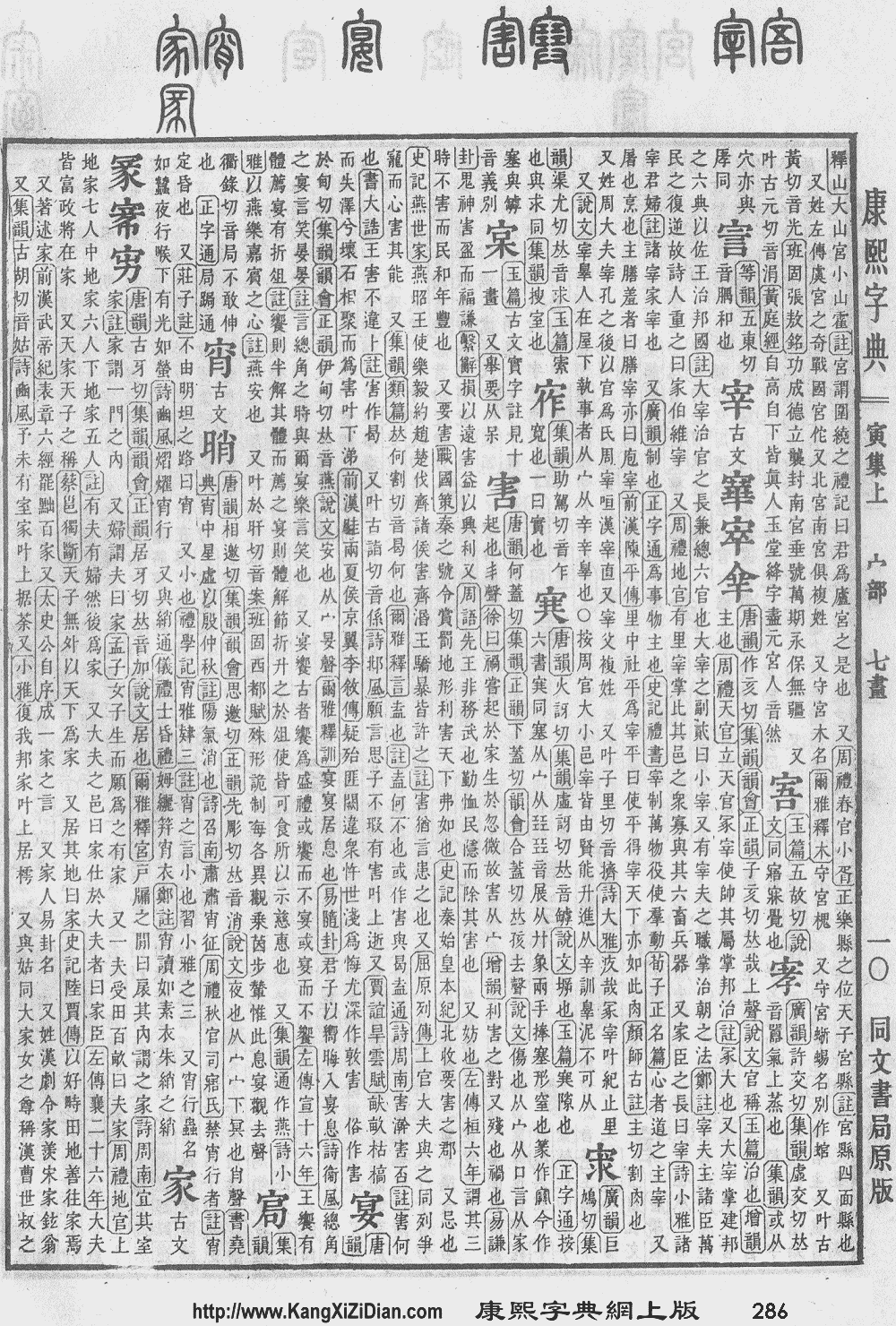
- Kangxi Dictionary: page 286, character 17
- Dai Kanwa Jiten: character 7169
- Dae Jaweon: page 566, character 3
- Hanyu Da Zidian (first edition): volume 2, page 930, character 15
- Unihan data for U+5BB6
Chinese edit
Glyph origin edit
| Historical forms of the character 家 | |||
|---|---|---|---|
| Shang | Western Zhou | Shuowen Jiezi (compiled in Han) | Liushutong (compiled in Ming) |
| Oracle bone script | Bronze inscriptions | Small seal script | Transcribed ancient scripts |

|

|

|

|
Oracle bone script: Phono-semantic compound (形聲/形声, OC *kraː) : semantic 宀 (“roof”) + phonetic 𢑓 (, “male pig”) (see: 姚萱.殷墟甲骨文“■”、“■”兩字考辨[J].中國文字研究(第二十三輯).上海書店出版社,2016(01):16-22.). See 𢑓 (xiá) for more.
Later the phonetic component have been corrupted to 豕 so Shuowen Jiezi considered it
Etymology 1 edit
| simp. and trad. |
家 | |
|---|---|---|
| 2nd round simp. | 𡦼 | |
| alternative forms | ||


Cognate with Tibetan མཁར (mkhar, “castle; house”) (Schuessler, 2007).
嫁 (OC *kraːs, “to give a girl in marriage”) is the exoactive of 家 (OC *kraː, “house; household; family”).
Pronunciation 1 edit
Definitions edit
家
- home
- family; household (Classifier: 頭/头 c)
- (polite, for family member) my
- 家父 ― jiāfù ― my father
- domesticated; domestic
- Classifier for families, businesses and companies.
- school of thought; philosophical school
- (historical, obsolete) fief of ministers or senior officials
- 若使天下兼相愛,愛人若愛其身:……猶有大夫之相亂家、諸侯之相攻國者乎?視人家若其家,誰亂?視人國若其國,誰攻?故大夫之相亂家、諸侯之相攻國者亡有。 [Classical Chinese, trad.]
- From: Mozi, c. 4th century BCE, translated based on Y. P. Mei's version
- Ruòshǐ tiānxià jiān xiàng'ài, àirén ruò ài qí shēn:...... Yóu yǒu dàfū zhī xiàng luàn jiā, zhūhóu zhī xiàng gōng guó zhě hū? Shì rénjiā ruò qí jiā, shéi luàn? Shì rénguó ruò qí guó, shéi gōng? Gù dàfū zhī xiàng luàn jiā, zhūhóu zhī xiàng gōng guó zhě wáng yǒu. [Pinyin]
- Suppose everybody in the world loves universally, loving others as one's self: [...] Will there be mutual disturbance among the houses of the ministers and invasion among the states of the feudal lords? When every one regards the houses of others as one's own, who will be disturbing? When every one regards the states of others as one's own, who will invade? Therefore there will be neither disturbances among the houses of the ministers nor invasion among the states of the feudal lords.
若使天下兼相爱,爱人若爱其身:……犹有大夫之相乱家、诸侯之相攻国者乎?视人家若其家,谁乱?视人国若其国,谁攻?故大夫之相乱家、诸侯之相攻国者亡有。 [Classical Chinese, simp.]- 王曰『何以利吾國』?大夫曰『何以利吾家』?士庶人曰『何以利吾身』?上下交征利而國危矣。 [Classical Chinese, trad.]
- From: Mencius, c. 4th century BCE
- Wáng yuē ‘héyǐ lì wúguó’? Dàfū yuē ‘héyǐ lì wújiā’? Shì shùrén yuē ‘héyǐ lì wúshēn’? Shàngxià jiāo zhēng lì ér guó wēi yǐ. [Pinyin]
- If Your Majesty says, ‘Whereby may I profit my state?’ your grandees shall say, ‘Whereby may I profit my household?’ and your gentlemen and common people shall say, ‘Whereby may I profit myself?’ When those higher and lower compete with one another for profit, the state will be in danger.
王曰『何以利吾国』?大夫曰『何以利吾家』?士庶人曰『何以利吾身』?上下交征利而国危矣。 [Classical Chinese, simp.]
- Suffix denoting a person with a certain occupation or social standing. -er
- Suffix denoting specialist in a certain activity or field. -ist; -er
- (in a game) party; side
- Suffix used after a noun to specify a type of person.
- a surname
Synonyms edit
- (family):
Compounds edit
- 一回家
- 一家 (yījiā)
- 一家一火
- 一家一計/一家一计
- 一家之主 (yījiāzhīzhǔ)
- 一家之作
- 一家之學/一家之学
- 一家之言 (yījiāzhīyán)
- 一家之說/一家之说
- 一家之論/一家之论
- 一家之辭/一家之辞
- 一家人 (yījiārén)
- 一家伙
- 一家哭
- 一家大小 (yījiādàxiǎo)
- 一家子 (yījiāzi)
- 一家春
- 一家書/一家书
- 一家無二/一家无二
- 一家眷屬/一家眷属
- 一家老小 (yījiālǎoxiǎo)
- 一家言
- 一家語/一家语
- 一家貨/一家货
- 一家門/一家门
- 一家章句
- 一家骨肉
- 一日家
- 一會家/一会家
- 七事家
- 七大家
- 丁家塝 (Dīngjiābàng)
- 丁家營/丁家营 (Dīngjiāyíng)
- 丁家艱/丁家艰
- 七家茶
- 丁家鶴/丁家鹤
- 七松家
- 下家 (xiàjiā)
- 上家 (shàngjiā)
- 三家
- 三家垸 (Sānjiāyuàn)
- 三家店
- 三家村
- 三家藷/三家薯
- 三家詩/三家诗
- 三斑家蚊
- 三相張家/三相张家
- 三衙家
- 不到家
- 不當家/不当家
- 不着家
- 不著家
- 不識東家/不识东家
- 世家 (shìjiā)
- 世家子
- 丟到家/丢到家
- 中家
- 中途之家
- 丱學家/丱学家
- 串花家
- 丹家
- 主人家
- 主家
- 主家婆
- 主幹家庭/主干家庭 (zhǔgàn jiātíng)
- 主權國家/主权国家 (zhǔquán guójiā)
- 九家
- 九流十家
- 九流百家
- 乾嘉三大家/干嘉三大家
- 乾親家/干亲家
- 亂家/乱家
- 亂家子/乱家子
- 事家
- 事怕行家
- 事業家/事业家
- 二奶專家/二奶专家 (èrnǎi zhuānjiā)
- 二家花
- 五家
- 五家七宗
- 五家洲 (Wǔjiāzhōu)
- 五峰土家族自治縣/五峰土家族自治县 (Wǔfēng Tǔjiāzú Zìzhìxiàn)
- 五放家
- 五經家/五经家
- 五行家
- 亡家犬
- 亡血家
- 亮家堖/亮家垴 (Liàngjiānǎo)
- 人亡家破
- 人家
- 人給家足/人给家足
- 人足家給/人足家给
- 人離家散/人离家散
- 人類學家/人类学家 (rénlèixuéjiā)
- 今上官家
- 仇家 (chóujiā)
- 仁愛之家/仁爱之家
- 今文家
- 仙家
- 仗家
- 他家 (tājiā)
- 仕家
- 付家堰 (Fùjiāyàn)
- 付家灣/付家湾 (Fùjiāwān)
- 他家的事
- 仙家酒
- 伐冰之家
- 伎家
- 伍家 (Wǔjiā)
- 仲家 (Zhòngjiā)
- 伊家
- 伙家
- 伍家崗/伍家岗 (Wǔjiāgǎng)
- 企業家/企业家 (qǐyèjiā)
- 佛家 (fójiā)
- 你家
- 作家 (zuòjiā)
- 住家 (zhùjiā)
- 余家棚 (Yújiāpéng)
- 余家橋 (Yújiāqiáo)
- 作家歌
- 作家氣/作家气
- 你家的
- 何家紅/何家红
- 作曲家 (zuòqǔjiā)
- 侈家
- 使家
- 俏冤家
- 保家 (bǎojiā)
- 侯家
- 便家
- 俗家 (sújiā)
- 保家之主
- 保家的
- 保家衛國/保家卫国 (bǎojiāwèiguó)
- 俺家
- 倖家/幸家
- 修家
- 倡家
- 俺家的
- 修身齊家/修身齐家
- 倒陪家門/倒陪家门
- 做人家
- 做家
- 傢伙 (jiāhuo)
- 傀儡家庭
- 備家/备家
- 傷家/伤家
- 債家/债家
- 傾家/倾家 (qīngjiā)
- 傳家/传家 (chuánjiā)
- 傳家之寶/传家之宝
- 傳家寶/传家宝 (chuánjiābǎo)
- 傾家敗產/倾家败产
- 傾家盡產/倾家尽产
- 傾家破產/倾家破产
- 傾家破産/倾家破产
- 傾家竭產/倾家竭产
- 傾家蕩產/倾家荡产 (qīngjiādàngchǎn)
- 傾家蕩産/倾家荡产
- 僧家 (sēngjiā)
- 僑家/侨家
- 儂家/侬家 (nóngjiā)
- 儒家 (rújiā)
- 元四大家
- 元曲四大家
- 充行家
- 先進國家/先进国家
- 克家
- 克家兒/克家儿
- 克家子
- 兒女親家/儿女亲家
- 兒家/儿家
- 党家 (Dǎngjiā)
- 党家兒
- 內人家/内人家
- 內家/内家
- 內家兵/内家兵
- 內家妝/内家妆
- 內家官/内家官
- 內家拳/内家拳
- 內家拳法/内家拳法
- 內家粧/内家妆
- 內家裝/内家装
- 內當家/内当家
- 全家 (quánjiā)
- 全家福 (quánjiāfú)
- 兩事家/两事家
- 八大家
- 八家
- 八家將/八家将 (bājiājiàng)
- 公子家
- 六家
- 公家 (gōngjiā)
- 六家七宗
- 公家人
- 公家婆姨
- 公家機關/公家机关
- 六朝四大家
- 共產國家/共产国家
- 兵家 (bīngjiā)
- 兵家大忌
- 兵家常事
- 兵法家
- 内當家
- 冒家
- 冒險家/冒险家 (màoxiǎnjiā)
- 冤家 (yuānjiā)
- 冤家對頭/冤家对头
- 冤家路狹/冤家路狭
- 冤家路窄 (yuānjiālùzhǎi)
- 冶家
- 凌家湖 (Língjiāhú)
- 凡家
- 出家 (chūjiā)
- 出家人 (chūjiārén)
- 出家修行
- 出家修道
- 出家兒/出家儿
- 出家入道
- 出家歸道/出家归道
- 出家求道
- 分家 (fēnjiā)
- 分家析產/分家析产
- 分析家 (fēnxījiā)
- 刑家
- 到家 (dàojiā)
- 到處為家/到处为家
- 前家
- 前家兒/前家儿
- 前家後繼/前家后继
- 創作家/创作家
- 創業興家/创业兴家
- 劇作家/剧作家 (jùzuòjiā)
- 劉家場/刘家场 (Liújiāchǎng)
- 劉家隔/刘家隔 (Liújiāgé)
- 加拿大皇家
- 動用家事/动用家事
- 勤儉起家/勤俭起家
- 勢家/势家
- 化學家/化学家 (huàxuéjiā)
- 十三家
- 十大家
- 十家
- 十家連坐/十家连坐
- 十家香
- 千家姓
- 千家萬戶/千家万户 (qiānjiāwànhù)
- 千家詩/千家诗 (Qiānjiāshī)
- 千金之家
- 半路出家 (bànlùchūjiā)
- 半邊家庭/半边家庭 (bànbiān jiātíng)
- 南家
- 博古家
- 博物學家/博物学家
- 占家
- 占星家 (zhānxīngjiā)
- 卿家
- 原子科學家/原子科学家
- 厭家雞/厌家鸡
- 受家
- 口傳家書/口传家书
- 史學家/史学家
- 台家
- 史家 (shǐjiā)
- 古文家
- 古生物學家/古生物学家 (gǔshēngwùxuéjiā)
- 吃合家歡/吃合家欢
- 名家 (míngjiā)
- 合家 (héjiā)
- 吏家
- 合家大小
- 合家子
- 名家子
- 合家歡/合家欢
- 合家歡樂/合家欢乐
- 名家駒/名家驹
- 名畫家/名画家
- 吉野家
- 吃飯家伙
- 吃飯家生/吃饭家生
- 吾家 (wújiā)
- 君家
- 吾家先生
- 君家果
- 吳家灣/吴家湾 (Wújiāwān)
- 吾家麒麟
- 吾家龍文/吾家龙文
- 命家
- 周家
- 呼家將/呼家将
- 周家灣/周家湾 (Zhōujiāwān)
- 周家紅/周家红
- 咱家 (zájiā)
- 哀家 (āijiā)
- 咳家
- 哀家梨
- 唐初四大家
- 哲學家/哲学家 (zhéxuéjiā)
- 唐宋八大家
- 唐家
- 唐家墩 (Tángjiādūn)
- 唱令家
- 商家 (shāngjiā)
- 喒家/咱家
- 喪家/丧家 (sāngjiā)
- 單家/单家
- 善家
- 喪家之犬/丧家之犬 (sàngjiāzhīquǎn)
- 喪家之狗/丧家之狗 (sàngjiāzhīgǒu)
- 喬家公/乔家公
- 喬家坪/乔家坪 (Qiáojiāpíng)
- 喪家子/丧家子
- 喪家犬/丧家犬
- 喪家狗/丧家狗
- 單親家庭/单亲家庭 (dānqīn jiātíng)
- 嘔家/呕家
- 嚴家/严家
- 嚴家墩/严家墩 (Yánjiādūn)
- 嚴家餓隸/严家饿隶
- 囊家
- 四大家族
- 四家詩/四家诗
- 四海一家 (sìhǎi yījiā)
- 四海為家/四海为家 (sìhǎiwéijiā)
- 四海爲家/四海为家 (sìhǎiwéijiā)
- 四門親家/四门亲家
- 回娘家 (huí niángjiā)
- 回家 (huíjiā)
- 回老家 (huí lǎojiā)
- 國家/国家 (guójiā)
- 國家主義/国家主义 (guójiā zhǔyì)
- 國家公債/国家公债
- 國家公園/国家公园 (guójiā gōngyuán)
- 國家劇院/国家剧院
- 國家博士/国家博士
- 國家大事/国家大事 (guójiā dàshì)
- 國家建設/国家建设 (guójiā jiànshè)
- 國家承認/国家承认
- 國家棟梁/国家栋梁
- 國家榮譽/国家荣誉
- 國家標準/国家标准 (guójiā biāozhǔn)
- 國家機器/国家机器 (guójiā jīqì)
- 國家機關/国家机关 (guójiā jīguān)
- 國家祥瑞/国家祥瑞
- 國家考試/国家考试
- 國家裁判/国家裁判
- 國家資本/国家资本
- 國家賠償/国家赔偿
- 國家闈場/国家闱场
- 國爾忘家/国尔忘家
- 國破家亡/国破家亡 (guópòjiāwáng)
- 國而忘家/国而忘家
- 國耳忘家/国耳忘家
- 園家/园家
- 土家族 (Tǔjiāzú)
- 土家語/土家语 (tǔjiāyǔ)
- 土專家/土专家 (tǔzhuānjiā)
- 在家 (zàijiā)
- 在家人
- 在家修
- 在家僧
- 在家出家
- 地形家
- 地理學家/地理学家 (dìlǐxuéjiā)
- 地理家
- 地質學家/地质学家 (dìzhìxuéjiā)
- 地震學家/地震学家
- 坐娘家
- 坐家
- 坐家女兒/坐家女儿
- 坑家敗業/坑家败业
- 坐家虎
- 城邦國家/城邦国家
- 堪輿家/堪舆家
- 塗家/涂家
- 士家 (shìjiā)
- 夏家
- 外交家 (wàijiāojiā)
- 外四家兒/外四家儿
- 外婆家
- 外家 (wàijiā)
- 外家拳
- 夙世冤家
- 多民族國家/多民族国家
- 夢家/梦家
- 夢想家/梦想家 (mèngxiǎngjiā)
- 大人家
- 大作家
- 大型家電/大型家电
- 大家
- 大家事
- 大家公子
- 大家夥/大家伙 (dàjiāhuǒ)
- 大家夥兒/大家伙儿
- 大家子
- 大家小戶/大家小户
- 大家庭 (dàjiātíng)
- 大家數/大家数
- 大家族 (dàjiāzú)
- 大家樂/大家乐
- 大家畜
- 大家舉止/大家举止
- 大家規矩/大家规矩
- 大家長/大家长
- 大家閨秀/大家闺秀 (dàjiāguīxiù)
- 大家閨閣/大家闺阁
- 大家風範/大家风范
- 大戶人家/大户人家
- 大投資家/大投资家
- 大數學家/大数学家
- 大方之家
- 大方家
- 大渾家/大浑家
- 大贏家/大赢家
- 太一家
- 天下一家
- 天下為家/天下为家
- 太公家教
- 夫家 (fūjiā)
- 天家 (tiānjiā)
- 天文學家/天文学家 (tiānwénxuéjiā)
- 天體物理學家/天体物理学家
- 契家
- 女兒家/女儿家
- 女娘家
- 女家 (nǚjiā)
- 女管家 (nǚguǎnjiā)
- 奴家 (nújiā)
- 好人家 (hǎorénjiā)
- 好家伙 (hǎojiāhuo)
- 如數家珍/如数家珍
- 妓家
- 姊妹人家
- 姑娘家
- 姑家
- 姻家
- 姜家大被
- 姚家店 (Yáojiādiàn)
- 娘家 (niángjiā)
- 婦人家/妇人家 (fùrénjia)
- 婆婆家 (pópojiā)
- 婦家/妇家
- 婆家 (pójiā)
- 婚家
- 娼家
- 婦道人家/妇道人家
- 婦道家/妇道家
- 嫠家
- 子錢家/子钱家
- 孔子家語/孔子家语
- 孔家店
- 孝家
- 孤家
- 孤家寡人 (gūjiāguǎrén)
- 孟家溪 (Mèngjiāxī)
- 孟家蟬/孟家蝉
- 孩子家
- 安家 (ānjiā)
- 宅家 (zháijiā)
- 安家帖
- 安家樂業/安家乐业
- 安家立業/安家立业 (ānjiālìyè)
- 安家落戶/安家落户 (ānjiāluòhù)
- 安家費/安家费
- 宋四家
- 宋家香
- 官宦人家
- 宜室宜家
- 宗家
- 宜家 (yíjiā)
- 官家 (guānjiā)
- 客家 (kèjiā)
- 室家
- 宦家
- 客家人 (Kèjiārén)
- 客家八音
- 客家話/客家话 (Kèjiāhuà)
- 家丁 (jiādīng)
- 家下 (jiāxià)
- 家下人
- 家丈人
- 家世 (jiāshì)
- 家丘
- 家世寒微
- 家世集
- 家丞
- 家中 (jiāzhōng)
- 家中俏
- 家中哨
- 家中寶/家中宝
- 家主 (jiāzhǔ)
- 家主公
- 家主婆
- 家主母
- 家主翁
- 家乘
- 家亂/家乱 (jiāluàn)
- 家事 (jiāshì)
- 家事學校/家事学校
- 家事法庭 (jiāshì fǎtíng)
- 家人 (jiārén)
- 家人一等
- 家人子
- 家人父子
- 家仇
- 家什
- 家令
- 家仙
- 家伙 (jiāhuo)
- 家伎 (jiājì)
- 家伙點
- 家來/家来
- 家例
- 家俗
- 家信 (jiāxìn)
- 家俱 (jiājù)
- 家備/家备
- 家傳/家传
- 家傭/家佣
- 家傳人誦/家传人诵
- 家傳學/家传学
- 家傳戶誦/家传户诵
- 家傳户誦/家传户诵
- 家傳戶頌/家传户颂
- 家僮 (jiātóng)
- 家僕/家仆 (jiāpú)
- 家儅/家𰁸
- 家兄
- 家克計/家克计
- 家兔
- 家兒/家儿
- 家內/家内
- 家公 (jiāgōng)
- 家兵
- 家具 (jiājù)
- 家冤
- 家刻本
- 家削
- 家務/家务 (jiāwù)
- 家務事/家务事
- 家去
- 家反宅亂/家反宅乱
- 家叔
- 家口 (jiākǒu)
- 家史 (jiāshǐ)
- 家司
- 家吏
- 家君 (jiājūn)
- 家和萬事興/家和万事兴 (jiā hé wànshì xīng)
- 家哲
- 家商
- 家問/家问
- 家喻戶曉/家喻户晓 (jiāyùhùxiǎo)
- 家喻戶習/家喻户习
- 家器
- 家嚴/家严 (jiāyán)
- 家國/家国 (jiāguó)
- 家園/家园 (jiāyuán)
- 家培
- 家堂
- 家堂香火
- 家報/家报
- 家塗/家涂
- 家塾
- 家境 (jiājìng)
- 家墅
- 家塾刻本
- 家塾本
- 家壩水電站/家坝水电站
- 家大人
- 家大業大/家大业大
- 家天下
- 家夫人
- 家奠
- 家奴 (jiānú)
- 家妓
- 家姐 (jiājiě)
- 家姑
- 家姊
- 家姐夫
- 家姑老
- 家姬
- 家娘
- 家婦/家妇
- 家婆 (jiāpó)
- 家婢
- 家嫂
- 家子 (jiāzi)
- 家孫/家孙
- 家學/家学
- 家學淵源/家学渊源
- 家宅
- 家室 (jiāshì)
- 家客
- 家家 (jiājiā)
- 家宰
- 家宴 (jiāyàn)
- 家家兒/家家儿
- 家家戶戶/家家户户 (jiājiāhùhù)
- 家家有本難念的經/家家有本难念的经 (jiājiā yǒu běn nán niàn de jīng)
- 家家酒 (jiājiājiǔ)
- 家寒
- 家寶/家宝 (jiābǎo)
- 家將/家将 (jiājiàng)
- 家尊
- 家小 (jiāxiǎo)
- 家居 (jiājū)
- 家屋 (jiāwū)
- 家屬/家属 (jiāshǔ)
- 家山
- 家山藥/家山药
- 家巷
- 家常 (jiācháng)
- 家常便飯/家常便饭 (jiāchángbiànfàn)
- 家常茶飯/家常茶饭
- 家常菜 (jiāchángcài)
- 家常裏短/家常里短
- 家常話/家常话
- 家常豆腐
- 家常飯/家常饭 (jiāchángfàn)
- 家底 (jiādǐ)
- 家府
- 家底兒/家底儿
- 家庭 (jiātíng)
- 家庭主夫 (jiātíng zhǔfū)
- 家庭主婦/家庭主妇 (jiātíng zhǔfù)
- 家庭主義/家庭主义 (jiātíngzhǔyì)
- 家庭作業/家庭作业 (jiātíng zuòyè)
- 家庭出身
- 家庭制度 (jiātíng zhìdù)
- 家庭副業/家庭副业
- 家庭園藝/家庭园艺
- 家庭地址
- 家庭婦女/家庭妇女 (jiātíng fùnǚ)
- 家庭婦男/家庭妇男
- 家庭寄養/家庭寄养 (jiātíng jìyǎng)
- 家庭影院 (jiātíng yǐngyuàn)
- 家庭成員/家庭成员 (jiātíng chéngyuán)
- 家庭手工業/家庭手工业
- 家庭承包
- 家庭教師/家庭教师 (jiātíng jiàoshī)
- 家庭教育 (jiātíng jiàoyù)
- 家庭暴力 (jiātíng bàolì)
- 家庭汙水/家庭污水
- 家庭消費者/家庭消费者
- 家庭煮夫
- 家庭生活
- 家庭病床 (jiātíng bìngchuáng)
- 家庭福利 (jiātíng fúlì)
- 家庭管理 (jiātíng guǎnlǐ)
- 家庭經濟/家庭经济 (jiātíng jīngjì)
- 家庭計畫/家庭计画
- 家庭訪問/家庭访问
- 家庭護理/家庭护理 (jiātíng hùlǐ)
- 家庭醫學/家庭医学 (jiātíng yīxué)
- 家庭醫師/家庭医师 (jiātíng yīshī)
- 家庸
- 家廚/家厨
- 家廟/家庙 (jiāmiào)
- 家廷
- 家弊
- 家弟
- 家弦胡誦/家弦胡诵
- 家弱
- 家徒
- 家徒四壁 (jiātúsìbì)
- 家徒壁立
- 家徒甚殷
- 家徭
- 家微
- 家慈 (jiācí)
- 家慶/家庆
- 家懷/家怀
- 家成業就/家成业就 (jiāchéngyèjiù)
- 家戒
- 家戲/家戏
- 家戶/家户 (jiāhù)
- 家扶中心
- 家把什
- 家拜
- 家支
- 家政 (jiāzhèng)
- 家政員/家政员
- 家政婦/家政妇
- 家政學/家政学
- 家故
- 家教 (jiājiào)
- 家敗人亡/家败人亡
- 家散人亡
- 家數/家数
- 家族 (jiāzú)
- 家族制度
- 家族同盟
- 家族樹/家族树
- 家景 (jiājǐng)
- 家暴 (jiābào)
- 家曆/家历
- 家書/家书 (jiāshū)
- 家林
- 家業/家业 (jiāyè)
- 家業凋零/家业凋零
- 家樂/家乐
- 家樂福/家乐福 (Jiālèfú)
- 家機布/家机布
- 家次
- 家步
- 家殷人足
- 家母 (jiāmǔ)
- 家法 (jiāfǎ)
- 家活
- 家火
- 家灶
- 家烈
- 家無二主/家无二主
- 家無儋石/家无儋石
- 家無常禮/家无常礼
- 家無擔石/家无担石 (jiāwúdànshí)
- 家無斗儲/家无斗储
- 家無長物/家无长物
- 家煩宅亂/家烦宅乱
- 家燕 (jiāyàn)
- 家父 (jiāfù)
- 家爺/家爷
- 家牒
- 家物
- 家狀/家状
- 家獸/家兽
- 家王
- 家珍
- 家理
- 家甚
- 家生 (jiāshēng)
- 家生哨
- 家生奴
- 家生婢
- 家生婢子
- 家生子
- 家生子兒/家生子儿
- 家生孩兒/家生孩儿
- 家生孩子
- 家生肖
- 家產/家产 (jiāchǎn)
- 家用 (jiāyòng)
- 家用電器/家用电器 (jiāyòng diànqì)
- 家用電玩/家用电玩
- 家用電腦/家用电脑 (jiāyòng diànnǎo)
- 家甲
- 家畜 (jiāchù)
- 家當/家当 (jiādàng)
- 家當兒/家当儿
- 家的
- 家監/家监
- 家相
- 家眷 (jiājuàn)
- 家眾/家众
- 家督 (jiādū)
- 家破人亡 (jiāpòrénwáng)
- 家破人離/家破人离
- 家破身亡
- 家祀
- 家祠 (jiācí)
- 家祖
- 家神 (jiāshén)
- 家祚
- 家祖母
- 家祭
- 家祿/家禄
- 家禍/家祸
- 家福
- 家禮/家礼
- 家禽 (jiāqín)
- 家私 (jiāsī)
- 家秧子
- 家稅/家税
- 家種/家种
- 家童
- 家第
- 家笥
- 家節/家节
- 家範/家范
- 家簀/家箦
- 家籍
- 家粟
- 家系 (jiāxì)
- 家約/家约
- 家累
- 家累千金
- 家累千金,坐不垂堂
- 家絃戶誦/家弦户诵
- 家絃户誦/家弦户诵
- 家給/家给
- 家給人足/家给人足
- 家給戶贍/家给户赡
- 家給民足/家给民足
- 家緒/家绪
- 家緣/家缘
- 家緣家計/家缘家计
- 家緣過活/家缘过活
- 家缽/家钵
- 家羽
- 家翁 (jiāwēng)
- 家翻宅亂/家翻宅乱
- 家老 (jiālǎo)
- 家老兒/家老儿
- 家老爺/家老爷
- 家耗
- 家聲/家声 (jiāshēng)
- 家肥
- 家膳
- 家臣 (jiāchén)
- 家至人說/家至人说
- 家至戶到/家至户到
- 家至戶察/家至户察
- 家至戶曉/家至户晓
- 家舅
- 家舍
- 家艱/家艰
- 家花
- 家菊 (jiājú)
- 家落
- 家蔬
- 家藏 (jiācáng)
- 家藏戶有/家藏户有
- 家處/家处
- 家蚊
- 家蜂
- 家蠅/家蝇 (jiāyíng)
- 家蠶/家蚕 (jiācán)
- 家行
- 家衍人給/家衍人给
- 家術/家术
- 家衖
- 家裏/家里 (jiālǐ)
- 家裡/家里 (jiālǐ)
- 家裡的/家里的 (jiālǐde)
- 家裏的/家里的 (jiālǐde)
- 家規/家规 (jiāguī)
- 家親/家亲
- 家言邪學/家言邪学
- 家計/家计
- 家訓/家训 (jiāxùn)
- 家訪/家访 (jiāfǎng)
- 家訾
- 家誡/家诫
- 家語/家语
- 家諱/家讳 (jiāhuì)
- 家諜/家谍
- 家諭戶曉/家谕户晓
- 家譜/家谱 (jiāpǔ)
- 家讌/家宴
- 家豎/家竖
- 家財/家财 (jiācái)
- 家財萬貫/家财万贯 (jiācáiwànguàn)
- 家貨/家货
- 家貧/家贫 (jiāpín)
- 家貧命苦/家贫命苦
- 家貧如洗/家贫如洗
- 家貲/家赀 (jiāzī)
- 家貲萬貫/家赀万贯
- 家資/家资 (jiāzī)
- 家賊/家贼 (jiāzéi)
- 家賊難防/家贼难防 (jiāzéinánfáng)
- 家轎/家轿
- 家途
- 家道 (jiādào)
- 家運/家运
- 家道中落 (jiādào zhōngluò)
- 家道從容/家道从容
- 家道消乏
- 家過老/家过老
- 家道貧寒/家道贫寒
- 家邑
- 家邦
- 家邱
- 家鄉/家乡 (jiāxiāng)
- 家鄉味/家乡味
- 家鄉雞/家乡鸡
- 家醜/家丑 (jiāchǒu)
- 家醞/家酝
- 家醜不可外傳/家丑不可外传
- 家醜不可外傳,流言切莫輕信/家丑不可外传,流言切莫轻信
- 家醜不可外揚/家丑不可外扬 (jiāchǒu bùkě wàiyáng)
- 家醪
- 家釀/家酿
- 家里 (jiālǐ)
- 家量
- 家長/家长 (jiāzhǎng)
- 家長作風/家长作风
- 家長制/家长制
- 家長禮短/家长礼短
- 家長裏短/家长里短
- 家長裡短/家长里短
- 家長里短
- 家長里短兒/家长里短儿
- 家門/家门 (jiāmén)
- 家門不幸/家门不幸
- 家門有幸/家门有幸
- 家門集/家门集
- 家間/家间
- 家閥/家阀
- 家閭/家闾
- 家降
- 家院
- 家陪
- 家隆
- 家隸/家隶
- 家雀
- 家雀兒/家雀儿 (jiāqiǎor)
- 家集
- 家雁
- 家雞/家鸡
- 家雞野雉/家鸡野雉
- 家雞野鶩/家鸡野鹜
- 家難/家难
- 家電/家电 (jiādiàn)
- 家頁/家页
- 家頭/家头
- 家頭房子/家头房子
- 家風/家风 (jiāfēng)
- 家食
- 家餉/家饷
- 家養/家养 (jiāyǎng)
- 家館/家馆
- 家馬/家马
- 家驥人璧/家骥人璧
- 家鬥/家斗
- 家鬼
- 家魚/家鱼
- 家鴨/家鸭 (jiāyā)
- 家鴨綠頭鴨/家鸭绿头鸭
- 家鴿/家鸽
- 家鹿
- 家鼠 (jiāshǔ)
- 宿世冤家
- 寄家
- 寄養之家/寄养之家
- 富室大家
- 富家 (fùjiā)
- 寒家
- 富家大室
- 富家子
- 富家巨室
- 富家翁
- 富貴人家/富贵人家
- 寧家/宁家
- 實幹家/实干家
- 實業家/实业家 (shíyèjiā)
- 寫家/写家 (xiějiā)
- 封家
- 封家姨
- 將家/将家
- 專家/专家 (zhuānjiā)
- 專家政治/专家政治
- 專家系統/专家系统
- 專欄作家/专栏作家
- 專門名家/专门名家
- 專門家/专门家 (zhuānménjiā)
- 對家/对家 (duìjiā)
- 對頭冤家/对头冤家
- 小人家
- 小冤家
- 小名家
- 小孩子家 (xiǎoháizijiā)
- 小家 (xiǎojiā)
- 小家伙 (xiǎojiāhuo)
- 小家婆
- 小家子
- 小家子樣/小家子样
- 小家子氣/小家子气 (xiǎojiāziqì)
- 小家子相 (xiǎojiāzixiàng)
- 小家局
- 小家庭 (xiǎojiātíng)
- 小家敗氣/小家败气
- 小家數/小家数
- 小家氣/小家气 (xiǎojiāqì)
- 小家派 (xiǎojiāpài)
- 小家相
- 小家碧玉 (xiǎojiābìyù)
- 小家罕氣/小家罕气
- 小家門/小家门
- 小家電/小家电
- 小戶人家/小户人家
- 小渾家/小浑家
- 小當家/小当家
- 小說家/小说家 (xiǎoshuōjiā)
- 少年之家
- 少東家/少东家
- 尺二冤家
- 局家
- 居家 (jūjiā)
- 屋裏家/屋里家
- 屠家 (tújiā)
- 山家
- 山家宗
- 岐黃家/岐黄家
- 岳家 (yuèjiā)
- 岳家軍/岳家军
- 嶺南三家/岭南三家
- 州家
- 工業化國家/工业化国家
- 工業國家/工业国家
- 工業家/工业家 (gōngyèjiā)
- 巧家
- 左家嬌女/左家娇女
- 巴家做活
- 希西家 (Xīxījiā)
- 帝家
- 師家/师家
- 席家埡/席家垭 (Xíjiāyà)
- 常勝家/常胜家
- 常家
- 平家物語/平家物语
- 平常人家
- 年家
- 年家子
- 幹家/干家
- 幹家做活/干家做活
- 幹家緣/干家缘
- 幾家/几家
- 幾番家/几番家
- 店家 (diànjiā)
- 廠家/厂家 (chǎngjiā)
- 建家
- 建除家
- 強家/强家
- 張家口/张家口 (Zhāngjiākǒu)
- 張家嶺/张家岭 (Zhāngjiālǐng)
- 張家港/张家港 (Zhāngjiāgǎng)
- 張家灣/张家湾 (Zhāngjiāwān)
- 張家畈/张家畈 (Zhāngjiāfàn)
- 張家莊/张家庄 (Zhāngjiāzhuāng)
- 張家集/张家集 (Zhāngjiājí)
- 形家
- 彭家嶺/彭家岭 (Péngjiālǐng)
- 彭家灣/彭家湾 (Péngjiāwān)
- 影評家/影评家 (yǐngpíngjiā)
- 徇國忘家/徇国忘家
- 律家
- 後生家/后生家
- 徐家 (Xújiā)
- 徐家山 (Xújiāshān)
- 徐家棚 (Xújiāpéng)
- 徐家肺
- 徙家
- 從橫家/从横家
- 微生物學家/微生物学家 (wēishēngwùxuéjiā)
- 心理學家/心理学家 (xīnlǐxuéjiā)
- 忘家狗
- 念家山破
- 快行家
- 怨家
- 怨家債主/怨家债主
- 思想家 (sīxiǎngjiā)
- 恩家
- 恩施土家族苗族自治州 (Ēnshī Tǔjiāzú Miáozú Zìzhìzhōu)
- 您家
- 情同一家
- 愛國如家/爱国如家
- 想家 (xiǎngjiā)
- 愆家
- 慈善家 (císhànjiā)
- 憂公如家/忧公如家
- 憂國如家/忧国如家
- 憂國忘家/忧国忘家
- 慣家/惯家
- 懊惱澤家/懊恼泽家
- 戀家/恋家 (liànjiā)
- 成一家言
- 成名成家
- 成家 (chéngjiā)
- 成家立業/成家立业 (chéngjiā lìyè)
- 成家立計/成家立计
- 成年家
- 成日家
- 我家
- 戚家
- 戚家軍/戚家军
- 戰略家/战略家 (zhànlüèjiā)
- 戲劇家/戏剧家 (xìjùjiā)
- 戴家場/戴家场 (Dàijiāchǎng)
- 戶家/户家 (hùjiā)
- 戾家
- 戾家把戲/戾家把戏
- 打冤家
- 打家劫盜/打家劫盗
- 打家劫舍 (dǎjiājiéshè)
- 打家截舍 (dǎjiājiéshè)
- 打家截道
- 打家賊/打家贼
- 打魚殺家/打鱼杀家
- 把家 (bǎjiā)
- 承家
- 抄家 (chāojiā)
- 扮家家酒
- 折衷家庭
- 批評家/批评家 (pīpíngjiā)
- 投資家/投资家 (tóuzījiā)
- 抵家
- 拋家失業/抛家失业
- 拉家常 (lājiācháng)
- 拉家帶口/拉家带口
- 拜家慶/拜家庆
- 拆家精
- 拋家髻/抛家髻
- 挈家
- 持家 (chíjiā)
- 按家伏業/按家伏业
- 指揮家/指挥家 (zhǐhuījiā)
- 挨家
- 挨家挨戶/挨家挨户 (āijiā'āihù)
- 挨家比戶/挨家比户
- 掌家
- 排家
- 探家
- 探親家/探亲家
- 探險家/探险家
- 損到家/损到家
- 搬家 (bānjiā)
- 搗家/捣家
- 搊彈家/𫼝弹家
- 撈家/捞家 (lāojiā)
- 撐家/撑家
- 擂家
- 擂家漢/擂家汉
- 攏家/拢家
- 攜家帶眷/携家带眷
- 攝影家/摄影家 (shèyǐngjiā)
- 攤家/摊家
- 攪家精/搅家精
- 收藏家 (shōucángjiā)
- 改換家門/改换家门
- 改革家 (gǎigéjiā)
- 政家
- 政治家 (zhèngzhìjiā)
- 故家
- 故家喬木/故家乔木
- 故家子
- 故家子弟
- 故家遺俗/故家遗俗
- 敗國亡家/败国亡家
- 敗國喪家/败国丧家
- 敗家/败家 (bàijiā)
- 敗家子/败家子 (bàijiāzǐ)
- 敘家常/叙家常
- 敗家相/败家相
- 敗家精/败家精
- 敗業傾家/败业倾家
- 教育家 (jiàoyùjiā)
- 數學家/数学家 (shùxuéjiā)
- 數家/数家
- 數番家/数番家
- 文字學家/文字学家
- 文學家/文学家 (wénxuéjiā)
- 文家
- 文獻之家/文献之家
- 文藝家/文艺家 (wényìjiā)
- 文章家
- 斯家場/斯家场 (Sījiāchǎng)
- 新儒家
- 新學家/新学家
- 新家
- 新興經濟國家/新兴经济国家
- 方家 (fāngjiā)
- 方家紅/方家红
- 於家為國/于家为国
- 施家灣/施家湾 (Shījiāwān)
- 族家子
- 日家
- 明四家
- 昏家
- 明式家具
- 星卜家
- 星命家
- 星家
- 星家節/星家节
- 星相家
- 時家/时家
- 暖巢管家
- 暴發家/暴发家
- 曆家/历家
- 曠邈無家/旷邈无家
- 書家/书家 (shūjiā)
- 書法家/书法家 (shūfǎjiā)
- 書畫家/书画家
- 書香世家/书香世家
- 書香人家/书香人家
- 曹大家
- 會任之家/会任之家
- 會家/会家
- 會家不忙/会家不忙
- 月家疾
- 有了人家
- 有人家
- 有家
- 有家難奔/有家难奔
- 有核國家/有核国家
- 朋家
- 朝家
- 本家 (běnjiā)
- 未家
- 末家
- 朱子家訓/朱子家训
- 朱家
- 朱家峪 (Zhūjiāyù)
- 杖家
- 村家
- 李家
- 杜家中弟
- 杜家村
- 李家河 (Lǐjiāhé)
- 東家/东家 (dōngjiā)
- 東家丘/东家丘
- 東家之子/东家之子
- 東家夫子/东家夫子
- 東家女/东家女
- 東家子/东家子
- 東家孔子/东家孔子
- 東家效顰/东家效颦
- 林家溪 (Línjiāxī)
- 林家花園/林家花园
- 東家處子/东家处子
- 東家行/东家行
- 東家西舍/东家西舍
- 染家
- 某家
- 柴家廟/柴家庙 (Cháijiāmiào)
- 柳家新樣/柳家新样
- 核國家/核国家
- 核心家庭 (héxīn jiātíng)
- 格致家
- 梵家
- 梅家岩 (Méijiāyán)
- 梅家河 (Méijiāhé)
- 梁家畈 (Liángjiāfàn)
- 梅家藝/梅家艺
- 梅家雞/梅家鸡
- 梁家黛
- 梵王家
- 棋家
- 棄家蕩產/弃家荡产
- 植物學家/植物学家 (zhíwùxuéjiā)
- 楊家/杨家 (Yángjiā)
- 楞家伙
- 楊家坳/杨家坳 (Yángjiā'ào)
- 楊家坡/杨家坡 (Yángjiāpō)
- 楊家將/杨家将
- 楊家嶺/杨家岭
- 楊家廠/杨家厂 (Yángjiāchǎng)
- 楊家浲/杨家浲 (Yángjiāféng)
- 楊家湖/杨家湖 (Yángjiāhú)
- 極權國家/极权国家
- 楊福家/杨福家
- 樁家/桩家
- 樂家/乐家
- 樊家巷 (Fánjiāxiàng)
- 樵家
- 機杼一家/机杼一家
- 權家/权家
- 次家
- 歇家
- 歌唱家 (gēchàngjiā)
- 歡喜冤家/欢喜冤家
- 歡喜寃家/欢喜寃家
- 正家
- 此家
- 武家坡
- 武家子
- 武家樣/武家样
- 歷史學家/历史学家 (lìshǐxuéjiā)
- 歷史家/历史家 (lìshǐjiā)
- 歷家/历家
- 歸家/归家 (guījiā)
- 死冤家
- 殃國禍家/殃国祸家
- 段家 (Duànjiā)
- 段家橋/段家桥
- 殺家達子/杀家达子
- 毀家紓國/毁家纾国
- 毀家紓難/毁家纾难 (huǐjiāshūnàn)
- 毁家紓難/毁家纾难
- 母家
- 每日家
- 毛家港 (Máojiāgǎng)
- 民主國家/民主国家 (mínzhǔ guójiā)
- 民家 (mínjiā)
- 民族國家/民族国家 (mínzú guójiā)
- 民用核國家/民用核国家
- 氓家
- 氣候學家/气候学家 (qìhòuxuéjiā)
- 氣象學家/气象学家 (qìxiàngxuéjiā)
- 水上人家
- 水利家
- 水利專家/水利专家
- 水家
- 江家綠/江家绿
- 江家緑/江家绿
- 汪家臺/汪家台 (Wāngjiātái)
- 沒的家/没的家
- 法學家/法学家 (fǎxuéjiā)
- 泛宅浮家
- 法家 (fǎjiā)
- 治家 (zhìjiā)
- 注家
- 法家拂士
- 治家格言
- 法王家
- 活動家/活动家 (huódòngjiā)
- 洪家
- 洞家
- 洒家
- 流氓國家/流氓国家 (liúmáng guójiā)
- 涂家堖 (Tújiānǎo)
- 浮家泛宅
- 海灣國家/海湾国家
- 混家
- 清微家
- 清節家/清节家
- 渾天家/浑天家
- 渾家/浑家 (húnjiā)
- 準家/准家
- 滕家
- 滑家壋/滑家垱 (Huájiādàng)
- 溫家鏡/温家镜
- 漢學家/汉学家 (hànxuéjiā)
- 漿家/浆家
- 漁家/渔家 (yújiā)
- 漢家/汉家 (Hàn Jiā)
- 漫家
- 漁家傲/渔家傲
- 漢家飛將/汉家飞将
- 漫畫家/漫画家 (mànhuàjiā)
- 演說家/演说家 (yǎnshuōjiā)
- 演講家/演讲家
- 潘家灣/潘家湾 (Pānjiāwān)
- 潑家私/泼家私
- 潤家錢/润家钱
- 濕家/湿家
- 火家
- 火院家私
- 炒家 (chǎojiā)
- 炊家子
- 無夫家/无夫家
- 無家/无家
- 無家可奔/无家可奔
- 無家可歸/无家可归 (wú jiā kě guī)
- 無家無室/无家无室
- 焦家莊/焦家庄 (Jiāojiāzhuāng)
- 燕入他家
- 燕家景
- 燈火萬家/灯火万家
- 營家/营家
- 爺家/爷家
- 牙家
- 物理學家/物理学家 (wùlǐxuéjiā)
- 狆家
- 獄子院家/狱子院家
- 獄家院子/狱家院子
- 獨家/独家 (dújiā)
- 獨家報導/独家报导
- 獨家新聞/独家新闻
- 獨家生意/独家生意
- 獨家院/独家院
- 王家 (wángjiā)
- 王家橋/王家桥 (Wángjiāqiáo)
- 王家畈 (Wángjiāfàn)
- 王家癖
- 玩偶之家
- 玩家 (wánjiā)
- 班家女師/班家女师
- 現代新儒家/现代新儒家
- 理學家/理学家
- 理家
- 理論家/理论家 (lǐlùnjiā)
- 瑪家/玛家 (Mǎjiā)
- 甘家廠/甘家厂 (Gānjiāchǎng)
- 生佛萬家/生佛万家
- 生學家/生学家
- 生態學家/生态学家
- 生物化學家/生物化学家
- 生物學家/生物学家 (shēngwùxuéjiā)
- 生理學家/生理学家
- 產家大器/产家大器
- 田家 (tiánjiā)
- 田家婦/田家妇
- 田家子
- 田家樂/田家乐
- 田家翁
- 男室女家
- 男家 (nánjiā)
- 男管家
- 畜家
- 異家/异家
- 畢家塘/毕家塘 (Bìjiātáng)
- 番家
- 畫家/画家 (huàjiā)
- 番宿家門/番宿家门
- 當代新儒家/当代新儒家
- 當家/当家 (dāngjiā)
- 當家人/当家人
- 當家作主/当家作主 (dāngjiāzuòzhǔ)
- 當家做主/当家做主 (dāngjiāzuòzhǔ)
- 當家和尚/当家和尚
- 當家子/当家子
- 當家小生/当家小生
- 當家理紀/当家理纪
- 當家的/当家的 (dāngjiāde)
- 當家立事/当家立事
- 當家立業/当家立业
- 當家立紀/当家立纪
- 當家立計/当家立计
- 當家花旦/当家花旦 (dāngjiāhuādàn)
- 當行家/当行家
- 疑家
- 疑龍家/疑龙家
- 病家 (bìngjiā)
- 病毒學家/病毒学家 (bìngdúxuéjiā)
- 病理學家/病理学家
- 痞家
- 瘡家/疮家
- 發家/发家 (fājiā)
- 發家致富/发家致富
- 發家致業/发家致业
- 發展中國家/发展中国家 (fāzhǎnzhōng guójiā)
- 發展的國家/发展的国家
- 登山家 (dēngshānjiā)
- 發明家/发明家 (fāmíngjiā)
- 發達國家/发达国家 (fādá guójiā)
- 白家堰 (Báijiāyàn)
- 白屋人家
- 白戰家/白战家
- 白手成家 (báishǒuchéngjiā)
- 白手興家/白手兴家
- 白手起家 (báishǒuqǐjiā)
- 百乘之家 (bǎishèng zhī jiā)
- 百家 (bǎijiā)
- 百家之言
- 百家姓 (Bǎijiāxìng)
- 百家灣/百家湾
- 百家爭鳴/百家争鸣 (bǎijiāzhēngmíng)
- 百家衣
- 百家衣體/百家衣体
- 百家語/百家语
- 百家諸子/百家诸子
- 百家譜/百家谱
- 百家鎖/百家锁
- 百家飯/百家饭
- 百家齊鳴/百家齐鸣
- 皇上家
- 皇家 (huángjiā)
- 皇家學會/皇家学会
- 盡家/尽家
- 盤家/盘家
- 盧家/卢家
- 盧家少婦/卢家少妇
- 相地家
- 看家 (kānjiā)
- 相家
- 省家 (shěngjiā)
- 看家戲/看家戏
- 看家本事
- 看家本領/看家本领
- 看家狗
- 眾家/众家
- 瞿家灣/瞿家湾 (Qújiāwān)
- 石家園/石家园
- 石家莊/石家庄 (Shíjiāzhuāng)
- 破家
- 破家五鬼
- 破家危國/破家危国
- 破家喪產/破家丧产
- 破家子
- 破家敗產/破家败产
- 破家散業/破家散业
- 破家為國/破家为国
- 破家竭產/破家竭产
- 破家縣令/破家县令
- 破家蕩業/破家荡业
- 破家蕩產/破家荡产
- 破家鬻子
- 破家鬼
- 破碎家庭
- 硬專家/硬专家
- 社家
- 祁家溝/祁家沟 (Qíjiāgōu)
- 神學家/神学家 (shénxuéjiā)
- 祖宗家法
- 祖家 (zǔjiā)
- 祝家聲/祝家声
- 神經學家/神经学家
- 禁昏家
- 福利國家/福利国家 (fúlì guójiā)
- 禪家/禅家
- 禪家子/禅家子
- 萬家/万家 (wànjiā)
- 萬家春/万家春
- 萬家燈火/万家灯火 (wànjiādēnghuǒ)
- 萬家生佛/万家生佛
- 萬貫家私/万贯家私
- 萬貫家財/万贯家财 (wànguànjiācái)
- 私家 (sījiā)
- 科學家/科学家 (kēxuéjiā)
- 秦家
- 秦家坪 (Qínjiāpíng)
- 秦家樓/秦家楼
- 移家
- 稱家/称家
- 稱家有無/称家有无
- 積善之家,必有餘慶/积善之家,必有余庆 (jīshàn zhī jiā, bì yǒu yúqìng)
- 空頭冤家/空头冤家
- 窩家/窝家
- 窮家子/穷家子
- 窮家富路/穷家富路
- 竇家妻/窦家妻
- 立家
- 第家
- 等閒人家/等闲人家
- 箇中人家/个中人家
- 算命家 (suànmìngjiā)
- 算家
- 管家 (guǎnjiā)
- 管家娘子
- 管家婆 (guǎnjiāpó)
- 篇家
- 範家/范家 (Fànjiā)
- 籠鵝家世/笼鹅家世
- 米家山
- 米家船
- 精神學家/精神学家
- 系家
- 素人畫家/素人画家
- 經濟學家/经济学家 (jīngjìxuéjiā)
- 經紀人家/经纪人家
- 練家子/练家子
- 編譯家/编译家
- 編輯家/编辑家
- 縣家/县家
- 縱橫家/纵横家 (zònghéngjiā)
- 罄家
- 置家
- 羅家/罗家 (Luójiā)
- 羅家橋/罗家桥 (Luójiāqiáo)
- 羌家壪/羌家塆 (Qiāngjiāwān)
- 美術家/美术家 (měishùjiā)
- 美食家 (měishíjiā)
- 習家/习家
- 習家店/习家店 (Xíjiādiàn)
- 習家池/习家池
- 翻譯家/翻译家 (fānyìjiā)
- 老人家
- 老作家
- 考古學家/考古学家 (kǎogǔxuéjiā)
- 考古家
- 老娘家
- 老家 (lǎojiā)
- 老家人
- 老家兒/老家儿
- 老家公
- 老東家/老东家
- 老根人家
- 老行家
- 而家 (ji4 gaa1)
- 耑家
- 耍家子
- 耕讀傳家/耕读传家
- 聞家/闻家
- 聲家/声家
- 聯邦國家/联邦国家
- 聶家河/聂家河 (Nièjiāhé)
- 肝家
- 肥家
- 肩擔之家/肩担之家 (jiāndànzhījiā)
- 胡家塘 (Hújiātáng)
- 胡家營/胡家营 (Hújiāyíng)
- 胡越一家
- 能言家
- 脾家
- 腳家/脚家
- 腦袋搬家/脑袋搬家
- 自出一家
- 自報家門/自报家门 (zìbàojiāmén)
- 自家 (zìjiā)
- 自家人 (zìjiārén)
- 自成一家 (zìchéngyījiā)
- 臺家/台家
- 興家/兴家
- 興家立業/兴家立业
- 舉家/举家 (jǔjiā)
- 舊家/旧家 (jiùjiā)
- 舊家子/旧家子
- 舊家行徑/旧家行径
- 舞蹈家 (wǔdǎojiā)
- 航海家 (hánghǎijiā)
- 船家 (chuánjiā)
- 良家 (liángjiā)
- 良家女子
- 良家婦女/良家妇女
- 良家子
- 良家子弟
- 艾家 (Àijiā)
- 花柳人家
- 若數家珍/若数家珍
- 莊家/庄家 (zhuāngjiā)
- 莊家人/庄家人
- 莊家山/庄家山 (Zhuāngjiāshān)
- 莊家漢/庄家汉
- 莊家鋪/庄家铺 (Zhuāngjiāpù)
- 華家河/华家河 (Huàjiāhé)
- 華潤萬家/华润万家
- 葬家
- 落家
- 董家剅 (Dǒngjiālóu)
- 葉家春/叶家春
- 葉家白/叶家白
- 落後國家/落后国家
- 蓄家
- 蓍龜家/蓍龟家
- 蔀家
- 蔣家堰/蒋家堰 (Jiǎngjiāyàn)
- 蔣家沖/蒋家冲 (Jiǎngjiāchōng)
- 蔡家營/蔡家营 (Càijiāyíng)
- 蕩産傾家/荡产倾家
- 蕩產傾家/荡产倾家
- 薊訓歷家/蓟训历家
- 藥物學家/药物学家
- 藝術家/艺术家 (yìshùjiā)
- 蘇家壋/苏家垱 (Sūjiādàng)
- 處家/处家
- 彪家廟/彪家庙 (Biāojiāmiào)
- 蛋家 (dànjiā)
- 蛋家公
- 蜑家 (dànjiā)
- 蠶家/蚕家
- 血親家族/血亲家族
- 行家 (hángjiā)
- 行家生活
- 行家話/行家话
- 術家/术家
- 街坊家
- 衙院人家
- 衛星國家/卫星国家 (wèixīng guójiā)
- 裴家橋/裴家桥 (Péijiāqiáo)
- 西家
- 西泠八家
- 要家
- 親家/亲家 (qìngjia)
- 親家公/亲家公 (qìngjiagōng)
- 親家母/亲家母 (qìngjiamǔ)
- 親家爹/亲家爹
- 親家禮道/亲家礼道
- 親家翁/亲家翁 (qìngjiāwēng)
- 親家老爺/亲家老爷 (qìngjiā lǎoyé)
- 觀察家/观察家
- 角家
- 解家沖/解家冲 (Xièjiāchōng)
- 計算機科學家/计算机科学家 (jìsuànjī kēxuéjiā)
- 記家/记家
- 託家/托家
- 許家沖/许家冲 (Xǔjiāchōng)
- 註家/注家
- 詞家/词家
- 評家/评家 (píngjiā)
- 詔家/诏家
- 評論家/评论家 (pínglùnjiā)
- 評點家/评点家 (píngdiǎnjiā)
- 詩家/诗家
- 詩家三昧/诗家三昧
- 話家常/话家常 (huà jiācháng)
- 詩禮之家/诗礼之家
- 詩禮人家/诗礼人家
- 詩禮傳家/诗礼传家
- 詭辯家/诡辩家
- 說人家/说人家
- 說到家/说到家
- 說家/说家
- 說家克計/说家克计
- 語言學家/语言学家 (yǔyánxuéjiā)
- 誰家/谁家 (shéijiā)
- 論家/论家
- 誰家子/谁家子
- 諸子十家/诸子十家
- 諸子百家/诸子百家 (Zhūzǐ Bǎijiā)
- 諸家/诸家
- 講家/讲家
- 謝家/谢家
- 謝家兄弟/谢家兄弟
- 謝家寶樹/谢家宝树
- 謝家擬雪/谢家拟雪
- 謝家樓/谢家楼
- 謝家樹/谢家树
- 謝家池/谢家池
- 謝家活計/谢家活计
- 謝家興/谢家兴
- 謝家詠雪/谢家咏雪
- 謝家輕絮/谢家轻絮
- 譚家/谭家 (Tánjiā)
- 譚家灣/谭家湾 (Tánjiāwān)
- 譯家/译家
- 讎家/雠家
- 豐屋蔀家/丰屋蔀家
- 豪家
- 責家/责家
- 貧家/贫家
- 貨比三家/货比三家
- 買家/买家 (mǎijiā)
- 貴家/贵家
- 貶家/贬家
- 賀家/贺家
- 賀家坪/贺家坪 (Hèjiāpíng)
- 賀家湖/贺家湖
- 貴本家/贵本家
- 貽笑方家/贻笑方家
- 貼補家用/贴补家用
- 資本家/资本家 (zīběnjiā)
- 賞家/赏家
- 賢家/贤家
- 賣家/卖家 (màijiā)
- 質家/质家
- 賣餅家/卖饼家
- 賭家/赌家
- 贍家/赡家
- 贏家/赢家 (yíngjiā)
- 赤手起家
- 走人家
- 走娘家
- 起家 (qǐjiā)
- 趙官家/赵官家
- 趙家/赵家 (Zhàojiā)
- 趙家姊妹/赵家姊妹
- 趙家營/赵家营
- 趙家畈/赵家畈 (Zhàojiāfàn)
- 跌家打事
- 路家
- 蹚家
- 蹺家/跷家 (qiāojiā)
- 身家 (shēnjiā)
- 身家性命 (shēnjiā xìngmìng)
- 身家調查/身家调查
- 車家/车家
- 車家店/车家店 (Chējiādiàn)
- 軍事家/军事家 (jūnshìjiā)
- 軍家/军家
- 軒岐家/轩岐家
- 軟專家/软专家
- 軸心國家/轴心国家
- 輸家/输家 (shūjiā)
- 輿學家/舆学家
- 辛普森一家
- 辭家/辞家
- 農家/农家 (nóngjiā)
- 農家女/农家女
- 農家子/农家子
- 農家子弟/农家子弟
- 返家
- 逃家
- 退家
- 逆家子
- 送貨到家/送货到家
- 逆風家/逆风家
- 逐家 (zhújiā)
- 通家 (tōngjiā)
- 通家之好
- 這家子/这家子
- 連家店/连家店
- 連家鋪/连家铺
- 逐日家
- 進口家電/进口家电
- 運動家/运动家
- 過家/过家
- 道家 (Dàojiā)
- 過家家/过家家 (guòjiājiā)
- 道德家
- 遭家不造
- 選家/选家
- 遼海故家/辽海故家
- 還家/还家 (huánjiā)
- 邦家 (bāngjiā)
- 邦家之光
- 邵家樓/邵家楼 (Shàojiālóu)
- 郗家奴
- 郗家庭樹/郗家庭树
- 郭家 (Guōjiā)
- 郭家堡
- 郭家金穴
- 都家
- 鄉家/乡家
- 都市家具
- 鄒家/邹家
- 鄙家
- 鄰家/邻家 (línjiā)
- 鄰家吹笛/邻家吹笛
- 鄭家婢妾/郑家婢妾
- 鄧家無子/邓家无子
- 鄰家笛/邻家笛
- 鄭家詩婢/郑家诗婢
- 鄧家銅山/邓家铜山
- 鄭玄家婢/郑玄家婢
- 配偶家族
- 酒家 (jiǔjiā)
- 酒家保
- 酒家傭/酒家佣
- 酒家女
- 酒家胡
- 酤家
- 醫學家/医学家
- 醫學專家/医学专家
- 醫家/医家 (yījiā)
- 釋家/释家 (shìjiā)
- 野心家 (yěxīnjiā)
- 金家
- 金家橋/金家桥 (Jīnjiāqiáo)
- 金融家 (jīnróngjiā)
- 金陵八家
- 釣家/钓家
- 銅斗家私
- 銅斗家計/铜斗家计
- 銀行家/银行家 (yínhángjiā)
- 鋪家/铺家
- 鋼琴家/钢琴家 (gāngqínjiā)
- 鍾家女/钟家女
- 鎮家/镇家
- 鎮家之寶/镇家之宝
- 鎮日家/镇日家
- 鐘鼎之家/钟鼎之家
- 鐘鼎人家/钟鼎人家
- 鐵死冤家/铁死冤家
- 鑒賞家/鉴赏家 (jiànshǎngjiā)
- 鑑賞家/鉴赏家 (jiànshǎngjiā)
- 長家/长家
- 長笛鄰家/长笛邻家
- 長者家兒/长者家儿
- 門家/门家
- 門戶人家/门户人家
- 開國承家/开国承家
- 閒家/闲家 (xiánjiā)
- 開發國家/开发国家
- 閒話家常/闲话家常
- 閤家/合家 (héjiā)
- 閤家歡/合家欢
- 閻家河/阎家河 (Yánjiāhé)
- 闊人家/阔人家
- 闔家/阖家 (héjiā)
- 阮家
- 阮家屐
- 阮家會/阮家会
- 阮家貧/阮家贫
- 阮家集
- 阿家
- 阿家翁
- 院子家
- 院家
- 陶家
- 陶家嶺/陶家岭 (Táojiālǐng)
- 陳家巷/陈家巷
- 陶家柳
- 陳家樓/陈家楼 (Chénjiālóu)
- 陳家沖/陈家冲 (Chénjiāchōng)
- 陶家河 (Táojiāhé)
- 陳家港/陈家港 (Chénjiāgǎng)
- 陳家紫/陈家紫
- 陸家老屋/陆家老屋
- 陶家菊
- 陳家鋪/陈家铺 (Chénjiāpù)
- 陰陽家/阴阳家 (yīnyángjiā)
- 陸雲家鶴/陆云家鹤
- 隋家柳
- 隸家/隶家
- 雁家
- 雄辯家/雄辩家
- 雕刻家 (diāokèjiā)
- 雕塑家 (diāosùjiā)
- 雜劇四大家/杂剧四大家
- 雜家/杂家
- 雙薪家庭/双薪家庭
- 離家/离家 (líjiā)
- 離家出走/离家出走 (líjiāchūzǒu)
- 雷家店 (Léijiādiàn)
- 雷家祠 (Léijiācí)
- 青山家
- 青箱家
- 非核國家/非核国家
- 非核武器國家/非核武器国家
- 靠家大
- 革命家 (gémìngjiā)
- 鞏家灣/巩家湾 (Gǒngjiāwān)
- 韓家灣/韩家湾 (Hánjiāwān)
- 音樂家/音乐家 (yīnyuèjiā)
- 頑家/顽家
- 預言家/预言家 (yùyánjiā)
- 領家/领家
- 領家的/领家的
- 頭家/头家 (tóujiā)
- 頭家娘/头家娘
- 顓家/颛家
- 顏家廟碑/颜家庙碑
- 顏氏家訓/颜氏家训
- 類家/类家
- 顧家/顾家 (gùjiā)
- 顧家店/顾家店 (Gùjiādiàn)
- 顯家/显家
- 風家/风家
- 風流家數/风流家数
- 飛行家/飞行家 (fēixíngjiā)
- 飲家/饮家
- 養家/养家 (yǎngjiā)
- 養家人/养家人
- 養家兒/养家儿
- 養家活口/养家活口 (yǎngjiāhuókǒu)
- 養家糊口/养家糊口 (yǎngjiāhúkǒu)
- 養家經紀/养家经纪
- 養家緣/养家缘
- 養家肥己/养家肥己
- 養生家/养生家
- 饕家
- 首家
- 馬家坳/马家坳 (Mǎjiā'ào)
- 馬家大練/马家大练
- 馬家寨/马家寨 (Mǎjiāzhài)
- 馬家嶺/马家岭 (Mǎjiālǐng)
- 馬家店/马家店 (Mǎjiādiàn)
- 馱家/驮家
- 高家堰 (Gāojiāyàn)
- 高家沖/高家冲 (Gāojiāchōng)
- 鬧家務/闹家务
- 鬼瞰家
- 魏家
- 魏家品
- 魔家
- 鮑家句/鲍家句
- 鮑家姑/鲍家姑
- 鮑家詩/鲍家诗
- 麻家渡 (Májiādù)
- 黃家/黄家
- 黃家口/黄家口 (Huángjiākǒu)
- 黃家女/黄家女
- 黃家沖/黄家冲 (Huángjiāchōng)
- 黃家潭/黄家潭 (Huángjiātán)
- 黃家營/黄家营 (Huángjiāyíng)
- 黎家
- 黎家垸 (Líjiāyuàn)
- 黑家
- 黑家白日
- 黑家鼠
- 墨家 (Mòjiā)
- 黼國黻家/黼国黻家
- 齊家/齐家 (qíjiā)
- 齊家治國/齐家治国
- 龍家溝/龙家沟 (Lóngjiāgōu)
Pronunciation 2 edit
Definitions edit
家
- (Southern Min) Only used in 家己 (ka-kī).
Pronunciation 3 edit
Definitions edit
家
- (Southern Min) Only used in 私家.
Etymology 2 edit
| For pronunciation and definitions of 家 – see 傢 (“stubborn, obstinate, intransigent”). (This character is the simplified form of 傢). |
Notes:
|
Etymology 3 edit
| simp. and trad. |
家 | |
|---|---|---|
| alternative forms | 價/价 | |
Pronunciation edit
Definitions edit
家
- This term needs a translation to English. Please help out and add a translation, then remove the text
{{rfdef}}.
Etymology 4 edit
Cognate with 姑 (gū).
Pronunciation edit
Definitions edit
家
- Only used in 大家 (dàgū).
References edit
- 家 in ZDIC
Japanese edit
Kanji edit
Readings edit
- Go-on: け (ke, Jōyō); く (ku)
- Kan-on: か (ka, Jōyō); こ (ko)
- Kun: いえ (ie, 家, Jōyō)←いへ (ife, 家, historical); や (ya, 家, Jōyō); うち (uchi, 家)
Compounds edit
Etymology 1 edit
| Kanji in this term |
|---|
| 家 |
| いえ Grade: 2 |
| kun’yomi |
⟨ipe1⟩ → /ipʲe/ → /iɸe/ → /iwe/ → /ie/
From Old Japanese, from Proto-Japonic *ipia. Possibly cognate with Old Korean 邑勒 (iprʌk, “house”).[1]
Possibly related to 廬 (iho → io, “temporary hut”).
Pronunciation edit
Noun edit
- a house
- one's own home
- a home, household
- Kore Yamazaki, “第1篇 April showers bring May flowers.”, in [魔法使いの嫁](The Ancient Magus Bride), volume 1 (fiction), Tokyo: Mag Garden, page 17:
- ここが僕の家 そして今日から君が暮らす家でもある
- Koko ga boku no ie Soshite kyō kara kimi ga kurasu ie de mo aru
- This is my home. From now on, you will live here, too.
- ここが僕の家 そして今日から君が暮らす家でもある
- a family
Etymology 2 edit
| Kanji in this term |
|---|
| 家 |
| うち Grade: 2 |
| kun’yomi |
Cognate with 内 (uchi, “middle”).[2]
Pronunciation edit
Noun edit
- a house
- one's house
Usage notes edit
Descendants edit
- → English: hooch
Etymology 3 edit
| Kanji in this term |
|---|
| 家 |
| Grade: 2 |
| irregular |
Contraction of uchi above.
Often following the genitive case marker の (no) which contracts to -n.
Noun edit
- a house
- 俺ん家に来ない? ― Orenchi ni konai? ― Wanna come to my place?
Etymology 4 edit
| Kanji in this term |
|---|
| 家 |
| や Grade: 2 |
| kun’yomi |
| For pronunciation and definitions of 家 – see the following entry. | ||
| ||
| (This term, 家, is an alternative spelling of the above term.) |
Etymology 5 edit
| Kanji in this term |
|---|
| 家 |
| か Grade: 2 |
| kan’on |
From Middle Chinese 家 (MC kae).
The 漢音 (kan'on, literally “Han sound”), so likely a latter borrowing from Middle Chinese.
Suffix edit
- an expert, professional, performer
Derived terms edit
Etymology 6 edit
| Kanji in this term |
|---|
| 家 |
| け Grade: 2 |
| goon |
From Middle Chinese 家 (MC kae).
The 呉音 (goon, literally “Wu sound”), so likely the initial borrowing from Middle Chinese.
Suffix edit
- representing relationship to a family
- 平家 ― Taira-ke ― the Taira family
References edit
- ^ Vovin, Alexander (2017) “Origins of the Japanese Language”, in Oxford Research Encyclopedia of Linguistics[1],
- ↑ 2.0 2.1 2.2 Matsumura, Akira, editor (2006), 大辞林 (in Japanese), Third edition, Tōkyō: Sanseidō, →ISBN
- ↑ 3.0 3.1 NHK Broadcasting Culture Research Institute, editor (1998), NHK日本語発音アクセント辞典 [NHK Japanese Pronunciation Accent Dictionary] (in Japanese), Tōkyō: NHK Publishing, →ISBN
Korean edit
Etymology 1 edit
Hanja edit
Compounds edit
Etymology 2 edit
Hanja edit
Okinawan edit
Kanji edit
Readings edit
Compounds edit
- 家内 (chinē, “household”)
- 家鴨 (ahiru), 家鴨 (ahirā), 家鴨 (afirā, “domestic duck”)
Noun edit
家 (yā)
Derived terms edit
Vietnamese edit
Han character edit
家: Hán Việt readings: gia[1]
家: Nôm readings: nhà[2]
- chữ Hán form of gia (“home, family”).
- chữ Hán form of gia (“expert, professional, -ist, -er”).
- Nôm form of nhà (“house, home, domestic”).
- Nôm form of nhà (“dynasty”).
References edit
Yonaguni edit
Kanji edit
Noun edit
家 (dā)